
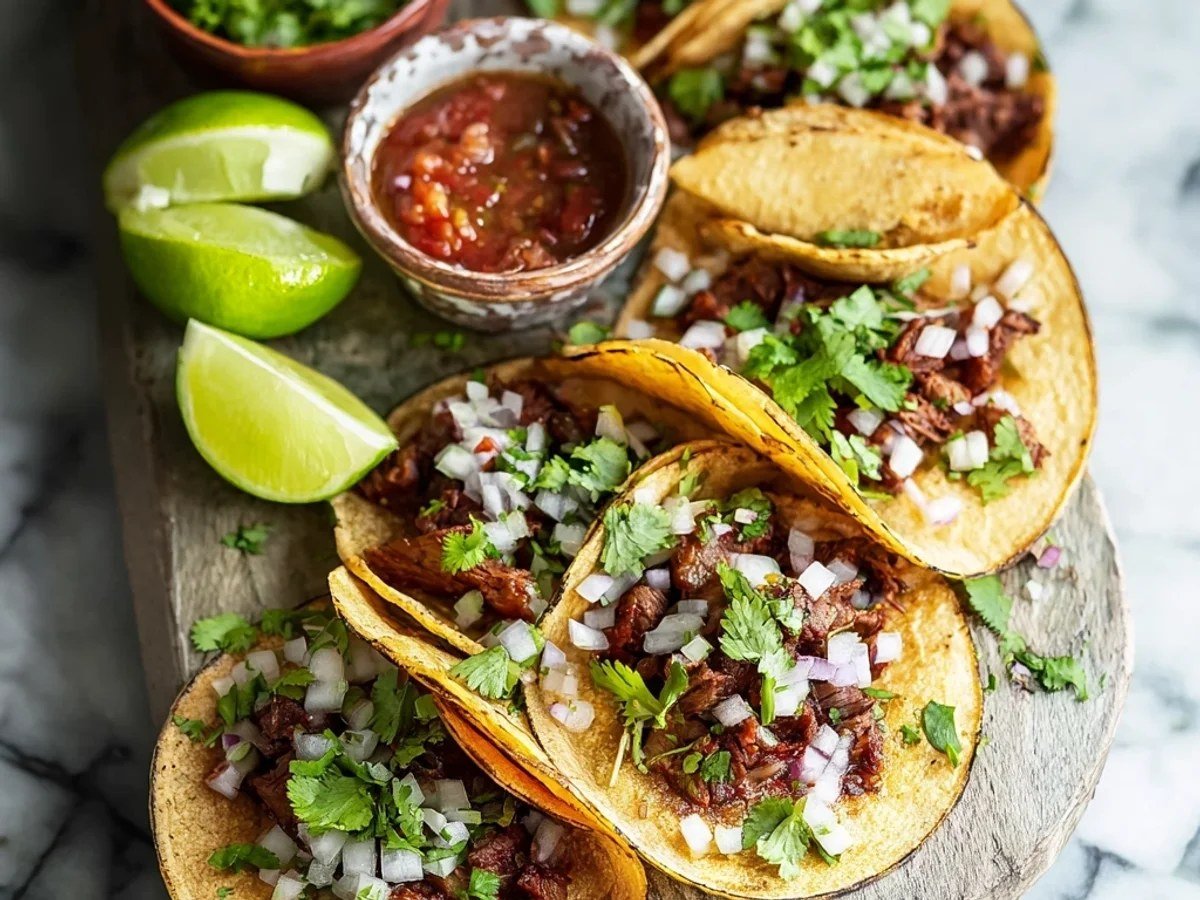
Most homemade tacos are… fine. Seasoned ground beef from a packet, hard shells from a box, shredded iceberg, a sad sprinkle of cheese. Edible, but nothing like the tacos at a great taqueria — the ones with warm corn tortillas, deeply seasoned meat, bright acidic toppings, and that perfect balance that makes you order “just one more.” Learning how to make restaurant-quality tacos at home isn’t about fancy equipment. It’s about getting five elements right, and most home cooks are getting three of them wrong.
A great taco is architecture: the tortilla is the foundation, the protein is the structure, and the toppings are the finishing — acid, crunch, freshness, heat. Nail all four layers and you’ll understand why taco people are so passionate.
How to Make Restaurant-Quality Tacos at Home: The Five Elements
1. The tortillas (this matters more than the filling)
I’m going to be blunt: cold tortillas straight from the bag are ruining your tacos. Warm them properly and everything changes. The method: heat a dry cast-iron skillet or comal over medium-high heat and warm each corn tortilla 30–60 seconds per side until pliable with a few charred spots. Then wrap the stack in a clean kitchen towel — the steam keeps them soft and warm. For flour tortillas, same method, slightly less time.
Corn vs. flour? For authentic taqueria style, corn — specifically white corn tortillas, warmed until pliable. Flour for Baja/burrito-style or when the filling is heavy. And here’s the taqueria secret: double up the corn tortillas. Two thin tortillas per taco prevent the heartbreak of a tortilla splitting mid-bite and spilling carnitas down your shirt.
If you want to go full obsessive, homemade corn tortillas (masa harina + water + salt, pressed and griddled) take 30 minutes and taste nothing like the bagged kind. Worth trying once.
2. The protein (season boldly, cook hot)
The meat should be the star, not an afterthought. Three taqueria classics:
- Carnitas: Pork shoulder slow-cooked until tender, then crisped in its own fat. Rich, juicy, with crispy edges. My pulled pork guide covers the slow-cooking technique — crisp the shredded meat in a hot skillet before serving.
- Carne asada: Flank or skirt steak marinated (lime, garlic, cumin, cilantro), seared screaming hot, rested, then chopped — not sliced — into bite-size pieces. Chopping is the taqueria way and it distributes the char better.
- Al pastor-style chicken or pork: Thin pieces marinated in achiote, pineapple juice, and chilies, cooked hot. The sweet-heat-acid combo is unbeatable.
Whatever protein you choose: season aggressively (tacos need bold seasoning — bland meat can’t hide), cook it hot for char and crust, and chop it small. Big chunks fall out; small pieces nestle into the tortilla.
3. The acid (the element everyone skips)
This is the difference between good tacos and great ones. Rich meat needs bright acid to cut through it:
- Lime wedges — non-negotiable, always on the side
- Pickled red onions — 30 minutes in lime juice + salt; shocking pink, tangy, incredible
- Salsa verde or roja — homemade takes 15 minutes and demolishes the jarred stuff
- A splash of vinegar in the meat’s finishing seasoning
4. The fresh toppings (contrast and crunch)
Diced white onion, chopped cilantro, shredded cabbage (stays crunchy way longer than lettuce), diced radish, cotija cheese (salty, crumbly, authentic). The rule: less is more. A taqueria taco has 2–3 toppings, not twelve. Let the protein shine.
5. The salsa (make it, don’t buy it)
A 15-minute homemade salsa beats any jar. Salsa roja: char tomatoes, onion, garlic, and dried chiles under the broiler, blend with salt and lime. Salsa verde: simmer tomatillos, blend with onion, garlic, jalapeño, cilantro. Make a double batch — it keeps a week and improves everything from eggs to guacamole-topped everything.
Assembly: The Order of Operations
Warm tortillas in the towel. Protein hot from the pan. Then: meat first, then onion/cilantro/cabbage, then salsa, then a squeeze of lime, then cotija. Serve immediately — tacos wait for no one. Set everything out family-style and let people build their own; it’s more fun and the tacos stay hot.
Taco Night Strategy
Don’t try to make everything from scratch on taco night or you’ll be cooking for three hours. My system: slow-cook the carnitas earlier in the day (or the day before — it reheats beautifully), quick-pickle the onions in the morning (5 minutes of work), make salsa while the meat rests, warm tortillas last. Active cooking time: about 30 minutes. The slow cooker does the heavy lifting while you live your life.
For sides: Mexican street corn (elote), cilantro-lime rice, refried beans, and that guacamole. Chips and salsa while people gather. A pitcher of margaritas or agua fresca. That’s a restaurant-quality taco night for a fraction of restaurant prices.
The Practical Takeaway
Restaurant-quality tacos at home = properly warmed (doubled) tortillas + boldly seasoned, hot-cooked, finely chopped protein + acid (lime, pickled onions, salsa) + minimal fresh toppings + homemade salsa. Five elements, and the tortilla warming alone fixes half of what’s wrong with most homemade tacos.
Try it this weekend. Warm the tortillas right, squeeze the lime, and tell me those aren’t the best tacos you’ve had outside a taqueria.
Don’t Sleep on Breakfast Tacos
The same five-element architecture applies gloriously to breakfast. The formula: warm flour tortillas + scrambled eggs (cooked soft — my diner-style scrambled egg method is perfect here) + crispy potatoes or chorizo + salsa + cilantro and onion. The Austin-style breakfast taco — eggs, potato, cheese in a flour tortilla — is proof that simplicity wins. Make the components ahead: scramble eggs to order (they take 3 minutes), but the potatoes, chorizo, and salsas can all be prepped in advance. Set up a build-your-own bar for weekend guests and watch it disappear. Breakfast tacos also solve the “what do I do with leftover taco fillings” problem — last night’s carnitas plus morning eggs is one of the great leftover transformations, and it takes five minutes.
Here’s my challenge to you: make tacos this way once, exactly as described — warmed doubled tortillas, bold protein, pickled onions, homemade salsa, lime. Then try going back to the packet-seasoning version. You won’t be able to. That’s the thing about learning the real technique: it ruins the shortcut forever, but in the best possible way. Your taco Tuesdays are about to get a serious upgrade.
Tacos have a deep regional history worth exploring — the Wikipedia overview of the taco traces how each style evolved, from al pastor’s Lebanese roots to Baja’s fish tacos.


