
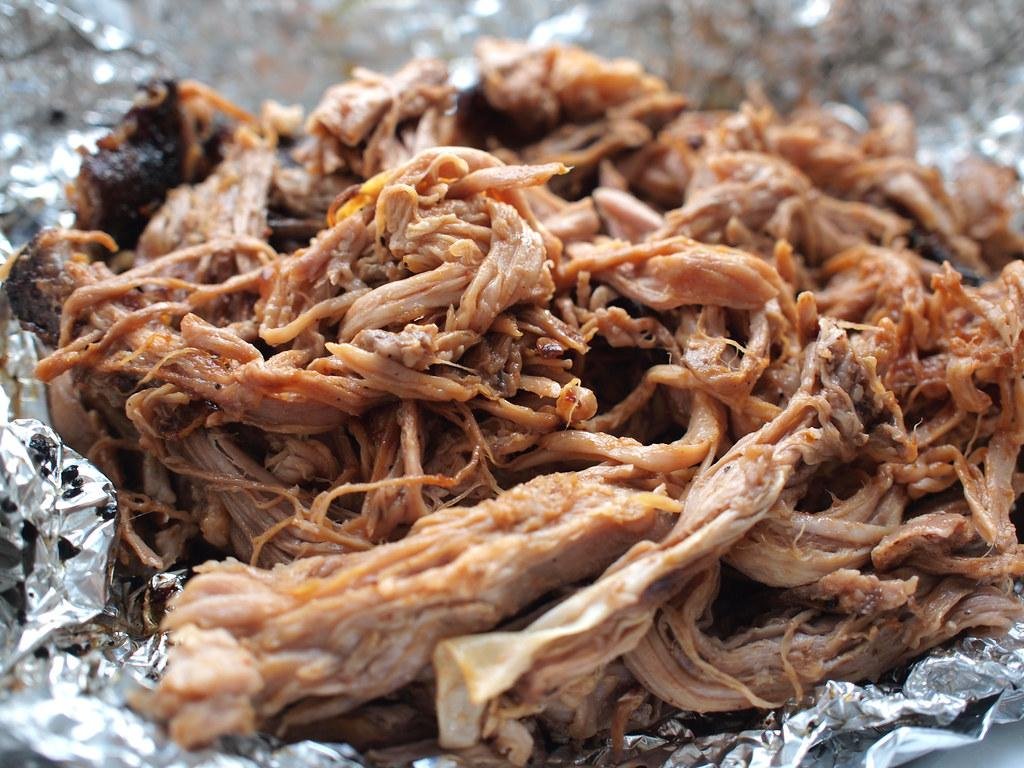
There’s pulled pork that’s transcendent — barky, smoky, shredding into juicy strands with a gentle tug — and then there’s pulled pork that’s dry, tough, and chewy no matter how long you cook it. The difference isn’t luck. The secret to tender pulled pork is actually a handful of specific, learnable techniques, and once you understand what’s happening inside that hunk of meat, you’ll nail it every time whether you’re using a smoker, oven, or slow cooker.
The core science: pork shoulder is full of tough connective tissue (collagen). Cook it low and slow, and that collagen melts into gelatin — which is what makes the meat feel juicy and tender rather than just… hot. Rush it with high heat and the collagen seizes up instead of melting. Time and temperature do the work; your job is to set up the conditions and not interfere.
What Is the Secret to Tender Pulled Pork? Start With the Right Cut
Buy a pork shoulder — specifically the Boston butt (the upper part of the shoulder), 4–8 pounds, bone-in if you can get it. The bone conducts heat, adds flavor, and gives you the ultimate doneness test: when the bone wiggles loose with almost no resistance, it’s done. Avoid loin or tenderloin — they’re too lean and will dry out no matter what you do. Fat is not the enemy here; it’s the insurance policy. A well-marbled butt with a good fat cap is exactly what you want.
The Method: Low, Slow, and Patient
Step 1: Season generously, ahead of time
A simple dry rub — kosher salt, black pepper, brown sugar, paprika, garlic powder, onion powder, a little cayenne — applied 12–24 hours before cooking. The salt penetrates deep (dry brining), seasoning the meat throughout rather than just the surface. Wrap it and refrigerate overnight. This single step makes a bigger difference than any fancy rub recipe.
Step 2: Cook at 225–275°F until probe-tender
Here’s where people go wrong: they cook to a target temperature and stop. Cook to feel, not just temp. Yes, you’re aiming for roughly 195–205°F internal — that’s the range where collagen has fully converted to gelatin. But the real test is the probe test: slide a thermometer probe or skewer into the thickest part. It should glide in with almost no resistance, like pushing into soft butter. If there’s resistance, it’s not ready, whatever the number says. Every piece of meat is different; trust the feel.
Expect roughly 1–1.5 hours per pound at 250°F, but treat that as a very rough estimate. A 6-pound butt might take 9 hours or 12. This is why you start early — pulled pork holds beautifully, so finishing two hours before dinner is a feature, not a problem.
Step 3: Handle the stall without panicking
Around 150–165°F internal, the temperature will stop climbing for hours. This is “the stall” — evaporative cooling as moisture leaves the meat’s surface. It’s normal physics, not a problem. You have three options: wait it out (purists), wrap in butcher paper or foil at the stall (the “Texas crutch” — speeds things up, slightly softens the bark), or bump the heat a little. Wrapping is the practical choice for most home cooks.
Step 4: Rest it — seriously, don’t skip this
When it’s probe-tender, wrap it (if not already wrapped) and rest it in a cooler or warm oven for at least 1 hour, ideally 2. The temperature equalizes, juices redistribute, and the texture transforms from “good” to “incredible.” I’ve seen rested vs. unrested pulled pork side by side and the difference is dramatic.
Step 5: Shred and season
Pull it apart with two forks or — my preference — bear claws or just gloved hands. Discard any big fat pockets (leave the rendered, melty bits). Then season the shredded meat: a sprinkle of salt, a splash of apple cider vinegar, maybe a drizzle of the collected juices. Shredded pork has enormous surface area and needs this final seasoning — unsalted pulled pork tastes flat no matter how well you cooked it.
Equipment Options: Smoker, Oven, or Slow Cooker
- Smoker: The gold standard for bark and smoke flavor. Oak, hickory, or fruit woods all work. But it’s a 10+ hour commitment.
- Oven: Honestly produces 90% of the result with 10% of the hassle. 275°F on a rack over a sheet pan, uncovered until the stall, then wrapped. No smoke flavor, but the texture is spot-on.
- Slow cooker: The beginner-friendly path — see my easy slow cooker recipes for beginners. You won’t get bark, but you’ll get incredibly tender meat with zero effort. Add a drop of liquid smoke if you miss the smokiness (a little goes a long way).
Serving It Right
Classic Carolina style: chopped or pulled pork on a soft bun with coleslaw and vinegar-based sauce. Kansas City style: thick, sweet tomato-based sauce. Or skip the bun entirely — pulled pork over crispy oven fries with pickled onions is elite. Leftovers (if you’re lucky enough to have them) become tacos, quesadillas, Cuban sandwiches, or the best baked beans of your life. Freeze portions flat in bags — my freezer guide covers the method — and you’ve got instant dinners for weeks.
If you’re buying the meat on a budget, check my guide to cheap cuts of meat for slow cooking — pork shoulder is consistently one of the best values in the entire meat case.
Troubleshooting
- Tough and dry: It wasn’t done. Counterintuitive, but undercooked pork shoulder is tough; it needs more time, not less. Push through to probe-tender.
- Mushy, pot-roast texture: Cooked too hot or in too much liquid. You want moist heat, not boiling.
- Bland: Under-seasoned at the shredding stage. Salt and vinegar at the end fix 90% of bland pork.
- No bark: Too much wrapping, too early, or too much moisture in the cooking environment. Leave it unwrapped longer next time.
The Practical Takeaway
The secret to tender pulled pork: a well-marbled Boston butt, salted the night before, cooked low (225–275°F) until probe-tender around 195–205°F, rested at least an hour, then shredded and seasoned with salt and vinegar. Cook to feel, not the clock.
It’s a long cook, but the active work is maybe 20 minutes. The smoker (or oven) does the rest. And when that bone slides out clean and the meat falls apart at a touch, you’ll understand why people get obsessed with this.
For the deepest dive into barbecue science — the stall, bark formation, and collagen conversion — AmazingRibs.com (Meathead Goldwyn’s site) is the enthusiast’s bible.


