
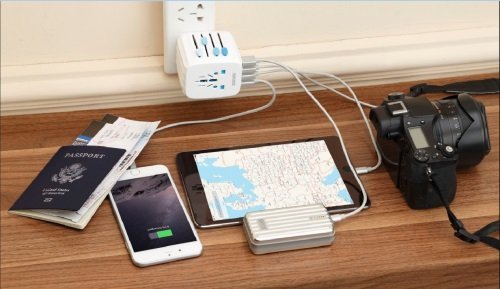
Phone, earbuds, watch, tablet, laptop — and one sad hotel outlet behind the bed. So what is the best way to charge multiple devices at once while traveling without packing five chargers?
So, what is the best way to charge multiple devices at once while traveling? I spent a good chunk of time researching this, comparing options, and reading what real users say. Here's the honest breakdown.
What You Actually Need to Know
One 65W–100W GaN charger with 2–3 ports (Anker, UGreen, and Belkin all make excellent ones for $30–$50) replaces your entire charger collection. GaN chargers are half the size of old bricks but charge a laptop and phone simultaneously. Pair it with a short 3-in-1 cable or two (USB-C to USB-C plus a Lightning/micro-USB tip) and a compact power strip for hotel rooms with one outlet. Total kit: under $60, fits in a jacket pocket.
That's the gist, but the details matter here — they decide whether you overpay, waste time, or get it right the first time.
You might also want to check out How do I pair wireless earbuds with multiple devices.
For the official word, check Anker's official charging guides, which lays out the details straight from the source.
What Is the Best Way to Charge Multiple Devices at Once While Traveling?
- A 65W GaN charger ($30–$40) powers a laptop plus a phone at full speed — one brick instead of three.
- Real talk: 100W models ($45–$55) add headroom for tablets and fast-charging everything simultaneously.
- A 3-foot USB-C cable plus a multi-tip adapter covers phone, earbuds, and watch with minimal bulk.
- Worth knowing: A tiny travel power strip ($15) turns one hotel outlet into four — the most underrated travel accessory there is.
- Pay attention here: International travelers: get a GaN charger with 100–240V input (most have it) plus one universal adapter.
Here’s How It Plays Out
I used to pack four chargers and a rat's nest of cables. Now: one Anker 65W GaN, two short cables, and a pocket power strip. My entire charging kit weighs less than my old laptop brick alone, and everything charges faster.
The Perfect Travel Charging Kit
Let’s talk about the DIY-versus-pro question, because it comes up constantly. The internet makes everything look easy — a ten-minute video, a $20 kit, and you’re supposedly set. Sometimes that’s genuinely true. But the videos never show you the three hours of troubleshooting, the stripped screw, or the part that arrives broken. My rule of thumb: if a failed DIY attempt would cost you more than the pro would have charged in the first place, just hire the pro. Your time has value, and so does your sanity.
That said, there’s real satisfaction in fixing something yourself, and plenty of tech tasks are genuinely beginner-friendly once you know which ones. The trick is matching the job to your actual skill level, not the skill level of the YouTuber who does it for a living. Start small, read the comments (that’s where the real warnings live), and have a plan B before you open anything up.
Here’s something the spec sheets won’t tell you: real-world performance and advertised performance are different animals. Battery life is measured in lab conditions, WiFi speeds assume you’re hugging the router, and “water resistant” comes with fine print that would make a lawyer blush. I take every manufacturer claim and mentally shave off 20–30%. If the product still looks good after that haircut, it’s probably genuinely good.
User reviews are your best friend here — but read them like a detective, not a tourist. Ignore the five-star raves and the one-star rants; the truth lives in the three-star reviews where people explain exactly what bugged them after a month of real use. Sort by “most recent” too, because firmware updates can fix or break things, and a review from two years ago might describe a product that barely exists anymore.
For more on this, see our guide to Is it safe to charge my phone overnight.
Small Things That Make a Big Difference
- A small thing that makes a big difference — label your cables with a wrap or color — hotel lost-and-found is full of anonymous black cables.
- Don't skip this: charge the power bank overnight and devices during the day to always have a buffer.
- Veterans of this stuff all say the same thing: keep one cable in your personal item, not checked luggage — dead phone at baggage claim is miserable.
- Do this before anything else: check airline rules: spare lithium batteries go in carry-on, never checked bags.
Mistakes Worth Avoiding
- This trips up beginners all the time: bringing a full-size laptop brick when a GaN charger does the same job at half the size.
- A lot of folks forgetting that some countries' outlets need adapters — check before you fly. — and honestly, it's an easy trap to fall into.
- Watch out for this: using the hotel's USB ports for sensitive devices; a personal charger is safer and faster. It's the kind of thing that seems fine until it isn't.
Quick Questions, Straight Answers
What's the biggest mistake beginners make?
Rushing. People either buy the first option they see or dive into a fix without reading the instructions twice. Slow down, compare at least three options, and read the fine print — especially around warranties, return windows, and what's actually included. Ten extra minutes of patience routinely saves hundreds of dollars.
How long does this usually take?
Honestly, it varies more than most guides admit. A straightforward case might take under an hour, while anything involving shipping, appointments, or waiting on parts can stretch to several days. My advice: ask for a realistic timeline up front, then add a buffer. If someone promises it'll be instant, get the details — 'instant' usually means 'the easy part is instant.'
Can I do this myself, or should I get help?
It depends on your comfort level and what's at stake. Low-risk tasks with good tutorials are great DIY candidates. But if messing up would cost you the device, your data, or your warranty, that's the moment to call in someone experienced. There's no shame in it — pros exist for a reason, and their mistakes are their problem, not yours.
Here’s My Honest Take
One GaN charger, two cables, one pocket power strip. That's the whole kit — lighter, faster, and cheaper than the charger pile you're currently packing.
You don't need to become an expert here — you just need enough to make a smart call and move on.
For more on this, see our guide to Why does my phone overheat when I charge it.
One more useful resource: the TSA's battery rules for travelers — worth bookmarking before you make any final decisions.


