
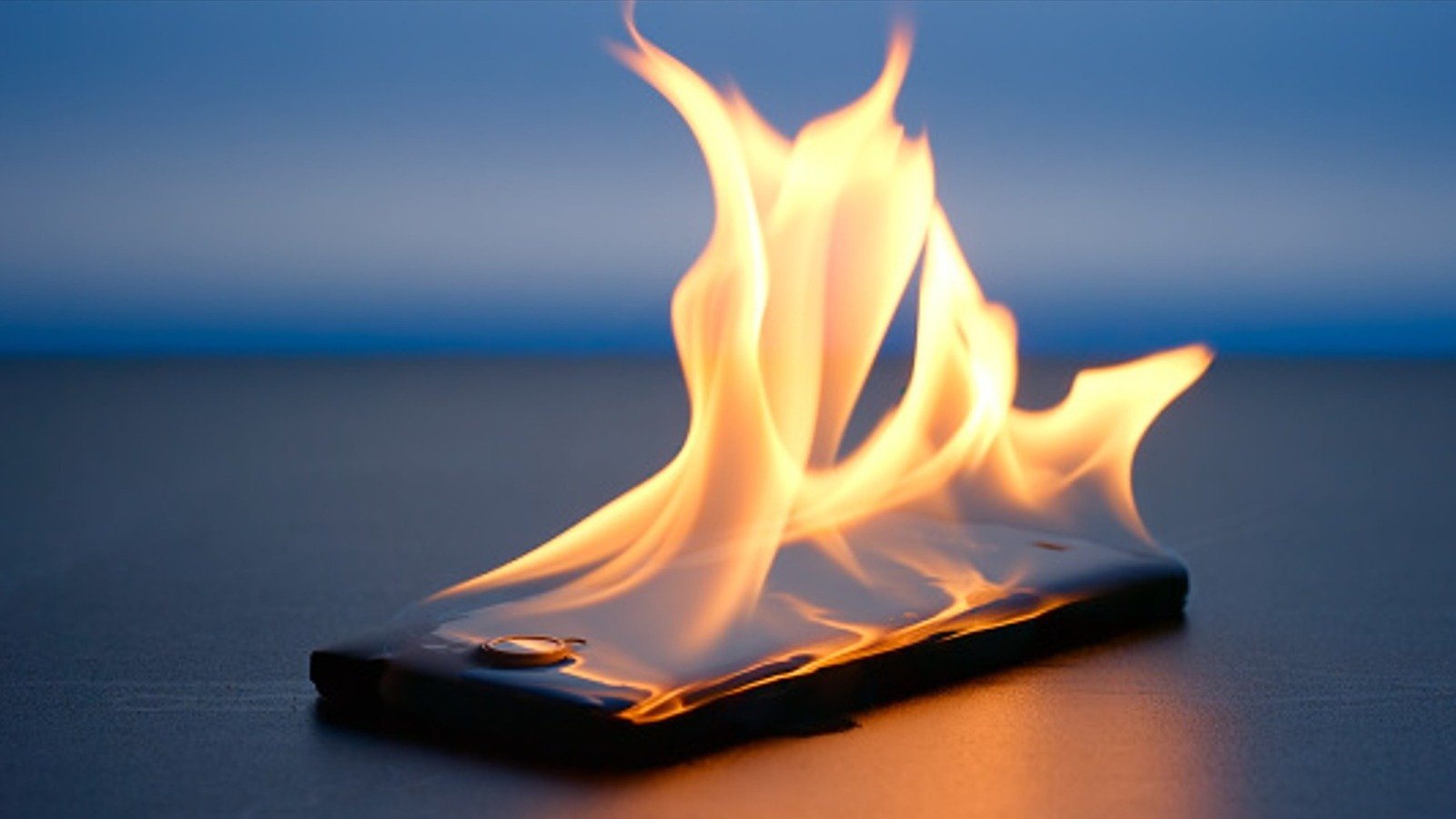
You unplug your phone and it's hot enough to notice through the case. So why does my phone overheat when I charge it — normal warmth, or a warning sign?
So, why does my phone overheat when I charge it? I've dug into this pretty thoroughly, talked to people who deal with it daily, and run the numbers myself. Here's what I found.
The Bottom Line Up Front
Mild warmth during charging — especially fast charging — is completely normal. Concerning heat usually comes from: using the phone heavily while charging (gaming + charging = furnace), a failing or uncertified charger pushing wrong voltage, a swollen/damaged battery, or a case trapping heat. Wireless charging runs hotter than wired by nature. Worry when the phone is too hot to hold comfortably, shuts itself down, or the battery looks swollen — those need professional attention.
But the headline number (or simple answer) only tells part of the story. The details below are where the real decisions get made.
If that piqued your interest, you’ll like Is it safe to charge my phone overnight too.
For the official word, check Apple's guidance on iPhone temperature, which lays out the details straight from the source.
Why Does My Phone Overheat When I Charge It? Causes Ranked by Likelihood
- Worth knowing: Fast charging generates heat by design — 25W+ charging will always feel warmer than slow overnight charging.
- The part nobody mentions: Gaming, video calls, or navigation while plugged in stacks processor heat on top of charging heat.
- Real talk: Cheap uncertified chargers and cables can deliver unstable power — a very common cause of excess heat.
- The part nobody mentions: Thick cases trap heat; removing the case while charging can drop temperatures noticeably.
- A swollen battery (screen lifting, case separating) is a genuine safety hazard — stop using it and get it serviced.
A Concrete Example
My phone was roasting every evening until I realized my 'fast charger' was a $6 gas-station special. Switched to the manufacturer's charger: same charging speed, dramatically less heat. The knockoff was the whole problem.
Charging Habits That Keep Things Cool
Let me save you from the most common tech-buying regret: buying for the person you wish you were instead of the person you actually are. The pro camera you’ll “learn photography” with, the smartwatch for the workouts you’ll “definitely start,” the high-end laptop for hobbies that never materialize — we’ve all been there. Buy for your real life, not your aspirational one. Your real life is where the thing has to earn its keep.
On the flip side, don’t cheap out on the things you touch every day. The device you stare at for six hours daily, the chair you sit in, the headphones on your commute — a little extra here pays you back in comfort every single day. Splurge where the hours go, save where they don’t. That’s the whole philosophy, and it’s never steered me wrong.
A quick word on security, because this is where people get burned quietly. Most tech headaches I hear about — hacked accounts, lost photos, weird charges — trace back to boring basics: reused passwords, skipped updates, no backup. It’s not exciting advice, but a password manager and two-factor authentication will protect you more than any antivirus subscription ever will. Set them up once and they just work in the background.
Backups deserve their own mention. Not “I’ll get around to it” backups — automatic ones. The 3-2-1 rule is the gold standard for a reason: three copies of anything important, on two different types of storage, with one copy offsite. Cloud plus an external drive covers most people. The day your phone takes a swim or your laptop dies, you’ll either be relieved or devastated, and the difference is entirely decided beforehand.
You might also want to check out What is the best way to charge multiple devices at once while traveling.
Practical Tips Worth Knowing
- Do this before anything else: charge on a hard, flat surface — beds and couches insulate heat.
- Don't skip this: avoid intensive apps while fast-charging; let the phone charge in peace.
- Do this before anything else: use the charger that came with the phone or a certified equivalent.
- Do this before anything else: if wireless charging runs hot, try a wired charger instead — it's more efficient.
Common Pitfalls to Dodge
- Watch out for this: ignoring a swollen battery because the phone 'still works'. It's the kind of thing that seems fine until it isn't.
- The classic blunder: charging under a pillow overnight where heat has nowhere to go. I've seen this one cost people time and money more times than I can count.
- This trips up beginners all the time: assuming all heat is dangerous and panic-buying a new phone over normal fast-charge warmth.
A Few More Questions Answered
How long does this usually take?
Honestly, it varies more than most guides admit. A straightforward case might take under an hour, while anything involving shipping, appointments, or waiting on parts can stretch to several days. My advice: ask for a realistic timeline up front, then add a buffer. If someone promises it'll be instant, get the details — 'instant' usually means 'the easy part is instant.'
What's the biggest mistake beginners make?
Rushing. People either buy the first option they see or dive into a fix without reading the instructions twice. Slow down, compare at least three options, and read the fine print — especially around warranties, return windows, and what's actually included. Ten extra minutes of patience routinely saves hundreds of dollars.
Can I do this myself, or should I get help?
It depends on your comfort level and what's at stake. Low-risk tasks with good tutorials are great DIY candidates. But if messing up would cost you the device, your data, or your warranty, that's the moment to call in someone experienced. There's no shame in it — pros exist for a reason, and their mistakes are their problem, not yours.
My Take
Warm is normal; hot is a clue. Check the charger, ditch the heavy apps while charging, and take a swollen battery seriously — everything else is just physics.
You don't need to become an expert here — you just need enough to make a smart call and move on.
You might also want to check out How do I recover deleted photos from my Android phone.
One more useful resource: Samsung's battery safety information — worth bookmarking before you make any final decisions.


