
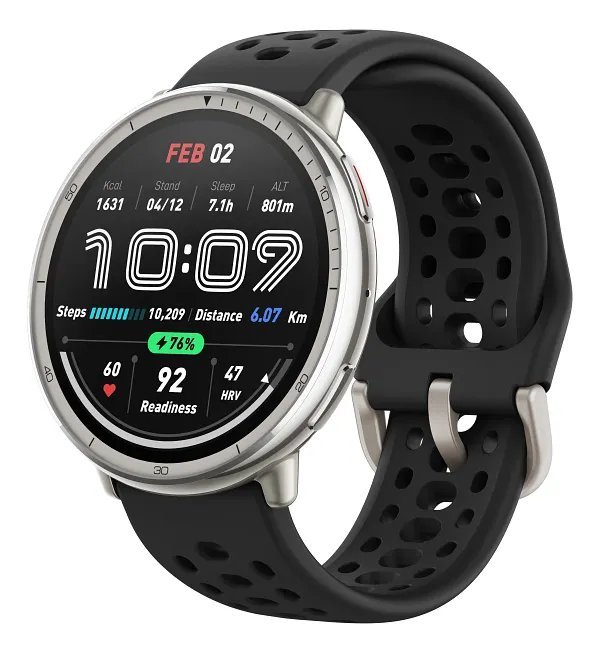
You don't want to answer calls from your wrist or pay with your watch. So what is the best smartwatch for someone who just wants fitness tracking? The good news: the best fitness trackers are cheaper than flagship smartwatches.
So, what is the best smartwatch for someone who just wants fitness tracking? I've dug into this pretty thoroughly, talked to people who deal with it daily, and run the numbers myself. Here's what I found.
The Bottom Line Up Front
The Fitbit Charge 6 ($160) is the best pure fitness tracker for most people — accurate heart rate, built-in GPS, sleep tracking, and a week of battery. Runners should look at the Garmin Forerunner 55 ($200), which offers training guidance Garmin is famous for. On a budget, the Xiaomi Smart Band 8 ($40–$50) covers steps, heart rate, and sleep shockingly well. Apple Watch is overkill if fitness is all you want — you're paying for features you'll never touch.
Simple enough on the surface. But once you look closer, there are a few things that can trip you up if you're not careful.
Worth a read next: Which streaming device is best for an older TV.
For the official word, check Fitbit's official product page, which lays out the details straight from the source.
What Is the Best Smartwatch for Someone Who Just Wants Fitness Tracking?
- What surprised me: Fitbit Charge 6 ($160): the sweet spot — accurate sensors, 7-day battery, and genuinely useful sleep insights.
- What surprised me: Garmin Forerunner 55 ($200): the runner's choice, with training plans and recovery advice built in.
- The part nobody mentions: Xiaomi Smart Band 8 ($40–$50): 80% of the tracking for 25% of the price — unbeatable value.
- Accuracy matters more than features: wrist heart-rate sensors vary wildly; Fitbit and Garmin lead, cheap knockoffs lag.
- Subscription check: Fitbit locks some insights behind Premium ($10/month) — Garmin includes everything free.
A Quick Real-World Example
I switched from a $400 smartwatch to a $160 Fitbit Charge because I realized I only ever used the fitness features. Battery went from daily charging to weekly, the sleep data got better, and I stopped getting Slack notifications on my wrist during dinner. Downgrade? Felt like an upgrade.
What Actually Matters in a Fitness Tracker
Let’s talk about the DIY-versus-pro question, because it comes up constantly. The internet makes everything look easy — a ten-minute video, a $20 kit, and you’re supposedly set. Sometimes that’s genuinely true. But the videos never show you the three hours of troubleshooting, the stripped screw, or the part that arrives broken. My rule of thumb: if a failed DIY attempt would cost you more than the pro would have charged in the first place, just hire the pro. Your time has value, and so does your sanity.
That said, there’s real satisfaction in fixing something yourself, and plenty of tech tasks are genuinely beginner-friendly once you know which ones. The trick is matching the job to your actual skill level, not the skill level of the YouTuber who does it for a living. Start small, read the comments (that’s where the real warnings live), and have a plan B before you open anything up.
Here’s something the spec sheets won’t tell you: real-world performance and advertised performance are different animals. Battery life is measured in lab conditions, WiFi speeds assume you’re hugging the router, and “water resistant” comes with fine print that would make a lawyer blush. I take every manufacturer claim and mentally shave off 20–30%. If the product still looks good after that haircut, it’s probably genuinely good.
User reviews are your best friend here — but read them like a detective, not a tourist. Ignore the five-star raves and the one-star rants; the truth lives in the three-star reviews where people explain exactly what bugged them after a month of real use. Sort by “most recent” too, because firmware updates can fix or break things, and a review from two years ago might describe a product that barely exists anymore.
If that piqued your interest, you’ll like What is the best free antivirus software for Windows too.
Smart Moves to Make
- This one's easy to overlook: prioritize heart-rate accuracy and GPS over app ecosystems — those drive 90% of the value.
- Don't skip this: try the band on: comfort determines whether you'll actually wear it to sleep.
- It's not glamorous, but it works: check water resistance if you swim; not all trackers handle pools.
- It's not glamorous, but it works: give any tracker two weeks — sleep and resting-heart-rate baselines need time to calibrate.
What Most People Get Wrong
- Watch out for this: buying a flagship smartwatch when a $150 tracker does everything you need. It's the kind of thing that seems fine until it isn't.
- The classic blunder: trusting calorie-burn numbers as gospel — they're estimates, often optimistic ones. I've seen this one cost people time and money more times than I can count.
- Here's one I see constantly: ignoring subscription costs that turn a $160 device into a $280/year habit. Don't let it happen to you.
Things People Also Ask
What's the biggest mistake beginners make?
Rushing. People either buy the first option they see or dive into a fix without reading the instructions twice. Slow down, compare at least three options, and read the fine print — especially around warranties, return windows, and what's actually included. Ten extra minutes of patience routinely saves hundreds of dollars.
How long does this usually take?
Honestly, it varies more than most guides admit. A straightforward case might take under an hour, while anything involving shipping, appointments, or waiting on parts can stretch to several days. My advice: ask for a realistic timeline up front, then add a buffer. If someone promises it'll be instant, get the details — 'instant' usually means 'the easy part is instant.'
How do I know I'm getting a fair price?
Get three quotes. It's the oldest advice in the book because it works. You'll quickly see the going rate, and outliers in either direction tell you something — suspiciously cheap often means corners cut, while the priciest option isn't automatically the best. Ask what each quote includes so you're comparing apples to apples.
Wrapping It Up
Fitbit Charge 6 for most people, Garmin for runners, Xiaomi for tight budgets. Buy for the tracking you'll actually use — your wrist and wallet will thank you.
You don't need to become an expert here — you just need enough to make a smart call and move on.
Related reading: What is the best cheap tablet for reading ebooks and watching movies.
One more useful resource: Garmin's fitness watches page — worth bookmarking before you make any final decisions.


