
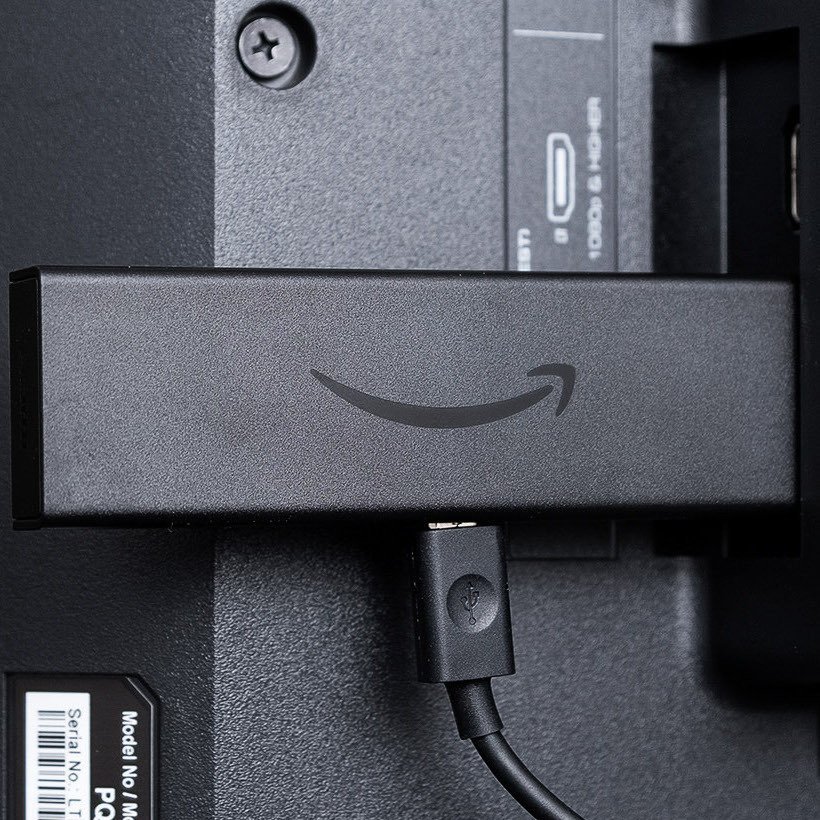
Your old TV works perfectly fine — it just can't run Netflix anymore. So which streaming device is best for an older TV? For $25–$50, you can make any HDMI-equipped TV smart again.
So, which streaming device is best for an older TV? I've dug into this pretty thoroughly, talked to people who deal with it daily, and run the numbers myself. Here's what I found.
The Bottom Line Up Front
The Amazon Fire TV Stick ($25–$40) is the best all-rounder for older TVs: cheap, fast enough, and dead simple. The Roku Express ($30) wins for simplicity — perfect for less tech-savvy family members. Chromecast with Google TV ($30–$50) is best if you live in Google's ecosystem. All three just need an HDMI port and WiFi; none care how old the TV is.
That's the short version. Now let's get into the parts that actually affect your wallet and your day.
Worth a read next: How do I connect my phone to my TV wirelessly.
For the official word, check Roku's official setup guide, which lays out the details straight from the source.
Which Streaming Device Is Best for an Older TV? 5 Picks Compared
- Pay attention here: Fire TV Stick: cheapest, huge app selection, Alexa voice remote — the default recommendation for most people.
- Roku Express: the simplest interface in the business; ideal for parents and grandparents.
- Here's the thing — Chromecast with Google TV: best for Android users and YouTube TV subscribers.
- Pay attention here: Apple TV 4K ($129+): overkill for an old TV unless you're deep in the Apple ecosystem.
- Check your TV's HDMI ports first — you need one free port and ideally a USB port (or outlet) to power the stick.
What This Looks Like in Practice
I plugged a $30 Roku into my in-laws' 2012 TV last Thanksgiving. Twenty minutes later they were streaming Netflix in HD on a TV they'd assumed was obsolete. They thought I'd performed magic.
Setting It Up Without the Headache
A quick word on security, because this is where people get burned quietly. Most tech headaches I hear about — hacked accounts, lost photos, weird charges — trace back to boring basics: reused passwords, skipped updates, no backup. It’s not exciting advice, but a password manager and two-factor authentication will protect you more than any antivirus subscription ever will. Set them up once and they just work in the background.
Backups deserve their own mention. Not “I’ll get around to it” backups — automatic ones. The 3-2-1 rule is the gold standard for a reason: three copies of anything important, on two different types of storage, with one copy offsite. Cloud plus an external drive covers most people. The day your phone takes a swim or your laptop dies, you’ll either be relieved or devastated, and the difference is entirely decided beforehand.
Let me save you from the most common tech-buying regret: buying for the person you wish you were instead of the person you actually are. The pro camera you’ll “learn photography” with, the smartwatch for the workouts you’ll “definitely start,” the high-end laptop for hobbies that never materialize — we’ve all been there. Buy for your real life, not your aspirational one. Your real life is where the thing has to earn its keep.
On the flip side, don’t cheap out on the things you touch every day. The device you stare at for six hours daily, the chair you sit in, the headphones on your commute — a little extra here pays you back in comfort every single day. Splurge where the hours go, save where they don’t. That’s the whole philosophy, and it’s never steered me wrong.
You might also want to check out Can I use a Bluetooth speaker with my smart TV.
Smart Moves to Make
- Veterans of this stuff all say the same thing: use the TV's USB port for power if available — one less cable to the wall.
- Here's one that saves people real money: connect to the 5GHz WiFi band during setup for smoother streaming.
- Here's one that saves people real money: sign into your streaming apps on a computer first — typing passwords with a TV remote is miserable.
- Don't skip this: if the TV only has one HDMI port, a $10 HDMI switch adds more.
Don’t Learn These the Hard Way
- The classic blunder: buying a 4K stick for a 720p TV and expecting a miracle — it'll work great, just not in 4K. I've seen this one cost people time and money more times than I can count.
- Watch out for this: forgetting the stick needs WiFi — no internet, no streaming, no matter the device. It's the kind of thing that seems fine until it isn't.
- Here's a painful one: paying for the premium model when the basic one does everything an old TV can display. Learn from other people's mistakes on this.
Before You Go: Quick FAQs
Is the cheapest option ever the right call?
Sometimes, but rarely for things you depend on daily. The cheapest option usually cuts something — quality, support, longevity, or all three. The sweet spot is almost always the mid-range: proven, reasonably priced, with real support behind it. Buy cheap twice and you've spent more than buying right once.
How do I know I'm getting a fair price?
Get three quotes. It's the oldest advice in the book because it works. You'll quickly see the going rate, and outliers in either direction tell you something — suspiciously cheap often means corners cut, while the priciest option isn't automatically the best. Ask what each quote includes so you're comparing apples to apples.
How long does this usually take?
Honestly, it varies more than most guides admit. A straightforward case might take under an hour, while anything involving shipping, appointments, or waiting on parts can stretch to several days. My advice: ask for a realistic timeline up front, then add a buffer. If someone promises it'll be instant, get the details — 'instant' usually means 'the easy part is instant.'
What I’d Do
Don't replace a working TV — a $30 stick gives it a full second life. Roku for simplicity, Fire TV for value, Chromecast for Google households.
Look, nobody wants to overthink this stuff. But twenty minutes of reading now beats an expensive mistake later.
For more on this, see our guide to What internet speed do I need for streaming 4K video.
One more useful resource: Amazon's Fire TV Stick page — worth bookmarking before you make any final decisions.


