
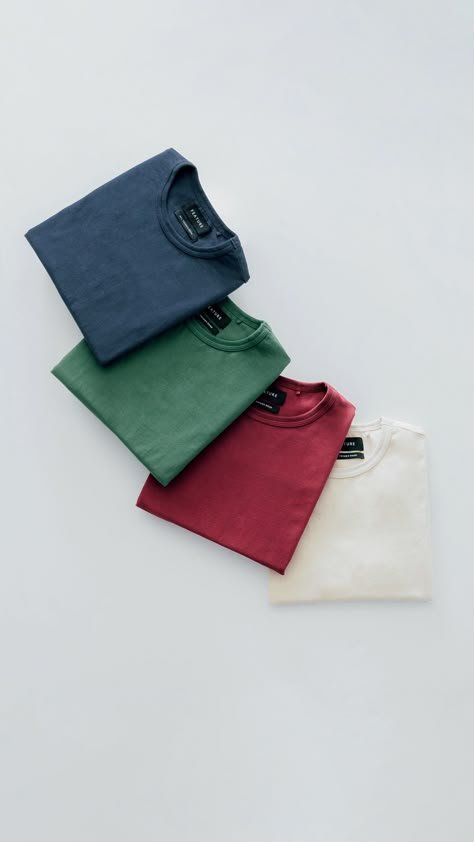
Basics are the foundation of every wardrobe — and the category where overpaying hurts most, because you need them in multiples. But “affordable” shouldn’t mean disposable: a $8 tee that twists after two washes is more expensive than a $20 one that lasts two years. What are the best affordable clothing brands for quality basics? The ones that balance price, fabric, fit consistency, and durability. Here’s the honest roundup.
What Makes a Good Basics Brand
Before the list, the criteria: consistent sizing (so reordering is safe), decent fabric weight (no see-through tees), reinforced construction (flat seams, sturdy stitching), fair durability (survives 30+ washes), and a price that allows buying multiples. A basics brand should also keep core styles in stock year after year — nothing’s worse than finding your perfect tee only to have it discontinued.
The List
- 1. Uniqlo — the gold standard for affordable basics. Supima cotton tees, excellent merino sweaters, consistent Japanese sizing (size up if between). Their basics are genuinely good, not just cheap.
- 2. H&M Premium / Conscious — skip the ultra-fast-fashion lines; the Premium range offers noticeably better fabric and construction at still-low prices.
- 3. Target (Goodfellow, A New Day, Universal Thread) — surprisingly solid basics, especially tees, underwear, and casual button-downs. Easy try-on access is a plus.
- 4. Old Navy — the sale-rack champion. At 40-50% off (which is most of the time), their tees, jeans, and activewear are unbeatable value.
- 5. Gap — the Oxford shirts and denim remain reliable; wait for their perpetual sales and stack with rewards.
- 6. Everlane (sale section) — full price stretches “affordable,” but sale basics offer transparent sourcing and better-than-average quality.
- 7. Amazon Essentials — wildly inconsistent across items, but the studio-tested basics (tees, polos, chinos) with thousands of reviews are safe bets. Check reviews, not listings.
- 8. Costco (Kirkland) — the Kirkland tee 6-packs and socks are cult favorites for a reason: shocking quality per dollar if the boxy fit works for you.
- 9. Primark — rock-bottom prices; quality varies, but for trend-adjacent basics you’ll replace yearly anyway, the math works.
- 10. Muji — minimalist basics with excellent cotton quality and no branding. The under-the-radar pick.
- 11. Land’s End / LL Bean (sale) — for classic American basics (Oxfords, sweaters, outerwear) at sale prices, durability is exceptional.
- 12. Thrift stores — not a brand, but the best “affordable basics” source for structured pieces: blazers, coats, and denim at 10% of retail. See our capsule wardrobe on a budget guide for thrift strategy.
How to Evaluate Any Basics Brand
Brand lists age; judgment doesn’t. When evaluating basics anywhere: check fabric weight (hold it to light — see-through is a no), inspect seams (flat, even stitching), check the fiber content (100% cotton or cotton blends beat thin polyesters for everyday basics), read the negative reviews (they reveal the real failure modes), and wash-test one before buying five. For men building a foundation, pair this list with our guide to dressing well on a budget; for professional settings, see affordable workwear that looks professional.
The Cost-Per-Wear Math
The real price of clothing isn’t the tag — it’s tag divided by wears. A $15 tee worn 50 times costs $0.30 per wear. A $60 “premium” tee worn 10 times because the fit was off costs $6.00 per wear. Fit and frequency beat price tags every time. Buy the tee you’ll actually reach for, in the size that actually fits, from the brand whose sizing you trust — that’s the affordable choice, whatever the receipt says.
What Are the Best Affordable Clothing Brands for Quality Basics? Your Questions Answered
Why do cheap t-shirts lose their shape so fast?
Three culprits: thin fabric (low GSM — grams per square meter — twists and stretches), poor construction (single-needle seams, no shoulder taping), and 100% conventional cotton without the longer staples that resist distortion. The fix isn’t necessarily expensive — it’s specific: look for mid-weight fabric (hold it up; you shouldn’t see through it), shoulder taping (a strip of fabric along the shoulder seam), and side-seamed construction. Good Housekeeping’s textile lab tests consistently find that these construction details predict durability better than price tags. A $15 tee with these features outlasts a $40 one without them.
Is it better to buy basics in bulk packs or individually?
Bulk packs (3-packs, 6-packs) win on price per unit, but only if the fit is right — a 6-pack of wrong-fitting tees is just six disappointments. The smart sequence: buy one individually, wash and wear it twice, then buy the multipack if it passes. This applies to underwear, socks, and undershirts especially. And check whether the multipack is actually the same product as the single — some brands make a thinner “value pack” version. Compare fabric weight and construction, not just the brand name.
How do affordable brands compare on sustainability?
Honestly? Most affordable basics brands have similar fast-fashion supply chains — the price requires it. The sustainability difference between a $12 tee and a $15 tee is negligible; the real sustainability lever is how long you keep it. A cheap tee worn 100 times has a smaller footprint than an “eco” tee worn 10 times. If sustainability matters to you, direct that energy toward buying less, wearing longer, washing cold, and thrifting — those dwarf any brand-level difference in the affordable tier. Our guide to making fast fashion more sustainable covers the full approach.
Should I size up or down in budget brands?
Neither by default — check the specific brand’s reputation. Budget brands are the most inconsistent in sizing because they manufacture across many factories with looser quality control. Uniqlo runs slim (many size up); Old Navy runs generous (many size down); Target varies by line. The reliable method: read the reviews filtered for fit comments, check the size chart against your measurements, and when between sizes, consider the fabric — 100% cotton shrinks (size up slightly), blends with elastane stretch (true to size usually works). When in doubt, order two sizes and return one.
The Bottom Line
Uniqlo, Target’s house brands, Old Navy on sale, Gap, and Costco’s Kirkland line lead the affordable-basics pack for quality per dollar — with thrift stores winning for structured pieces. Judge any brand by fabric weight, construction, and cost-per-wear rather than marketing. Good basics are boring to shop for and wonderful to own: buy them right, buy them once (in multiples), and get on with your life.


