
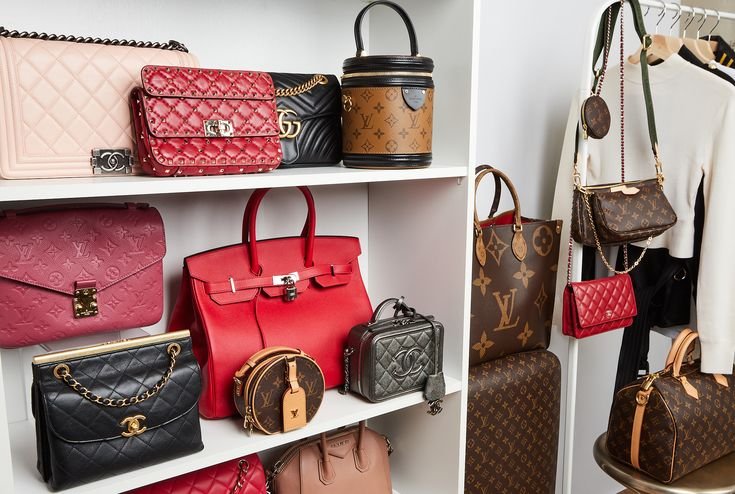
Few purchases inspire more conflicting advice than the designer handbag. “It’s an investment!” says the boutique. “It’s a depreciating status symbol!” says the finance blog. The truth, as usual, is more nuanced. Is it worth investing in a designer handbag? Sometimes — but the math only works under specific conditions, and most buyers don’t meet them. Let’s run the real numbers.
The Investment Argument (Examined Honestly)
The claim: certain bags appreciate. And it’s… partially true. A handful of bags — Hermès Birkin and Kelly, Chanel Classic Flap (pre-price-hike vintages), some Louis Vuitton staples — have historically held or increased value. But notice the pattern: it’s a tiny club of iconic bags from top houses, bought at retail (not resale markup), kept in excellent condition, in classic colors and sizes.
For the vast majority of designer bags, “investment” is marketing. Most depreciate 20-40% the moment you carry them, like cars leaving the lot. Contemporary designer bags (the $500-1,500 range) typically resell at 40-60% of retail. If investment return is your goal, an index fund beats a handbag every time — it’s not close.
When a Designer Bag IS Worth It
Forget “investment” — think cost per wear and satisfaction:
- You’ve wanted a specific classic for years. Not a trend — a bag you’ve loved for 3+ years. That sustained desire predicts long-term satisfaction better than any review.
- It fills a real gap. You carry a bag daily and your current ones are falling apart. A well-made bag used 300 days a year at $2,000 costs $6.67 per wear in year one, dropping every year after. That’s genuine value.
- You buy classic, not trendy. Structured leather, neutral color, minimal hardware, iconic-but-understated design. Trends date; classics compound.
- You can afford it without strain. The rule: if buying it affects your savings goals, debt payoff, or emergency fund, it’s not worth it. Luxury should never create financial stress — that’s the opposite of luxury.
- You’ll maintain it. Designer bags need care — conditioning, proper storage, hardware polishing. A neglected luxury bag looks worse than a well-kept affordable one.
When It’s NOT Worth It
- You’re buying for status or to impress others — the satisfaction fades in weeks
- It’s a trendy style that’ll date in two seasons
- You’re choosing between the bag and financial goals
- You’d be afraid to actually use it (a bag you’re scared to carry has infinite cost per wear)
- You’re buying at full retail what you could get pre-loved at 40% off
The Smart Middle Ground
Here’s what I’d actually recommend for most people:
- Pre-loved luxury. Reputable resellers (Fashionphile, The RealReal, Vestiaire Collective) offer authenticated bags at 40-70% of retail. Someone else took the depreciation hit. This is the single smartest way to own designer.
- “Affordable luxury” brands. Coach, Polène, Strathberry, Demellier — $300-600 bags with excellent leather and construction. The quality gap to big luxury houses is smaller than the price gap suggests.
- Quiet quality, no logo. A beautifully made unbranded leather bag often looks more expensive than a logo-covered one — and our guide to accessories that make outfits look expensive explains why subtlety wins.
- Rent first. Services that rent designer bags let you test-drive the lifestyle. Many renters discover the novelty fades fast — valuable data before spending thousands.
Whatever you choose, size matters enormously for daily use — read how to pick the right handbag size before committing. The wrong size ruins even a perfect bag.
Is It Worth Investing in a Designer Handbag? Your Questions Answered
Which designer bags hold their value best?
The resale hierarchy is well-established: Hermès Birkin and Kelly at the top (often appreciating above retail), followed by Chanel Classic Flap and Boy bags, then Louis Vuitton staples (Speedy, Neverfull in classic canvas), with Goyard holding well due to limited availability. The pattern: iconic designs, top-tier houses, classic colors and sizes, excellent condition. Everything else depreciates — contemporary designer typically resells at 40-60% of retail. Note that “investment” performance requires buying at retail (not resale markup), maintaining meticulously, and often waiting years. It’s a collectible market, not a savings account.
How can I tell if a designer bag is authentic?
The reliable route: buy from the boutique or authorized retailer (full price, zero doubt), or use reputable resellers with in-house authentication (Fashionphile, The RealReal, Vestiaire Collective). For independent purchases, professional authentication services exist — but know that super-fakes have gotten frighteningly good, fooling even experienced eyes on hardware and stitching. Red flags: prices far below market, sellers who won’t provide detailed photos of date codes/stamps/hardware, and “outlet” or “wholesale” designer claims (luxury houses don’t do outlets the way malls suggest). When the deal seems too good, it is.
Are pre-loved designer bags worth it?
Often the smartest way to own luxury. You skip the initial 20-40% depreciation, the bag’s quality is proven (it survived someone else’s use), and vintage pieces sometimes have superior craftsmanship to current production. The tradeoffs: limited selection (you get what’s available, not what you custom-order), potential wear (check condition grading carefully — “excellent” varies by seller), and no boutique experience. For classic styles in neutral colors, pre-loved is almost always the value optimum. For trendy pieces, be cautious — you’re buying someone else’s passing fancy at a smaller discount.
What bag should I buy if I can only have one expensive one?
A medium-sized, structured leather bag in black or tan from a quality maker — the design that works with 90% of outfits for a decade. Specific icons (Lady Dior, Chanel Flap, Hermès Evelyne) if the budget reaches; excellent “quiet luxury” options (Polène, Strathberry, Demellier) if it doesn’t. The criteria: neutral color, minimal hardware, structured shape, size that fits your daily essentials, and a design you’ve loved for years (not months). One perfect bag worn daily beats three occasion bags worn rarely — cost-per-wear is the true luxury metric. The handbag’s history shows the classics earned their status through decades of daily use.
The Bottom Line
A designer handbag is “worth it” as a long-term, cost-per-wear purchase of a classic you genuinely love and can comfortably afford — not as a financial investment (it almost certainly isn’t one). For most buyers, pre-loved luxury or high-quality affordable brands deliver 90% of the satisfaction at a fraction of the price. Buy the bag, not the dream the marketing sold you.


