
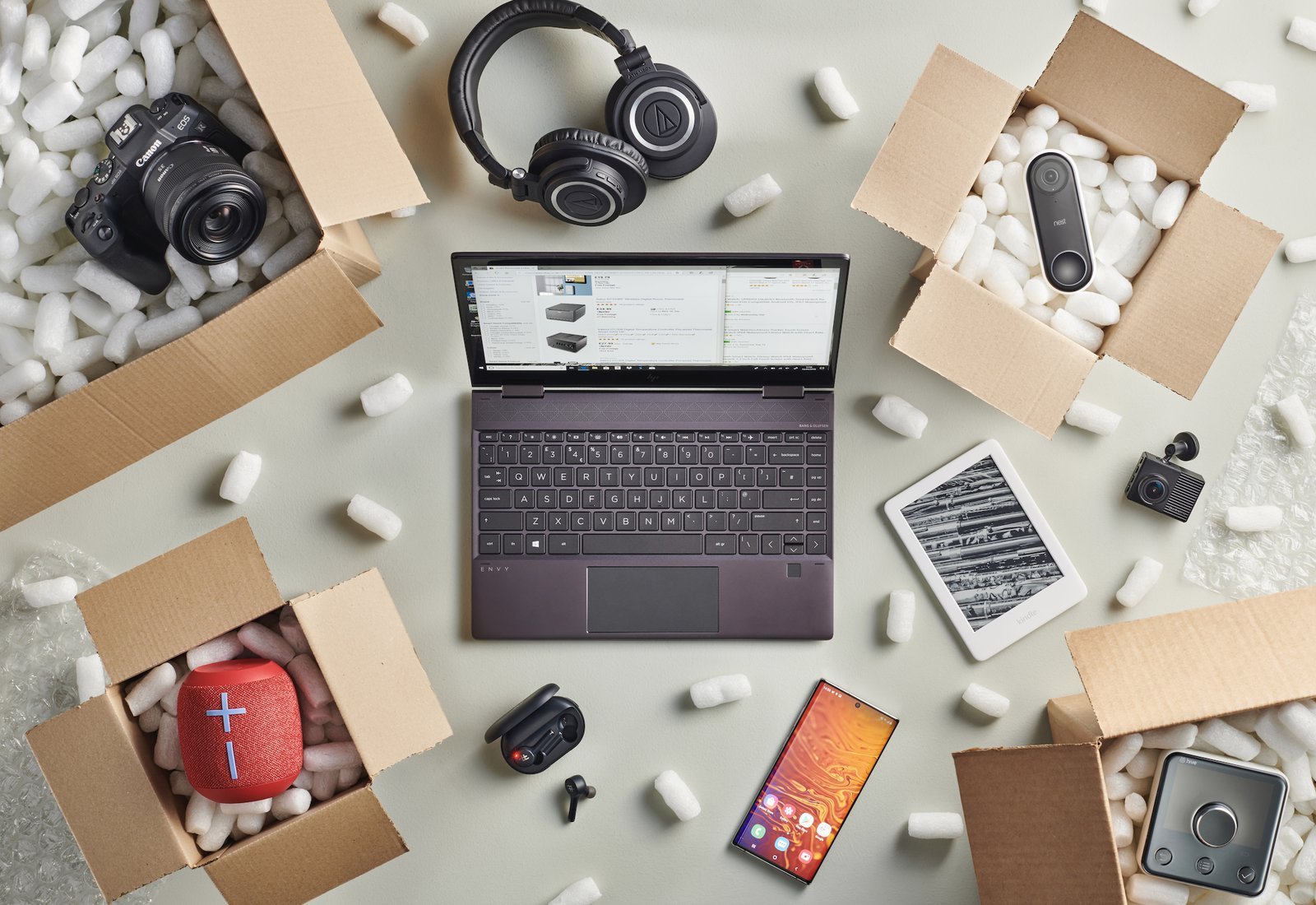
The price is 30% lower, but the seller name looks like keyboard mash. So is it safe to buy electronics from third-party sellers online, or are you asking for a counterfeit?
So, is it safe to buy electronics from third-party sellers online? After looking at the options, the prices, and what people actually experience, here's my straightforward take.
Here’s the Deal
It's safe if you're careful — millions buy from marketplace sellers daily without issues. The rules: check seller ratings (95%+ positive with substantial history), read recent reviews mentioning the actual product, verify the listing says 'new' not 'refurbished' if that's what you're paying for, and always pay through the platform (never wire transfers). Counterfeit risk is highest for cables, chargers, memory cards, and popular headphones — buy those from authorized sellers only. If the price is dramatically below everywhere else, walk away.
That's the gist, but the details matter here — they decide whether you overpay, waste time, or get it right the first time.
Worth a read next: What should I look for when buying a used phone online.
For the official word, check the FTC's guide to avoiding online shopping scams, which lays out the details straight from the source.
Is It Safe to Buy Electronics From Third-Party Sellers Online? Safety Rules
- The part nobody mentions: Seller history matters more than price: 95%+ positive feedback across hundreds of sales is the baseline.
- The part nobody mentions: Read the 1–3 star reviews — they reveal counterfeit, wrong-item, and no-warranty patterns.
- What surprised me: Pay only through the platform's checkout; anyone asking for off-platform payment is running a scam.
- The part nobody mentions: Counterfeit hotspots: chargers, cables, SD cards, AirPods-style earbuds — fakes here can be dangerous, not just disappointing.
- Check warranty terms: many manufacturers won't honor warranties on gray-market or unauthorized-seller purchases.
Here’s How It Plays Out
I saved $80 on a camera lens from a third-party seller with 4,000+ positive reviews — genuine product, full warranty, zero issues. The same week, a coworker bought 'AirPods Pro' for $60 from a two-week-old seller account. They were convincing fakes with 40-minute battery life.
Red Flags That Mean 'Walk Away'
A quick word on security, because this is where people get burned quietly. Most tech headaches I hear about — hacked accounts, lost photos, weird charges — trace back to boring basics: reused passwords, skipped updates, no backup. It’s not exciting advice, but a password manager and two-factor authentication will protect you more than any antivirus subscription ever will. Set them up once and they just work in the background.
Backups deserve their own mention. Not “I’ll get around to it” backups — automatic ones. The 3-2-1 rule is the gold standard for a reason: three copies of anything important, on two different types of storage, with one copy offsite. Cloud plus an external drive covers most people. The day your phone takes a swim or your laptop dies, you’ll either be relieved or devastated, and the difference is entirely decided beforehand.
Timing matters more than most people realize. Tech prices follow rhythms — new models drop in predictable seasons, and the previous generation gets discounted right after. If you can wait six to eight weeks, you can often get last season’s flagship for the price of this season’s mid-range option, which is almost always the better deal. Refurbished and open-box items follow a similar pattern, flooding the market right after big launches.
The other timing trap is buying right before you actually need something. Gadgets sitting in a drawer lose value and warranty coverage simultaneously. Buy when you’re ready to use it, not when the deal looks shiny. And if a salesperson is pushing hard, that’s information too — it usually means the margin is good for them, not the value for you. Sleep on any tech purchase over a couple hundred bucks. You’ll thank yourself.
For more on this, see our guide to Is it safe to charge my phone overnight.
Advice That Saves You Headaches
- A small thing that makes a big difference — compare the price across three reputable retailers — real deals are 10–20% off, not 60%.
- Do this before anything else: verify the seller's return policy before buying; no returns equals no purchase.
- Don't skip this: for expensive items, unbox on video — it settles any 'it arrived damaged' dispute instantly.
- Don't skip this: register the product with the manufacturer immediately to confirm it's genuine.
Don’t Learn These the Hard Way
- This trips up beginners all the time: trusting a too-good-to-be-true price from a brand-new seller account.
- A lot of folks paying via gift cards, wire transfer, or other irreversible methods. — and honestly, it's an easy trap to fall into.
- Watch out for this: assuming 'fulfilled by' a big platform guarantees authenticity — commingled inventory has risks. It's the kind of thing that seems fine until it isn't.
Quick Questions, Straight Answers
How do I know I'm getting a fair price?
Get three quotes. It's the oldest advice in the book because it works. You'll quickly see the going rate, and outliers in either direction tell you something — suspiciously cheap often means corners cut, while the priciest option isn't automatically the best. Ask what each quote includes so you're comparing apples to apples.
Can I do this myself, or should I get help?
It depends on your comfort level and what's at stake. Low-risk tasks with good tutorials are great DIY candidates. But if messing up would cost you the device, your data, or your warranty, that's the moment to call in someone experienced. There's no shame in it — pros exist for a reason, and their mistakes are their problem, not yours.
Is the cheapest option ever the right call?
Sometimes, but rarely for things you depend on daily. The cheapest option usually cuts something — quality, support, longevity, or all three. The sweet spot is almost always the mid-range: proven, reasonably priced, with real support behind it. Buy cheap twice and you've spent more than buying right once.
The Bottom Line
Established sellers with strong track records are genuinely safe and often cheaper. New sellers with impossible prices are not. The five-minute background check is the whole game.
Look, nobody wants to overthink this stuff. But twenty minutes of reading now beats an expensive mistake later.
Related reading: How can I stop spam calls on my iPhone.
One more useful resource: the FCC's consumer protection resources — worth bookmarking before you make any final decisions.


