
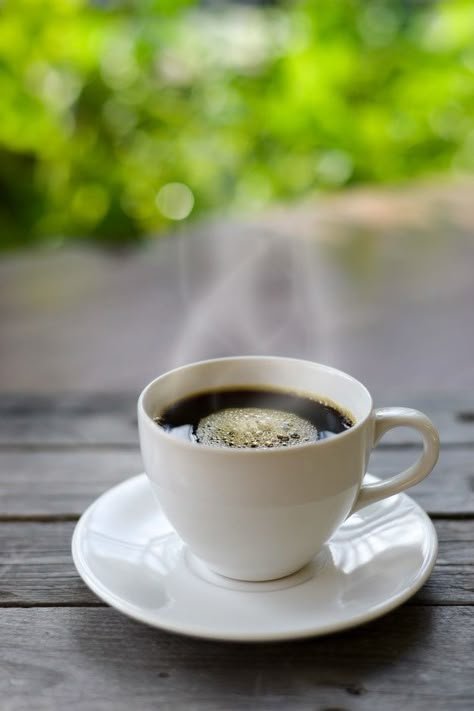
Coffee is the world’s most debated beverage — miracle elixir one week, health hazard the next. So is coffee bad for your health? After decades of research involving millions of people, science has a surprisingly clear verdict: for most people, moderate coffee drinking is either neutral or actively beneficial. But “most people” and “moderate” are doing heavy lifting. Let’s unpack it.
Is Coffee Bad for Your Health? The Good News
Large cohort studies consistently associate moderate coffee consumption (3-4 cups daily) with: lower risk of type 2 diabetes, reduced Parkinson’s and Alzheimer’s risk, lower rates of liver disease, and — strikingly — lower all-cause mortality. Coffee is also the #1 antioxidant source in many Western diets, which surprises people who think of it as just a stimulant.
The caffeine itself improves alertness, reaction time, and — relevant for natural energy seekers — is the most evidence-backed legal performance enhancer for both mental and physical tasks. The Harvard Nutrition Source summarizes the coffee literature as “reassuring” for most drinkers — unusually warm language from cautious epidemiologists.
The Real Risks (They Exist)
- Sleep disruption: Caffeine’s half-life is 5-6 hours — your 4pm coffee is half-active at 10pm. If you struggle with falling asleep, the afternoon cup is suspect #1. Cutoff: no caffeine after noon-ish (individual variation applies).
- Anxiety and jitters: Caffeine triggers adrenaline. Anxiety-prone people often feel markedly better cutting back — dose matters, and sensitivity varies genetically.
- Blood pressure: Temporary spikes in sensitive individuals; generally fine for most, but uncontrolled hypertension deserves a doctor’s input.
- Pregnancy: Most guidelines cap at ~200mg daily (one 12oz coffee). Non-negotiable — follow your OB’s guidance.
- Dependence: Daily drinkers get withdrawal headaches without it. That’s dependence, not addiction in the clinical sense — but it’s real, and worth knowing.
- Stomach issues: Coffee stimulates acid production; GERD sufferers often need to cut back regardless of the other benefits.
It’s Not the Coffee, It’s the Delivery System
Black coffee is ~2 calories. The 600-calorie caramel monstrosity is a dessert wearing a coffee costume. Sugar, syrups, and whipped cream transform a healthy habit into a blood-sugar bomb — the coffee isn’t the problem, the candy bar dissolved in it is. Similarly, “coffee” as a vehicle for chronic sleep deprivation (using it to override constant tiredness instead of addressing the cause) is misuse, not use.
Coffee Alternatives, Honestly Ranked
Cutting back or just curious? Here’s how the alternatives actually compare.
1. Tea (green/black): The best all-around swap — 30-70mg caffeine (vs. ~95 in coffee), L-theanine smooths the stimulation (calm alertness without jitters), plus its own antioxidants. [[i:165|Green tea’s benefits]] are well documented. If you just want less caffeine with similar ritual, start here.
2. Matcha: ~70mg caffeine with high L-theanine — the “calm energy” reputation is real. More expensive, more ritual, genuinely different feel from coffee. Worth trying if coffee makes you anxious.
3. Yerba mate: ~80mg caffeine, earthy flavor, traditional South American staple. Similar kick to coffee with a different character. Acquired taste; devoted fans.
4. Chicory root “coffee”: Zero caffeine, surprisingly coffee-like roasted flavor. The best option for the ritual without the drug — morning routine intact, sleep unaffected.
5. Golden milk (turmeric latte): Zero caffeine, anti-inflammatory reputation, comforting. More of an evening wind-down than a morning starter — but lovely as one.
6. Water + light + movement: The unsexy truth — much “need coffee” is actually dehydration + grogginess that a glass of water, daylight, and a 5-minute walk fix. Try it before the cup one morning; you might be surprised how much was never about caffeine.
The switching strategy: Don’t quit coffee cold turkey unless you enjoy headaches — taper over 1-2 weeks, mixing regular with decaf or alternative. And be honest about what you’re solving: if it’s sleep, the afternoon cup is the target, not the morning ritual. If it’s anxiety, total intake matters. Match the fix to the problem, keep the parts you love, and remember — the goal was never anti-coffee. It’s pro-you-feeling-good.
Coffee FAQs
How late is too late for coffee?
For most people: noon to 1pm, given caffeine’s 5-6 hour half-life. Sensitive sleepers may need a 10am cutoff; fast metabolizers might tolerate 2pm. The personal test: move your cutoff earlier for two weeks and see if sleep improves. Your sleep data beats any general rule.
Is decaf actually caffeine-free?
No — decaf typically contains 2-7mg per cup vs. ~95mg regular. Negligible for most purposes, but the exquisitely sensitive may notice. Swiss Water process decafs are chemical-free if that matters to you. For evening coffee lovers, it’s a genuine solution, not a sad compromise.
Does coffee stunt growth / cause dehydration / [myth]?
No, no, and no — the greatest-hits of coffee myths are all busted. Coffee doesn’t stunt growth (no mechanism, no evidence), doesn’t net-dehydrate regular drinkers, and isn’t the health villain of yesteryear’s headlines. The modern evidence is reassuring; the myths persist through sheer repetition. Drink your coffee.
How Much Is Right for You?
Up to 400mg caffeine daily (~4 cups brewed) is the generally cited safe upper limit for healthy adults. But personalize: if you sleep well, feel calm, and enjoy it — your intake is fine. If you’re anxious, wired at midnight, or getting afternoon crashes, experiment with less. Try two weeks at half your usual intake and note the difference; the data that matters is yours.
And the decaf question: decaf retains most of coffee’s beneficial compounds minus (most of) the caffeine — a genuine option, not a sad compromise, for the caffeine-sensitive. The bottom line: coffee isn’t bad for you. For most people it’s good for you. The exceptions are real but specific — know which category you’re in, watch the sugar, respect the clock, and enjoy your cup without the guilt the headlines keep trying to sell you.
The Ritual Matters Too
Beyond chemistry, coffee’s benefits include something science is only beginning to measure: ritual. The morning cup marks a transition, creates a pause, and — shared — builds connection. The world’s longest-lived communities all have their version of the daily beverage ritual. So while the compounds in coffee do real work, don’t discount the ceremony: the warmth, the aroma, the five quiet minutes. Health isn’t just molecules; it’s also meaning. Your morning cup provides both. Savor it — that’s not indulgence, it’s part of the benefit.


