
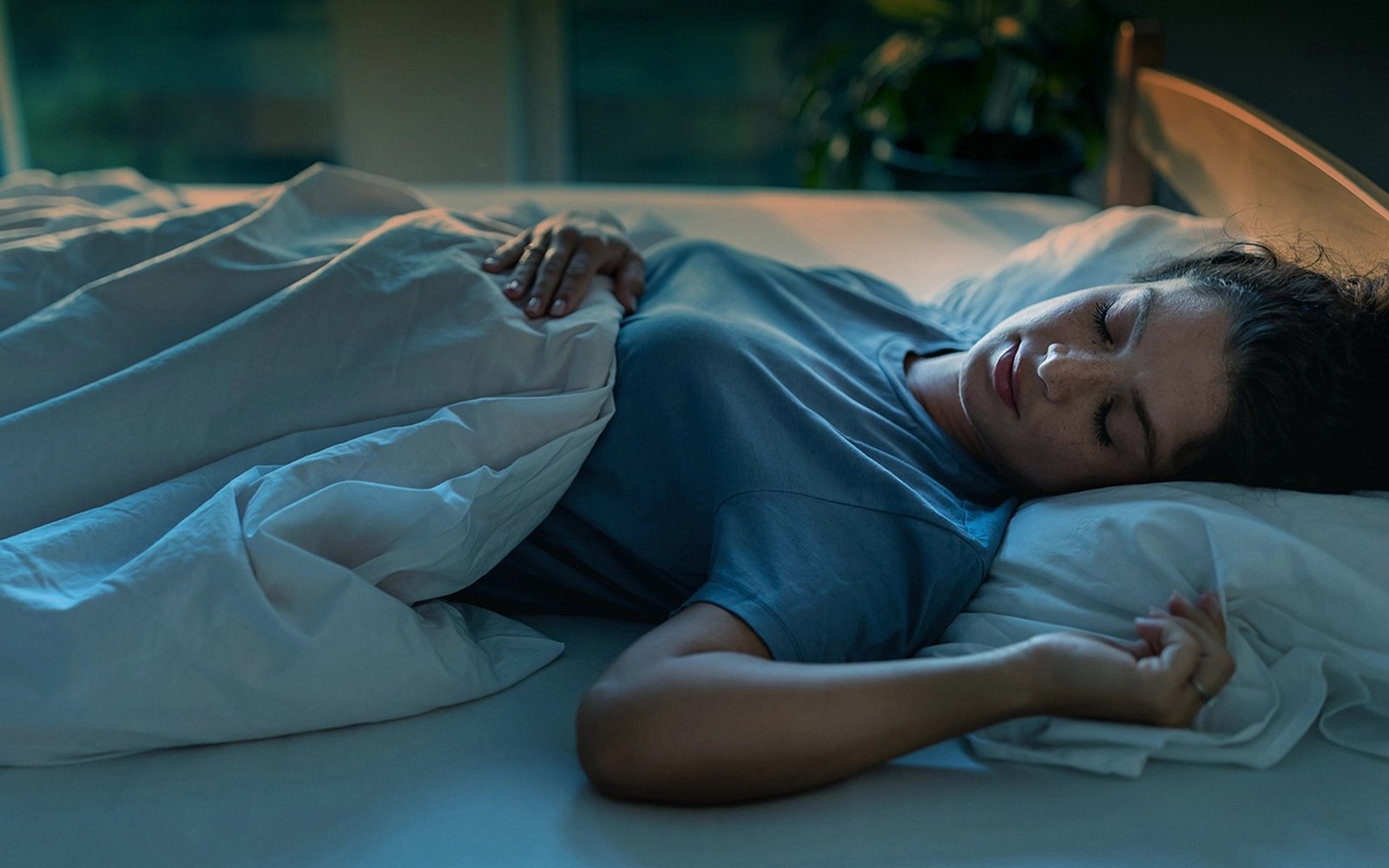
Lying awake at 2am doing math on how little sleep you’ll get is a special kind of misery. If you’re wondering how to fall asleep faster at night, the good news is that sleep onset is one of the most studied problems in health — and the techniques that work are well established. Not “drink chamomile and hope.” Real, evidence-backed methods.
How Can I Fall Asleep Faster at Night? Techniques for Tonight
The military sleep method: Developed for fighter pilots who needed to sleep anywhere. Relax your face completely (jaw, tongue, around eyes), drop your shoulders, relax arms and legs, clear your mind for 10 seconds by picturing a calm scene. Practitioners report falling asleep within 2 minutes after ~6 weeks of practice. It sounds too simple; the evidence says otherwise.
4-7-8 breathing: Inhale 4 seconds, hold 7, exhale 8. The extended exhale activates your parasympathetic nervous system — the physiological opposite of the wired state keeping you up. Four cycles is usually enough to feel the shift.
The cognitive shuffle: Pick a random letter, then visualize objects starting with it (apple, anchor, airplane…). This occupies the verbal mind just enough to block anxious rumination without being stimulating. Boring by design.
Paradoxical intention: Try to stay awake with eyes open in a dark room. Removing the performance anxiety of “trying to sleep” often lets sleep arrive on its own. Sleep researchers love this one for good reason.
This Week: Fix Your Sleep Environment
- Cool it down: 65-68°F (18-20°C) is the research-backed sweet spot. Your core temperature must drop to initiate sleep; a hot room fights it.
- Darkness matters more than you think: Even dim light suppresses melatonin. Blackout curtains or a sleep mask — the mask is the cheapest sleep upgrade that exists.
- Quiet or consistent noise: Silence is ideal; if that’s impossible, consistent white/brown noise beats intermittent sounds.
- The bed is for sleep: Stop working and scrolling in bed. Your brain forms associations — bed should mean sleep, not spreadsheets. (See screen time’s effect on sleep for the full story.)
- Comfort audit: If your pillow or mattress is over 7-8 years old, it’s working against you. This isn’t marketing; materials degrade.
The Sleep Foundation maintains excellent evidence-based guides on all of these if you want to go deeper.
The Daytime Habits That Control Your Nights
Sleep starts in the morning. Get daylight within an hour of waking — it sets your circadian clock more powerfully than anything else. Exercise regularly (but not intensely within 3 hours of bed — see the best time to exercise). Cut caffeine by early afternoon — its half-life is 5-6 hours, so your 4pm coffee is still half-active at 10pm. Limit alcohol: it sedates you into unconsciousness but shatters sleep quality — you fall asleep fast and sleep badly.
The wind-down routine is the highest-leverage change: 30-60 minutes before bed, dim lights, no work email, something genuinely relaxing. Same time nightly, even weekends — your circadian rhythm doesn’t know it’s Saturday.
The 3am Wake-Up: What to Do When Sleep Breaks
Falling asleep is one problem; staying asleep is another. If you regularly wake at 3am with a racing mind, here’s the protocol.
First 15 minutes: Don’t fight it. Lying there forcing sleep creates the anxiety that prevents it. Instead: don’t check the time (clock-watching spikes cortisol), don’t reach for the phone (light + stimulation = fully awake), and try the cognitive shuffle or slow breathing from the main guide. Many wake-ups resolve in 10-15 minutes if you don’t panic about them.
After 20 minutes: Get up. Sleep science is clear — the bed must stay associated with sleep. Go to another room, keep lights dim, do something boring (read a dull book, fold laundry). Return only when sleepy. This feels counterintuitive but it’s the core of CBT-I, the most effective insomnia treatment known.
Address the usual culprits: 3am waking with anxiety often traces to: late alcohol (it fragments the second half of sleep — see [[i:187|the alcohol-sleep link]]), blood sugar dips (a small protein snack before bed helps some people), stress rumination (keep a notepad by the bed — writing the worry down tells your brain it doesn’t need to rehearse it), or sleep apnea (gasping awake, unrefreshing sleep — get evaluated).
The mindset shift: Occasional night waking is normal — historical sleep was segmented, and modern “8 unbroken hours” expectations create anxiety about something benign. The problem isn’t waking; it’s the panic about waking. Treat 3am wakefulness as a neutral event — rest quietly, don’t catastrophize about tomorrow — and paradoxically, sleep returns faster. If it’s nightly for weeks despite these measures, that’s a doctor conversation, not a willpower problem. But most 3am episodes are just your brain being a brain. Let it be boring, and let yourself drift back.
Sleep FAQs
Is it bad to check the time when I wake up at night?
The checking itself isn’t harmful, but clock-watching triggers mental math (“only 3 hours left!”) that spikes anxiety and cortisol — the opposite of sleep. If you must check, do it once, then turn the clock away. Better: keep clocks out of sight entirely. What you don’t know can’t stress you.
Do naps ruin nighttime sleep?
Long or late naps can — they reduce sleep pressure. But short early-afternoon naps (20 min, before 3pm) generally help without harming night sleep. The nap isn’t the enemy; the 2-hour 5pm nap is. Time and duration are everything.
Should couples keep the same sleep schedule?
Ideally similar, but not at the cost of either person’s sleep. Different chronotypes forcing synchronization often means both sleep worse. Compromise where you can (shared wind-down, then separate sleep times if needed), and consider the Scandinavian sleep method (separate blankets — seriously, it helps). Sleep compatibility is a real relationship factor; solve it practically, not romantically.
When to Get Help
If you’ve applied the fundamentals for 3-4 weeks and still struggle — taking 30+ minutes to fall asleep regularly, or waking unrefreshed despite enough hours — talk to your doctor. Chronic insomnia is highly treatable (CBT-I, cognitive behavioral therapy for insomnia, outperforms sleeping pills long-term). That’s also the context for the melatonin question and how much sleep adults need. Occasional bad nights are human. Persistent ones deserve professional help — not shame, not another supplement, just help.


