
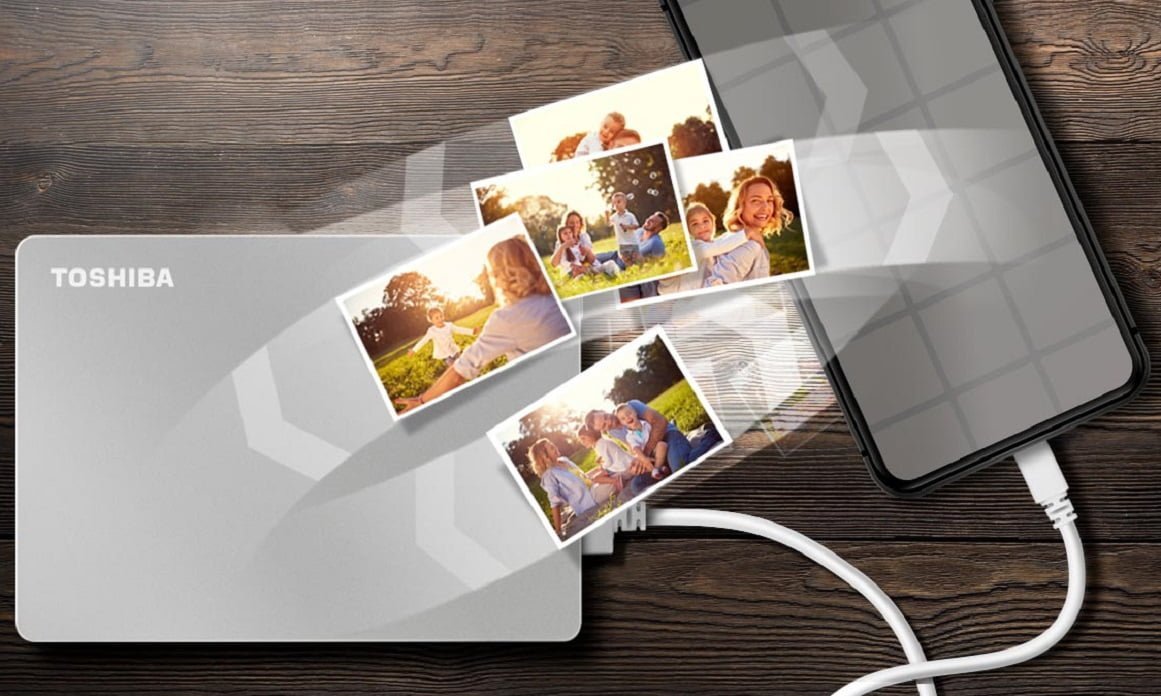
Twenty years of family photos, one decision: is cloud storage better than an external hard drive for family photos? The honest answer is that the best choice is both.
So, is cloud storage better than an external hard drive for family photos? I spent a good chunk of time researching this, comparing options, and reading what real users say. Here's the honest breakdown.
Here’s the Quick Version
Cloud storage wins on convenience and disaster protection — photos survive house fires, theft, and dead phones, and they're accessible anywhere (Google Photos, iCloud, and Amazon Photos all work well). External drives win on one-time cost and control — a 2TB drive costs $60–$80 once, versus $2–$10/month forever for cloud. But drives fail, get lost, and require you to actually plug them in. The expert-recommended 3-2-1 approach: cloud as primary, external drive as backup.
That's the gist, but the details matter here — they decide whether you overpay, waste time, or get it right the first time.
If that piqued your interest, you’ll like How much does data recovery cost for a broken hard drive too.
For the official word, check the FTC's guide to backing up data, which lays out the details straight from the source.
Is Cloud Storage Better Than an External Hard Drive for Family Photos?
- Cloud pros: automatic backup, access from anywhere, survives disasters, easy sharing with family.
- Here's the thing — Cloud cons: monthly fees forever, needs internet, and you're trusting a company's terms of service.
- Real talk: External drive pros: one-time $60–$80 cost for terabytes, no subscriptions, fully under your control.
- External drive cons: drives fail (average lifespan 3–5 years), can be lost or stolen, backups only happen when you remember.
- Real talk: The 3-2-1 rule: 3 copies, 2 different media types, 1 offsite — cloud plus external drive nails it.
A Quick Real-World Example
My parents kept 15 years of photos on a single external drive. It died in 2023 — clicking sounds, totally dead. Professional recovery quoted $900. Now they use Google Photos plus a second drive, and my mom checks the backup monthly like it's a ritual.
A Photo Backup Setup That Actually Lasts
One thing I’ve learned after years of dealing with gadgets: the sticker price is never the whole story. There’s always a second layer — the accessories you didn’t know you needed, the subscription that seemed optional until it wasn’t, the “free” service that costs you in data. When you’re sizing up any tech decision, add about 15–20% to whatever number you’re looking at for the stuff around the edges. Cables, cases, adapters, cloud storage, the apps you’ll inevitably pay for — it adds up fast. People who budget for the extras never feel blindsided. People who don’t end up annoyed at a purchase they otherwise liked.
And here’s the part that actually matters more than specs: how long will this thing realistically serve you? A cheaper option that needs replacing in eighteen months is more expensive than the pricier one that lasts four years. I always ask myself what my future self, two years from now, will wish I’d bought. That one question has saved me from more bad tech purchases than any review site ever has.
Timing matters more than most people realize. Tech prices follow rhythms — new models drop in predictable seasons, and the previous generation gets discounted right after. If you can wait six to eight weeks, you can often get last season’s flagship for the price of this season’s mid-range option, which is almost always the better deal. Refurbished and open-box items follow a similar pattern, flooding the market right after big launches.
The other timing trap is buying right before you actually need something. Gadgets sitting in a drawer lose value and warranty coverage simultaneously. Buy when you’re ready to use it, not when the deal looks shiny. And if a salesperson is pushing hard, that’s information too — it usually means the margin is good for them, not the value for you. Sleep on any tech purchase over a couple hundred bucks. You’ll thank yourself.
For more on this, see our guide to How can I free up storage on my iPhone without deleting photos.
Practical Tips Worth Knowing
- Do this before anything else: enable automatic cloud backup on every family phone — it's the foundation everything else builds on.
- Don't skip this: buy two external drives and rotate them; keep one somewhere other than your house.
- A small thing that makes a big difference — once a year, verify you can actually open files from your backups — untested backups are just hopes.
- Here's one that saves people real money: label drives with dates; 'untitled backup 2019' helps nobody in 2026.
Mistakes People Keep Making
- Here's a painful one: keeping the only copy of family photos on a single aging external drive. Learn from other people's mistakes on this.
- The classic blunder: assuming cloud storage is a full backup — check what's actually syncing. I've seen this one cost people time and money more times than I can count.
- Watch out for this: buying the cheapest no-name drive for irreplaceable memories. It's the kind of thing that seems fine until it isn't.
Quick Questions, Straight Answers
Can I do this myself, or should I get help?
It depends on your comfort level and what's at stake. Low-risk tasks with good tutorials are great DIY candidates. But if messing up would cost you the device, your data, or your warranty, that's the moment to call in someone experienced. There's no shame in it — pros exist for a reason, and their mistakes are their problem, not yours.
What's the biggest mistake beginners make?
Rushing. People either buy the first option they see or dive into a fix without reading the instructions twice. Slow down, compare at least three options, and read the fine print — especially around warranties, return windows, and what's actually included. Ten extra minutes of patience routinely saves hundreds of dollars.
Is the cheapest option ever the right call?
Sometimes, but rarely for things you depend on daily. The cheapest option usually cuts something — quality, support, longevity, or all three. The sweet spot is almost always the mid-range: proven, reasonably priced, with real support behind it. Buy cheap twice and you've spent more than buying right once.
My Take
Cloud for daily automatic protection, external drive for local control and cost savings. Together they're cheap insurance for memories you can never recreate.
Look, nobody wants to overthink this stuff. But twenty minutes of reading now beats an expensive mistake later.
Worth a read next: What is the difference between SSD and HDD storage.
One more useful resource: Google Photos help center — worth bookmarking before you make any final decisions.


