
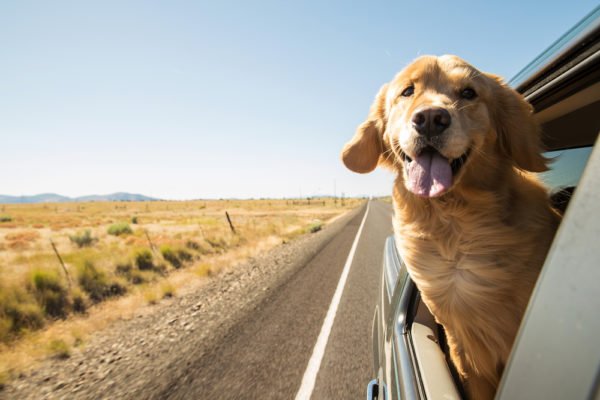
Road-tripping with your dog is one of the great joys — until 9pm in an unfamiliar town when you realize finding a hotel that takes pets isn’t as simple as it should be. So how do I find pet-friendly hotels for road trips without the last-minute panic, surprise fees, or “actually, we don’t take dogs over 25 pounds” at the front desk? I’ve driven cross-country with a 70-pound mutt more than once, and this is the system that works.
Start With the Right Search Tools
Generic hotel sites bury pet policies three clicks deep. Use tools built for this:
- BringFido — the gold standard. Filters by pet policy, shows fees and weight limits upfront, and includes reviews from other pet travelers. Start every search here.
- Hotel chain websites with pet filters. Most major chains now let you filter for pet-friendly properties, but always verify the specific property — policies vary by location, not just brand.
- Google Maps. Search “pet friendly hotel near [town]” and check the Q&A section — travelers often ask about pet policies and hotels answer.
- Call ahead. Seriously. For the hotel you actually want, a 2-minute call confirms the current policy, the fee, and whether they have ground-floor rooms available. Online info goes stale; the front desk knows today.
How Do I Find Pet-Friendly Hotels for Road Trips? Know the Chains
Some chains are reliably great with pets, which matters when you’re booking on the road at 8pm:
- La Quinta (Wyndham). Famously pet-friendly across most locations, often with no pet fee. A road-tripper’s best friend.
- Red Roof Inn. One pet per room stays free at most locations. Budget-friendly and consistent.
- Kimpton (IHG). The luxury end — no fees, no weight limits, and they often provide beds, bowls, and treats. If you’re splurging one night, make it a Kimpton.
- Best Western. Many locations are pet-friendly with reasonable fees, though policies vary widely — always confirm.
- Motel 6. Pets stay free at most locations. Basic, but reliably available and cheap.
- Airbnb/Vrbo. Filter for “pets allowed,” but message the host to confirm — “pets allowed” sometimes means “one small dog,” and some hosts charge unstated fees.
Chains to double-check: Marriott and Hilton properties vary enormously by individual hotel. Don’t assume — verify each one.
The Fees and Fine Print
“Pet-friendly” rarely means “pet-free.” Typical structures:
- Per-night pet fee: $25–$75/night is common; luxury hotels can charge $100+.
- Per-stay fee: $50–$150 flat, sometimes with a cap. Better for longer stays.
- Refundable deposit: $100–$250 held against damage. Annoying but fair.
- Weight and breed limits: The fine print that ruins evenings. “Dogs under 50 lbs” is common; some places restrict breeds. Always confirm for your dog.
- Number of pets: Usually 1–2 max. Traveling with three dogs? Call ahead, always.
- Unattended pet rules: Most hotels prohibit leaving pets alone in the room — or require crating. Plan your dinner stops accordingly.
Ask for the total pet cost when booking, not just “is there a fee.” A $40/night fee over 5 nights is $200 — it changes the math on which hotel is actually cheapest.
Road Trip Strategy: Booking on the Move
- Book the night’s hotel by mid-afternoon. Pet-friendly rooms (especially ground floor) are limited and sell out. Don’t roll into town at 10pm hoping.
- Request ground floor near an exit. Late-night and early-morning bathroom breaks are infinitely easier without elevator rides and long hallways.
- Pack a dog go-bag. Leash, collapsible bowls, food, poop bags, a familiar blanket, any medications, and vaccination records (some hotels ask; all boarding emergencies need them).
- Plan exercise stops. A tired dog is a quiet hotel guest. Find dog parks along your route in advance — apps like BringFido list those too.
- Never leave your dog in the car. Even “just for a minute” — temperatures kill fast. If a stop isn’t dog-friendly, take turns.
- Protect the room. Bring a blanket to cover the bed if your dog sleeps on it, and wipe paws at the door. Leaving the room clean protects pet-friendly policies for the next traveler.
When Hotels Don’t Work: Alternatives
Sometimes the hotel situation is bleak — rural stretches, sold-out towns, eye-watering fees. Backups: campgrounds and cabins (KOA and state parks are often very dog-friendly), pet-sitting swaps with friends along the route, and day boarding — if you want one nice hotel night without the dog, many towns have well-reviewed daycares on Rover. And for the driving days themselves, a good weekend destination with dog-friendly patios and parks beats a hotel room anyway.
Flying With Pets: When Driving Isn’t an Option
Sometimes the road trip isn’t possible — cross-country moves, international relocations, or trips where driving would take days. Flying with pets is doable but demands more planning than hotels:
- In-cabin vs. cargo. Small pets (usually under 15–20 lbs including carrier) can fly in-cabin on most US airlines for a $95–$125 fee each way. Larger dogs fly as cargo — which is safe statistically but stressful, weather-restricted (airlines embargo cargo pets in extreme heat/cold), and expensive ($200–$500+).
- Book direct flights. Every connection doubles the risk of delays, missed transfers, and temperature exposure. Nonstop is worth paying extra for.
- Airline choice matters. Pet policies, fees, and breed restrictions vary enormously. Alaska and Southwest consistently rank well for pet travelers; some ultra-low-cost carriers don’t take pets at all. Read the current policy — they change.
- Vet visit first. Most airlines require a health certificate issued within 10 days of travel. Some destinations require additional vaccinations or quarantine — research the destination, not just the airline.
- Brachycephalic breeds (pugs, bulldogs, etc.) face restrictions or bans from many airlines due to breathing risks. Check before booking anything.
- Prepare the carrier. Acclimate your pet to the carrier for weeks beforehand — feed meals in it, make it a safe space. A terrified animal in an unfamiliar box is miserable for everyone, including neighboring passengers.
Whether you fly or drive, the destination matters as much as the journey — dog-friendly beach towns with off-leash areas and patio-friendly restaurants make the whole trip better. And plan your driving days around rest: long hauls with a pet mean more stops, earlier starts, and genuine tiredness, so prioritizing sleep on the road isn’t a luxury — it’s what keeps the trip enjoyable instead of grinding.
The Practical Takeaway
Finding pet-friendly hotels for road trips is easy once you build the habit: search BringFido first, learn which chains you can trust (La Quinta, Red Roof, Kimpton), always confirm fees and weight limits by phone, book by mid-afternoon, and request ground floor. The fees are real but manageable when you know them upfront — the only true disaster is the 10pm surprise. Pack the go-bag, plan the exercise stops, and enjoy the best road trip companion there is. Dogs don’t care about the thread count; they care that you’re together, which is the whole point of bringing them.


