
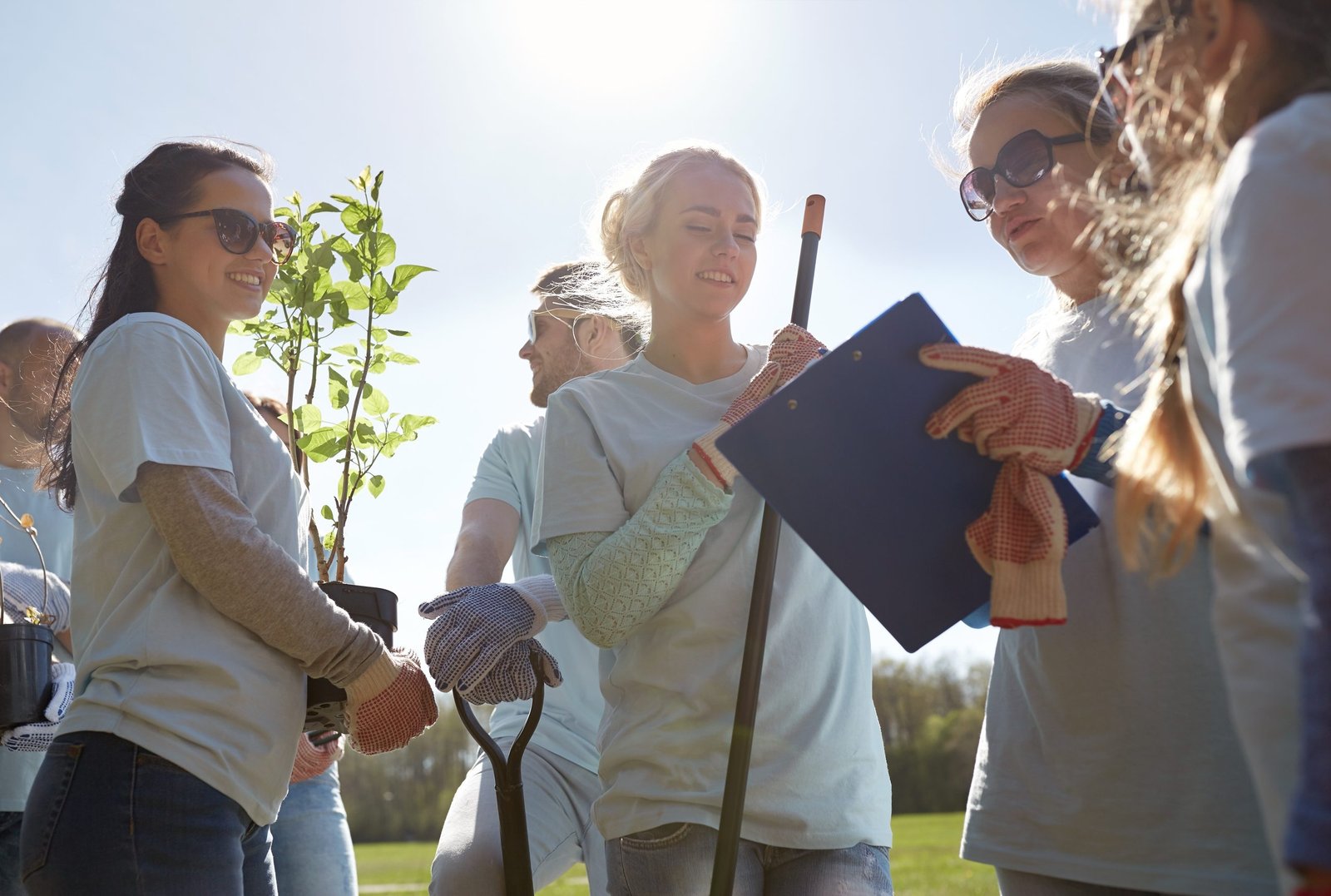
Volunteering abroad sounds incredible — teaching kids in Peru, protecting sea turtles in Costa Rica, building schools in Nepal. And it can be genuinely life-changing. But the “voluntourism” industry has a dark side: overpriced programs, orphanages that exist to attract donations, and projects that help volunteers feel good more than they help communities. So how can I volunteer abroad safely and affordably while making sure your time actually matters? Here’s the honest guide.
The Hard Truth About Pay-to-Volunteer
Let’s address the elephant: most volunteer abroad programs charge you — often $1,000–$3,000+ for a few weeks. That feels backwards (you’re giving time; why are you paying?), but legitimate costs exist: housing, food, local staff, project materials. The problem is the markup. Some companies are essentially travel agencies with a volunteering veneer, keeping most of your fee as profit.
Red flags: programs that won’t break down where your money goes, orphanage volunteering (widely condemned by UNICEF and child-protection experts — it can fuel child exploitation), programs requiring no skills for skilled work (unqualified volunteers doing medical or construction work can cause real harm), and anything that feels more like a photo opportunity than a project.
How Can I Volunteer Abroad Safely and Affordably? Finding Legitimate Programs
Low-cost and reputable organizations
- UN Volunteers — the UN’s volunteer program. Competitive and often longer-term, but legitimate and well-structured, with many remote options too.
- Workaway / Worldpackers — platforms connecting travelers with hosts (farms, hostels, NGOs) in exchange for a few hours of work daily. Membership is cheap ($50-ish/year), and you arrange room and board directly. Read reviews carefully — quality varies by host.
- WWOOF — organic farm volunteering worldwide. Very affordable, culturally immersive, and the work is straightforward.
- Habitat for Humanity Global Village — build trips with transparent costs and a decades-long track record.
- Local NGOs directly. The cheapest and often most impactful route: find grassroots organizations in your destination country and contact them directly. No middleman markup. This takes more research but the experience is usually deeper.
The affordability playbook
- Go longer. Per-week costs drop dramatically on longer placements. A 3-month commitment often costs less per week than a 2-week “experience.”
- Choose cheaper regions. Southeast Asia, parts of Latin America, and Eastern Europe stretch your budget far beyond Western Europe or Australia.
- Fundraise transparently. If costs are real, crowdfunding from friends and family is normal — just be honest about where the money goes.
- Look for stipended programs. Some longer programs (Peace Corps for Americans, EU Solidarity Corps for Europeans) cover costs and even pay a living stipend.
Safety: The Non-Negotiables
- Research the region honestly. Check your government’s travel advisories, but also read recent traveler reports — advisories can be broad-brush. Talk to people who’ve been recently.
- Vet the organization like a job. Ask for: registration/legal status, references from past volunteers (and actually contact them), detailed daily schedules, supervisor qualifications, and emergency procedures. Legitimate organizations answer gladly; shady ones deflect.
- Get proper insurance. Standard travel insurance often excludes volunteer work. Get a policy that explicitly covers your activities, plus medical evacuation — this is non-negotiable in remote areas.
- Health prep. Visit a travel clinic 6–8 weeks out for vaccinations and malaria prophylaxis if needed. Bring a real first-aid kit and any prescriptions with documentation.
- Share your itinerary. Someone at home should know where you are, who you’re with, and how to reach you — plus embassy contact info for the country.
- Trust your gut. If a placement feels wrong — unsafe housing, no supervision, pressure to do things you’re unqualified for — leave. No sunk cost is worth your safety.
Making Sure You Actually Help
This is the part most guides skip. The ethical questions matter:
- Skills over enthusiasm. The most useful volunteers bring actual skills — teaching credentials, medical training, construction experience, language fluency. If you have none relevant to the project, consider whether fundraising for local workers might help more than your unskilled labor.
- Support local employment. Good programs hire locally and use volunteers to supplement, not replace, paid local staff. Ask how the program employs people from the community.
- Learn before you teach. Spend your first days listening. Cultural humility — understanding how the community sees its own needs — prevents the classic voluntourism failure of solving the wrong problem.
- Commit real time. Two weeks is barely enough to be useful. A month minimum for most projects; longer is better. Relationships and real contribution need time.
Alternatives Worth Considering
If the logistics feel daunting, consider: virtual volunteering (translation, tutoring, design work for NGOs — zero travel cost, real impact), volunteering locally with immigrant/refugee communities (cross-cultural experience in your own city), or donating the trip cost to an effective local organization (sometimes the highest-impact option, unglamorous as it sounds). None of these give you the Instagram photos, but impact isn’t measured in photos.
Volunteering Abroad at Different Life Stages
The standard advice assumes a 22-year-old with a backpack. But volunteering abroad works at every age — the considerations just shift:
After 50: you bring the most valuable volunteer asset — professional skills. Accountants, teachers, nurses, engineers, and managers are in high demand with development organizations. Programs specifically for experienced volunteers (like VSO) place professionals where their expertise matters. Physical demands vary by project — be honest about yours and choose accordingly. Travel insurance gets pricier with age and pre-existing conditions; arrange it early and read the medical exclusions carefully.
With kids: family volunteering trips exist and can be extraordinary — building, teaching, or conservation work alongside your children. Choose programs designed for families (appropriate hours, safe housing, other kids around). Ages 10+ generally work best; younger kids limit which projects accept you. The experience tends to affect children profoundly — many parents describe it as the most educational trip their family ever took.
Career breaks: a 3–6 month placement between jobs is the sweet spot — long enough to contribute meaningfully, structured enough to explain on a résumé. Skills-based volunteering (marketing for an NGO, building their website, training staff) often creates more lasting value than manual labor, and it strengthens your own portfolio simultaneously.
Students: look for programs tied to academic credit or professional certification — nursing, education, and social work students can often count supervised international placements toward requirements. Your university’s study-abroad or service-learning office knows which programs qualify.
Whatever your stage, the fundamentals don’t change: verify documents well in advance (passport validity rules have ended more than one volunteer trip), get proper insurance, and commit enough time to matter. And document the experience — not just for social media, but for yourself. Keep a journal. The photos you take will trigger memories, but the written details (names, meals, small moments) are what you’ll treasure in ten years.
The Practical Takeaway
Volunteering abroad safely and affordably means: choosing vetted, transparent programs (or going direct to local NGOs), avoiding orphanage tourism and unskilled short stints, getting proper insurance and health prep, and committing enough time to actually contribute. Do the unglamorous research — contact past volunteers, ask where the money goes, check advisories — and you’ll have an experience that’s genuinely meaningful rather than merely photogenic. And learn how locals actually eat while you’re there; some of the best cultural education happens over a shared meal, not a work site.


