
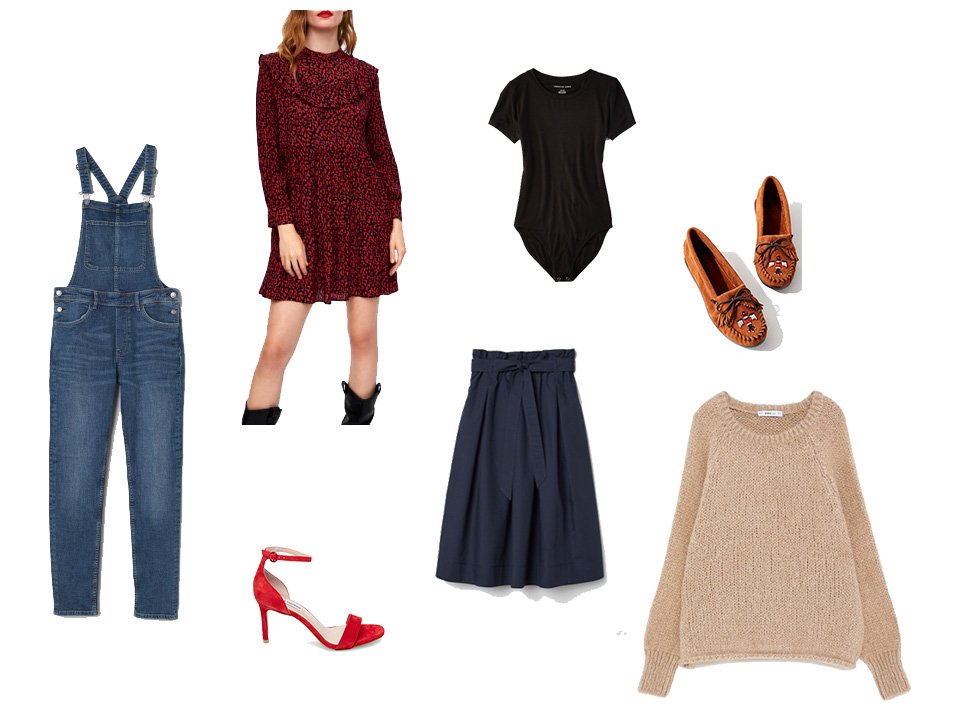
That awkward September stretch — 75°F at noon, 55°F by evening — when your summer clothes feel wrong but your fall wardrobe feels premature. Most people handle it by suffering or overhauling. There’s a better way. How can I transition my wardrobe from summer to fall? By layering summer pieces with fall additions, shifting colors and textures gradually, and treating it as a blend rather than a switch.
The Philosophy: Blend, Don’t Switch
Forget the dramatic closet swap. Transitional dressing means wearing summer and fall pieces together: the summer dress with a fall jacket, the shorts with tights and boots, the linen shirt under a sweater. This approach extends your wardrobe’s useful life by months and handles temperature swings gracefully. Aim for outfits that work at 65°F and adapt to 50°F with one added layer.
10 Transition Formulas
- 1. Summer dress + ankle boots + jacket. The quintessential transition outfit. Swap sandals for boots, add a denim or leather jacket — the dress gets a whole second season.
- 2. Shorts + tights + sweater + boots. Tights are the transition MVP — they make summer bottoms fall-appropriate instantly.
- 3. Linen shirt + sweater over shoulders + jeans. Summer fabric, fall styling. The draped sweater is both practical and chic.
- 4. Tank or tee + blazer + dark jeans. The blazer adds fall structure to summer basics. Our casual blazer styling covers the variations.
- 5. Midi skirt + fitted sweater + boots. Tuck the sweater, add boots — summer skirt, fall outfit.
- 6. White jeans + camel sweater + loafers. White denim works past Labor Day (that rule died years ago) — just pair with fall textures on top.
- 7. Jumpsuit + jacket + closed-toe shoes. The one-piece gets fall-ified with layers and footwear swaps.
- 8. Maxi dress + cardigan + scarf. Long dresses transition beautifully — add cozy layers and the summer maxi becomes a fall staple.
- 9. Short-sleeve sweater + jeans + ankle boots. The in-between knit — not quite summer, not quite fall. Perfect for the season itself.
- 10. Summer top + corduroy or dark denim bottoms. Change the bottom half to fall fabrics while keeping summer tops in play.
The Gradual Shifts
- Colors: ease from brights and pastels toward jewel tones, earth tones, and deeper neutrals. You don’t need new clothes — just reach for the burgundy instead of the coral.
- Fabrics: introduce texture gradually — knits, suede, corduroy, leather mixed with remaining summer cottons and linens.
- Footwear: the fastest seasonal signal. Sandals → loafers → ankle boots tracks the temperature drop perfectly.
- Layers: add one layer at a time as temperatures fall — first the light jacket, then the sweater, then the coat. Our layering without bulk guide keeps it sleek.
What to Store vs. Keep Out
Store now: heavy swimwear (keep one suit for hot tubs/travel), strapless tops with no layering potential, ultra-light fabrics that can’t layer. Keep out: anything that layers — dresses, skirts, tees, light sweaters, jeans. The test: can I wear this with boots and a jacket? Yes → stays. No → store. For proper storage, see storing seasonal clothes.
Smart Transition Purchases (If Any)
Resist the urge to buy a whole fall wardrobe in September. The only purchases that earn their keep: ankle boots (if you lack them), a versatile jacket (denim, leather, or utility), tights in black and nude, and one or two transitional knits. Everything else can wait until you see what the season actually demands. Check what you own first — organizing your closet often reveals forgotten fall pieces.
How Can I Transition My Wardrobe From Summer to Fall? Your Questions Answered
When should I actually switch my closet over?
Don’t do one big switch — do a rolling transition over 4-6 weeks. Start by adding transitional pieces (light jackets, ankle boots, cardigans) while keeping summer clothes accessible. As temperatures consistently drop below 60°F, move the true summer items (linen shorts, strapless tops, swimwear) to storage. The mistake is the dramatic October overhaul: you end up either freezing in September or sweating in fall clothes during an 80°F week. Watch the 10-day forecast, not the calendar — climate varies enormously by region, and your closet should follow your weather, not a date.
What are the best transitional shoes?
The three that bridge seasons: loafers (work with bare legs now, with socks later), ankle boots (the definitive fall-transition shoe — pair with dresses, jeans, skirts), and white sneakers (year-round at this point). The transition sequence: sandals → loafers/sneakers → ankle boots → tall boots tracks the temperature drop. The key purchase if you lack one: ankle boots in a versatile color (black or tan). They make summer dresses fall-appropriate instantly and carry through winter with tights. One pair multiplies your transitional wardrobe.
Can I wear white after Labor Day?
Yes — this rule died years ago and nobody under 50 observes it. The modern version: wear white year-round, but shift the fabrics and styling seasonally. White jeans with a camel sweater and boots is perfect fall; white linen with sandals is summer. Winter white (cream, ivory) is actually a classic cold-weather look. What does look off-seasonal: summery white fabrics (eyelet, seersucker) styled summarily in November. It’s not the color — it’s the context. Wear the white; style for the season.
How do I layer summer dresses for fall?
The formula: dress + tights (the instant fall-ifier) + boots + a jacket or cardigan. Turtlenecks under sleeveless or short-sleeve dresses extend them dramatically — this one trick doubles a summer dress’s season. A chunky cardigan over a slip dress, a denim jacket over a sundress, a blazer over a sheath: each pairing shifts the dress a season forward. The dresses that transition best have simple silhouettes and medium-weight fabrics; ultra-light beachy maxis are harder (but not impossible — with boots and a leather jacket, even those work). Fall transitional styling showcases these combinations every September.
The Bottom Line
Transitioning from summer to fall means blending seasons: layer fall pieces over summer ones, shift colors and footwear gradually, and use tights, boots, and jackets as your transition tools. Don’t overhaul — adapt. The best transitional wardrobe is the one you already own, worn smarter.


