
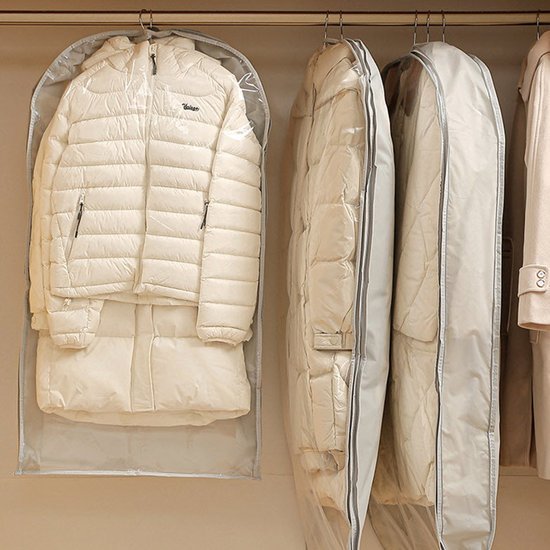
A good winter coat is an investment — and summer storage is where investments go to die. Moth holes, musty smells, crushed insulation, mysterious stains that “weren’t there in March”: all preventable with proper technique. What is the best way to store winter coats during summer? Clean first, protect from pests and moisture, store with shape intact, and keep them breathable. Here’s the full method.
Step 1: Clean Before Storing (Non-Negotiable)
Never store a dirty coat. Body oils, food residues, and invisible stains attract moths and set permanently over months. Wool coats: dry clean at season’s end — it’s the one time of year it’s truly worth it. Down coats: machine wash on gentle with down-specific detergent (regular detergent strips the oils), then tumble dry low with clean tennis balls to restore loft. Synthetic parkas: machine wash gentle, hang dry. Leather: wipe down, condition, and air out. Empty every pocket — you’ll be amazed what accumulates.
Step 2: Repair Now, Not in November
Check for: loose buttons, broken zippers, torn linings, small holes, worn cuffs. Fix or schedule repairs now — tailors are less busy in summer (sometimes cheaper), and you’ll thank yourself at the first cold snap. A coat needing repair in storage is a coat you won’t wear next winter.
Step 3: Pest Prevention
Moths are the #1 coat killer in storage. The defense:
- Cedar: blocks, rings, or sachets — cedar repels moths (it doesn’t kill existing larvae, so it’s preventive). Refresh the scent yearly by sanding blocks lightly.
- Lavender sachets: pleasant-smelling moth deterrent. Replace each season.
- Avoid mothballs: they work, but the chemicals are unpleasant and the smell permeates everything. Modern alternatives are better.
- Clean storage area: vacuum the closet or storage space before storing — moth larvae feed on lint, hair, and dust too.
- Inspect in late summer: a quick check in August catches any problem before it becomes a disaster.
Step 4: Choose the Right Storage Method
- Best: breathable garment bags on sturdy hangers. Canvas or cotton garment bags protect from dust while allowing airflow. Use wide, shaped hangers that support the shoulders — never wire hangers, which create shoulder points over months.
- Good: folded in breathable bins (for packable/down). Down and synthetic puffers store fine loosely folded in cotton storage bags. Don’t compress long-term — crushed down loses loft permanently.
- Avoid: plastic bags and vacuum sealing. Plastic traps moisture (hello, mildew and musty smells). Vacuum-sealing crushes insulation and can permanently damage down and structured wool. The space savings aren’t worth destroyed coats.
- Avoid: damp basements and hot attics. Moisture breeds mildew; extreme heat damages leather and adhesives. Cool, dry, dark — a bedroom closet beats a garage every time.
Coat-Specific Notes
- Wool overcoats: hang, never fold (creases set). Brush with a garment brush before storing to remove surface dirt.
- Down coats: store uncompressed with room to breathe. A quick tumble with tennis balls in fall restores any lost loft.
- Leather jackets: condition before storing, hang on wide hangers, keep away from direct sunlight (fades and dries).
- Technical shells: wash with tech wash, hang dry, store loosely. Reapply DWR (durable water repellent) treatment in fall if water stops beading.
For general closet organization that accommodates seasonal rotation, see our small closet organization guide — the zone system makes seasonal swaps painless.
The Fall Revival (5 Minutes Per Coat)
When temperatures drop: remove from storage, air out for a day, steam or brush to refresh, check for any issues, and reapply water-repellent spray to technical pieces. Your coats emerge ready — no October scramble, no surprises. If you’re assessing whether a coat is worth keeping, our winter coat buying guide helps you judge quality for future purchases.
What Is the Best Way to Store Winter Coats During Summer? Your Questions Answered
Can I vacuum-seal my winter coats to save space?
Please don’t — at least not down or structured wool coats. Vacuum compression crushes down clusters (permanently reducing loft and warmth) and can permanently crease structured wool. The space savings aren’t worth destroying a $300 coat. What vacuum-sealing is fine for: synthetic-fill casual jackets you don’t care deeply about, and only for a season. For coats you value: breathable garment bags or cotton storage bags, stored uncompressed with room to breathe. Space is precious, but so is the coat — and a ruined coat costs more than the space it saved.
How do I get the musty smell out of a stored coat?
Mustiness means moisture got trapped — the storage conditions failed, not the coat. The fix: air it outside on a dry, breezy day (UV and airflow are natural deodorizers), then wash or dry-clean according to the fabric. For washable coats, add a cup of white vinegar to the rinse cycle. For wool that can’t be washed: professional dry cleaning, or a fabric refresher spray plus thorough airing. Prevention for next year: ensure coats are completely dry before storing, use breathable (not plastic) storage, add silica gel packets in humid climates, and never store in damp basements. Mustiness prevented beats mustiness treated.
Do cedar blocks actually repel moths?
Cedar repels moths (the scent deters them from laying eggs) but doesn’t kill existing moths or larvae — it’s preventive, not curative. That means: cedar works great in a clean storage space, but won’t save coats that already have larvae. For full protection: clean coats before storing (moths are attracted to body oils and food residue more than to wool itself), use cedar blocks or rings (refresh the scent yearly by lightly sanding), and consider lavender sachets as a complement. If you’ve had an active moth problem, wash or dry-clean everything, vacuum the storage area thoroughly, and then deploy the cedar. Prevention layers work; single solutions don’t.
Should I store coats hanging or folded?
Structured coats (wool overcoats, tailored parkas, leather jackets): always hanging, on wide shaped hangers that support the shoulders — folding creates permanent creases in structured garments. Packable items (down puffers, synthetic shells, fleece): folded loosely in breathable bags is fine, even preferable (hanging can stretch lightweight shells). The hanger matters enormously for long-term hanging: wire hangers create shoulder points over months; wide wooden or padded hangers maintain shape. And whatever you do, don’t cram — coats need air circulation around them. A packed-tight closet is a musty, moth-friendly closet. Good Housekeeping’s storage guides cover seasonal clothing care in detail if you want a deeper reference.
The Bottom Line
Store winter coats by cleaning first, repairing now, preventing moths with cedar, hanging in breathable garment bags on sturdy hangers, and keeping them cool, dry, and uncompressed. Never plastic-bag or vacuum-seal. Five minutes of proper storage in May saves a $300 coat from ruin by October.


