
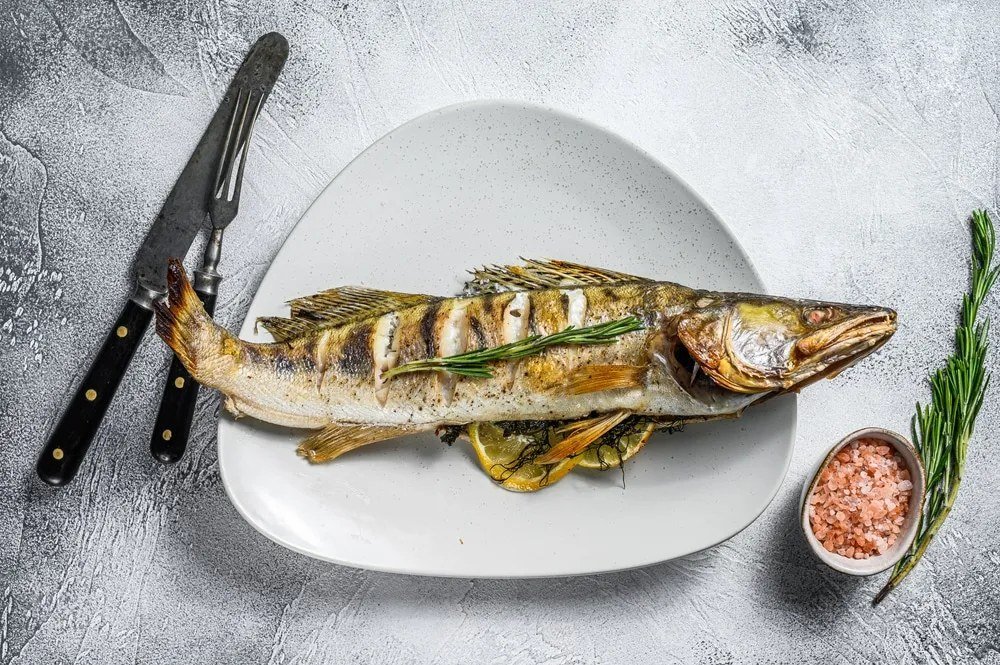
You want to eat more fish. You know it’s healthy. But the last time you cooked salmon, your apartment smelled like a dock for two days, and your family staged a minor intervention. Learning how to cook fish without it smelling up the house is the difference between eating fish twice a week and ordering takeout instead. The good news: the smell is controllable, and most of it comes down to the type of fish, its freshness, and the cooking method.
Why does fish smell at all? The compound responsible is trimethylamine (TMA), which forms as fish ages — truly fresh fish barely smells like anything. The stronger the fishy odor, the less fresh the fish. So smell prevention starts at the store, not the stove.
How to Cook Fish Without It Smelling Up the House: The Complete Strategy
Step 1: Buy fresh fish (the biggest factor)
This is 80% of the battle. Fresh fish smells like the ocean — clean, briny, mild. If it smells “fishy” at the store, it’s already past its prime and it will stink up your kitchen no matter what you do. What to check:
- Smell it. Ask to smell it at the counter. Mild ocean scent = good. Strong fishy or ammonia smell = walk away.
- Look at the eyes (whole fish): clear and bulging, not cloudy and sunken.
- Check the flesh: firm, springing back when pressed, not mushy or separating.
- Gills: bright red, not brown or gray.
- Frozen is fine — sometimes better. Fish frozen at sea shortly after catch is often fresher than “fresh” fish that’s been sitting for days. Don’t snob frozen; it’s excellent.
Step 2: Choose low-odor fish
Not all fish are equal in the smell department. Mildest: cod, halibut, tilapia, sole, flounder, mahi-mahi, sea bass, haddock. Medium: salmon, trout, tuna. Strongest: mackerel, sardines, bluefish, anchovies. If smell is your primary concern, white flaky fish are your friends. Salmon is the middle ground most people want — nutritious and flavorful with manageable odor if fresh.
Step 3: Prep tricks that reduce odor
- Milk soak: Soak the fish in milk for 20–30 minutes before cooking. The casein protein binds to TMA and pulls it out. This is an old fisherman’s trick and it genuinely works — rinse and pat dry after.
- Acid: Lemon juice, vinegar, or wine in the recipe neutralizes amines on contact. It’s why lemon with fish is universal, not just tradition.
- Pat dry: Moisture on the surface steams and spreads odor. Dry fish sears faster with less smell.
- Cook it the same day you buy it. Every day in the fridge increases TMA. Buy fresh, cook fresh.
Step 4: Use low-odor cooking methods
Ranked from least to most smelly:
- Poaching/steaming: Gentle, contained, minimal odor. Fish poached in court-bouillon or steamed with ginger and scallions barely smells at all.
- Baking en papillote (in parchment): The parchment packet traps steam and odor while the fish cooks — open it at the table for a dramatic, fragrant reveal that dissipates instantly.
- Baking/roasting: Moderate odor, especially with the oven vent fan running.
- Pan-searing: More smell — the high heat aerosolizes oils. Manageable with ventilation.
- Deep frying: Maximum smell. Delicious, but your house will know about it. Save it for when you can open windows.
- Grilling outside: Zero indoor smell. When weather permits, this is the answer — all the char, none of the lingering odor.
Step 5: Ventilate aggressively
Turn the range hood on before you start cooking, not after the smell has already filled the kitchen. If you don’t have a vented hood, open windows and set a fan blowing outward near the stove. Simmer a small pot of water with lemon slices, vinegar, or cinnamon sticks while you cook — it genuinely helps neutralize airborne odors. After cooking, wipe down the stovetop (fish oil residue keeps smelling), take out the trash immediately, and run the dishwasher.
The En Papillote Method (Your Secret Weapon)
If I had to pick one technique for smell-conscious fish cooking, it’s this. Cut a large heart-shaped piece of parchment, place the fish fillet on one half with lemon slices, herbs, a splash of white wine, and a drizzle of olive oil. Fold the parchment over and crimp the edges to seal. Bake at 400°F for 12–15 minutes. The fish steams in its own aromatic vapor — incredibly moist, essentially odorless cooking, and it looks impressive when guests open their own packets. Works for salmon, cod, halibut, sole, and pretty much any fillet.
What About Leftover Fish Smell?
Store leftovers in truly airtight containers — fish odor escapes through loose lids and permeates the fridge. Eat leftover fish within 2 days. When reheating, the microwave is the worst offender for re-releasing smell; reheat gently in a covered skillet or eat it cold in salads and lunchboxes instead. And dispose of fish packaging (the store wrapping, paper towels) in an outside trash or a sealed bag immediately — that stuff smells worse than the cooking did.
For general kitchen freshness principles, my guide to freezing and storing food safely covers airtight storage that applies here too.
The Practical Takeaway
Cooking fish without the smell = buy truly fresh (or quality frozen) mild fish + milk soak or acid prep + low-odor method (poach, steam, or en papillote) + ventilate before/during/after + clean up immediately. Do all five and your house will smell like nothing at all — which, for fish night, is the goal.
Start with en papillote salmon this week. It’s nearly foolproof, the cleanup is one piece of parchment, and you’ll wonder why you ever feared fish night.
Cooking Fish in Small Spaces (Apartments & Dorms)
No range hood? Tiny kitchen? You can still eat fish regularly. The apartment-safe playbook: stick to poaching, steaming, and en papillote — the lowest-odor methods — and always cook with the kitchen window open and a fan exhausting outward. A portable induction burner on a balcony or patio moves the whole operation outside. Canned fish (tuna, salmon, sardines) gives you the nutritional benefits with zero cooking smell — mix into salads, pasta, or lunchboxes. And pre-cooked options like smoked salmon or shrimp cocktail require no heat at all. Small kitchens don’t have to mean no fish; they just mean choosing the right methods. Your neighbors will never know.
For the official guidance on selecting and handling seafood safely, the FDA’s seafood safety guide covers exactly what to look (and sniff) for at the counter.


