
Swapping a light fixture looks easy on YouTube. And it kind of is — until you remember that the thing you’re touching can kill you. So is it safe to do my own electrical work at home? The honest answer: some of it, yes, with proper precautions. Some of it, absolutely not. And some of it is illegal without a permit depending on where you live. Here’s the clear-eyed breakdown of what’s fine to DIY, what needs a pro, and how to not become a cautionary tale.
The Non-Negotiable Safety Rules
Before anything else, these rules apply to every electrical task, no matter how small:
- Turn off the breaker — not just the wall switch. Switches can be miswired; breakers (when off) don’t lie.
- Verify with a non-contact voltage tester ($15). Test it on a known-live outlet first to confirm it works, then test your work area. Every time. No exceptions.
- Never work on live circuits. There is no residential DIY task that requires live work. None.
- One hand rule for panels. If you’re ever in a breaker panel (and you shouldn’t be, unless you know what you’re doing), keep one hand behind your back — it prevents current crossing your chest.
- Dry conditions only. Never do electrical work with wet hands, standing water, or in the rain.
- Know your limits. If at any point you’re unsure, stop. Uncertainty around electricity isn’t a learning opportunity; it’s a warning.
The National Fire Protection Association reports that electrical failures are a leading cause of home fires — and faulty DIY work is a meaningful contributor. Respect the stakes.
Is It Safe to Do My Own Electrical Work at Home? What’s Generally Fine to DIY
These are low-risk tasks most jurisdictions allow homeowners to do (always verify local code — it varies):
- Replacing switches, outlets, and dimmers. Like-for-like swaps are the bread and butter of DIY electrical. Turn off the breaker, photograph the existing wiring, replicate exactly. If the new device has different terminals than the old, stop and research.
- Swapping light fixtures. Same principle: breaker off, photo, replicate. Ceiling fan installation on existing wiring falls in this category.
- Replacing a thermostat. Low voltage, very safe — just label wires before disconnecting and photograph everything.
- Installing a new outlet or switch cover. Trivially safe, instant cosmetic upgrade.
- Replacing a doorbell or doorbell transformer. Low voltage, beginner-friendly.
Key principle: replacing existing devices is DIY-appropriate. Adding new circuits, extending wiring, or modifying the panel is a different universe of risk and regulation.
What Requires a Permit (and Probably a Pro)
Most US jurisdictions require permits and inspections for: adding new circuits, running new wiring through walls, installing new outlets where none existed, panel upgrades or replacements, anything involving the service entrance or meter, and outdoor/buried wiring. Permit requirements vary wildly — some areas let homeowners pull their own permits and DIY with inspections; others require licensed electricians for everything beyond device swaps. Check with your local building department before starting. Unpermitted electrical work can void your homeowner’s insurance, kill a home sale (inspectors flag it), and create liability if something goes wrong later.
What You Should NEVER DIY
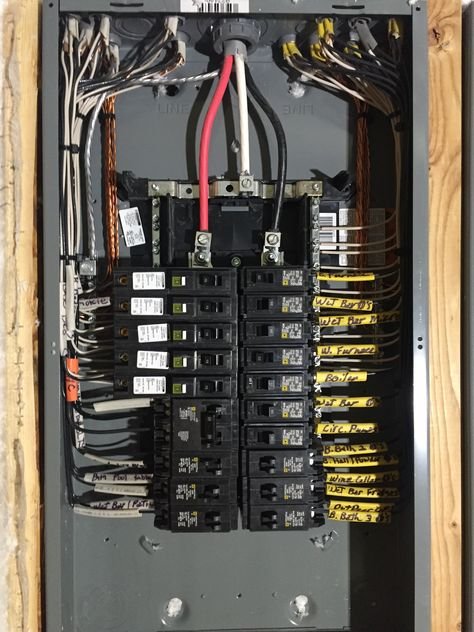
- Anything in the main breaker panel beyond flipping breakers. The main lugs stay live even with the main breaker off. People die in panels.
- Service entrance / meter work. This is utility-company territory. Illegal and lethal to DIY.
- Aluminum wiring repairs. Homes wired with aluminum (common 1965–1975) need special connectors and techniques. Improper repairs cause fires. This is pro-only.
- Anything you’re unsure about. Said before, saying again — it’s the most important rule.
Warning Signs Your Wiring Needs a Pro Regardless
Call an electrician if you notice: breakers tripping repeatedly, outlets or switches that are warm to the touch, burning smells near outlets, flickering lights (beyond one bad bulb), buzzing from outlets or the panel, two-prong ungrounded outlets you want upgraded, or any wiring that looks DIY-modified by a previous owner (mystery splices, electrical tape instead of wire nuts, extension cords used as permanent wiring). These are the symptoms of problems that injure people.
Cost Perspective
An electrician’s service call runs $150–$300, with most small jobs (outlet additions, fixture installs requiring new wiring) landing $200–$500. That’s real money — but compare it to the cost of a house fire or a hospital visit. For the simple swaps, DIY saves the call fee safely. For everything else, the pro’s price includes their license, insurance, permit handling, and the guarantee that it’s done to code. That’s worth paying for.
Reading Your Breaker Panel (Without Touching Anything Inside)
You don’t need to open the panel to learn a lot from it. A 5-minute visual inspection (dead front cover ON — never remove it) teaches you:
- What’s labeled and what isn’t. Mystery breakers are a safety issue — if you can’t identify which breaker controls the bathroom outlet, you can’t safely work on it. Spend 20 minutes with a helper flipping breakers and labeling. A label maker or even masking tape + marker transforms your electrical safety overnight.
- Panel capacity. The main breaker’s amperage (usually 100, 150, or 200 amps) tells you your service size. Planning big additions (EV charger, hot tub, workshop)? The panel label tells you whether there’s physical space and capacity — information your electrician needs anyway.
- Warning signs (call an electrician): rust or corrosion, a burning smell, breakers that are hot to the touch, buzzing sounds, scorch marks, or double-tapped breakers (two wires on one breaker not rated for it). These are visual-only observations — note them and call a pro.
- GFCI and AFCI breakers. Modern panels have breakers with test buttons (GFCI for wet areas, AFCI for bedrooms/living areas). Test them monthly like outlet GFCIs — press test, verify trip, reset. They protect against shocks and fires respectively, but only if functional.
- The main shutoff. Know where it is and verify it works (flip it off and on once — if it’s stiff or won’t budge, have an electrician service it before an emergency). In a crisis (flooding, burning smell), killing the main is the fastest way to make the house electrically safe.
This is all observation — no wires touched, no covers removed. But it makes you dramatically safer and more informed: labeled breakers mean faster, safer DIY on the simple stuff (like swapping a fixture or installing a smart thermostat), and recognized warning signs mean calling for help before small problems become dangerous ones. Every homeowner should be able to read their panel the way every driver can read a dashboard — and it starts with a label maker and 20 minutes. Keep a non-contact voltage tester with your basic tools and you’re equipped for everything this article’s DIY list covers.
The Practical Takeaway
DIY electrical work is safe for like-for-like device replacements (switches, outlets, fixtures, thermostats) when you kill the breaker, verify dead with a tester, and replicate existing wiring exactly. New circuits, panel work, and service-entrance anything require permits and usually a licensed electrician — and unpermitted work risks your insurance and safety. When in doubt, call the pro: a $250 service call is the cheapest peace of mind in homeownership.


