
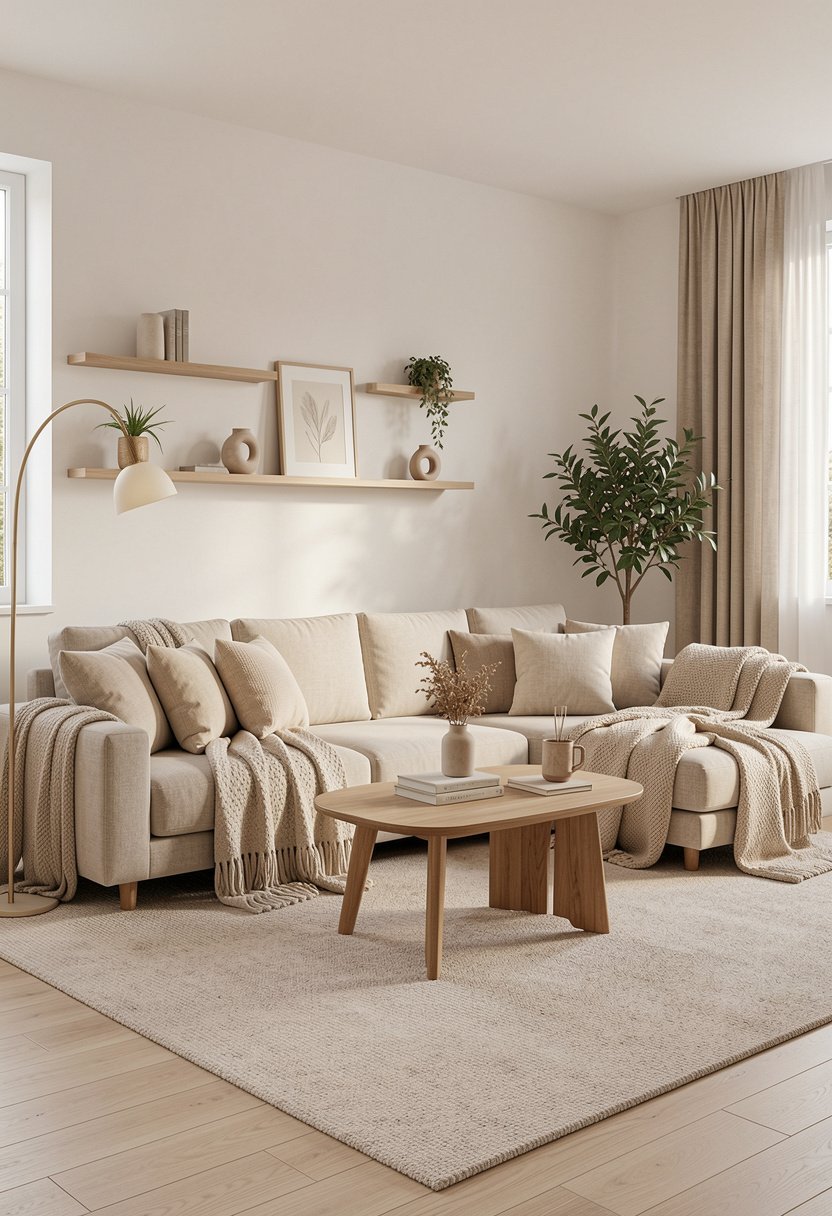
How Do I Declutter My Home in One Weekend? (Room-by-Room Plan)
Wondering how do I declutter my home in one weekend without losing my mind? It’s absolutely doable — but only if you treat it like a project, not a vague intention to “clean up.” Weekends get eaten by indecision: you pick up one object, stare at it for ten minutes, and put it back.
I’ve done the full-weekend declutter twice now, and the difference between success and a wasted weekend came down to having a plan before I touched a single thing. Here’s the plan.
Fair warning: one weekend gets you dramatically better, not magazine-perfect. That’s the right target.
Before You Start: The 30-Minute Setup
Friday night or Saturday morning, gather your supplies: big trash bags, boxes or bins labeled Keep, Donate, Trash, and Relocate (things that belong in another room). Put on music or a podcast — decluttering goes twice as fast with something to listen to.
Then set the ground rules: if you haven’t used it in a year and it has no genuine sentimental value, it goes. Duplicates go — you don’t need three spatulas and four phone chargers. “Might need it someday” is how clutter is born; be honest about whether someday is real.
The Weekend Schedule: Room by Room
Work in this order — it builds momentum by starting with easy wins:
- Saturday morning: Bathrooms. Expired medicines, ancient cosmetics, hotel toiletries you’ll never use, the graveyard of almost-empty bottles. Bathrooms are quick and the before/after is satisfying.
- Saturday midday: Kitchen. Duplicate utensils, chipped mugs, gadgets with one job you never do, expired pantry items, plastic containers without lids (and lids without containers). Check out our guide to organizing kitchen cabinets once the excess is gone.
- Saturday afternoon: Bedrooms and closets. Clothes you haven’t worn in a year, single socks, stretched-out hangers, books you’ll never reread. Try everything questionable on — “maybe” clothes are just clutter with hope attached.
- Sunday morning: Living areas. Old magazines, dead remotes and cables, DVDs nobody watches, decor you’ve stopped seeing. Be ruthless with surfaces — clear surfaces make the whole house feel cleaner.
- Sunday afternoon: The scary spots. Junk drawer, hall closet, garage corner, under beds. Set a timer for each zone so you don’t spiral.
The Four-Box Method (and Why It Works)
Every item you touch goes into one of four places: Keep (it earns its space), Donate (someone else needs it), Trash (it’s done), or Relocate (it belongs in another room). No fifth option, no “decide later” pile — the maybe pile is where decluttering goes to die.
For donations, bag them and put them in your car immediately. Goodwill and similar charities take most household goods, and getting bags out of the house the same weekend prevents the dreaded re-absorption, where donation bags slowly migrate back into closets.
How Do I Declutter My Home in One Weekend Without Family Fights?
Rule one: only declutter your own stuff without asking. Touching someone else’s things without permission starts arguments and stalls the whole project. Rule two: give kids and partners their own zone and their own boxes — people let go of more when they feel in control.
If someone’s a serious keeper, don’t fight it during the weekend blitz. Declutter your spaces, enjoy the results, and let the visible difference do the persuading over time.
Keep It From Coming Back
Clutter returns through the front door, so guard the entrance: one in, one out for clothes and gadgets. Unsubscribe from the catalogs and marketing emails that manufacture wants. And do a 10-minute reset each evening — putting the day’s drift back where it belongs.
A decluttered home also feels bigger, which is why this pairs so well with tricks to make a small apartment feel bigger — less stuff is the cheapest square footage you’ll ever gain.
The Psychology of Clutter (Why Letting Go Feels So Hard)
Decluttering stalls aren’t about laziness — they’re about psychology. The endowment effect makes your stuff feel more valuable than it is. Loss aversion makes discarding feel risky. And every object carries a story: the gift from someone you love, the aspirational purchase, the “someday” project. You’re not just deciding about a bread maker; you’re deciding about the person you hoped to become.
Knowing this helps you move faster. Thank the object for its story, then let it go — the memory isn’t in the thing. For gifts, remember: the gift did its job when it was given; keeping it out of guilt serves no one. And for aspirational clutter, be honest: if you haven’t started the hobby in two years, the equipment is just expensive guilt. Release it and free the mental shelf space too.
Decluttering With Kids and Partners: The Diplomacy Guide
Solo decluttering is straightforward; shared households need diplomacy. The golden rule stands: don’t purge other people’s things without permission — it’s the fastest way to turn a productive weekend into a fight that stalls everything.
What works instead: give everyone their own zone and their own boxes, and let them work at their own pace. Kids respond to the timer game and to choosing what stays (not what’s leaving — framing matters). Partners respond to visible results: declutter your spaces first, enjoy the calm, and let the contrast do the persuading. For the truly stuck, try the “maybe box” compromise: questionable items go in a dated box in the garage, and anything unmissed after six months gets donated unopened. It respects the attachment while still moving things out of the living space.
The 10-Minute Daily Declutter Habit
The weekend blitz gets you clean; this habit keeps you clean. Every evening, set a timer for 10 minutes and return things to their homes — mail sorted, dishes away, surfaces cleared, one bag of trash out. It’s the decluttering equivalent of brushing your teeth: small, boring, and the reason you never need another root canal. Pair it with the one-in-one-out rule and your home stays at weekend-blitz level permanently, with almost no effort. The houses that stay decluttered aren’t inhabited by disciplined people — they’re inhabited by people with a 10-minute habit.
The Bottom Line
You can absolutely declutter your home in one weekend: prep Friday, hit bathrooms and kitchen Saturday morning, closets Saturday afternoon, living areas and scary spots Sunday. Four boxes, no maybe pile, donations in the car the same day. You won’t finish every corner, but you’ll walk into Monday with a house that feels lighter — and a system to keep it that way.


