
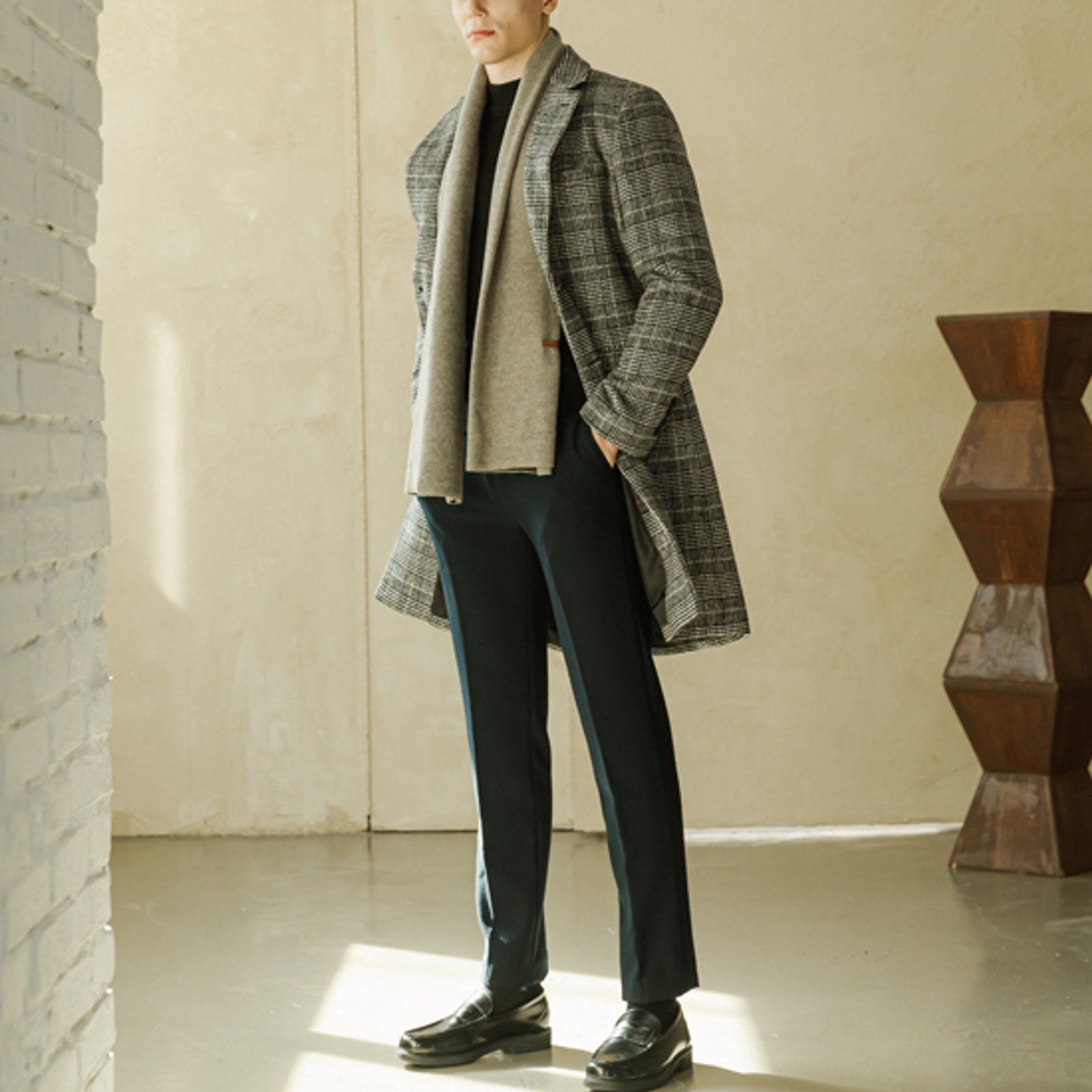
The winter dilemma: freeze in a cute outfit or stay warm looking like a marshmallow. But bulk isn’t caused by warmth — it’s caused by bad layering. Thin, strategic layers trap more heat than one giant sweater, and they look infinitely better. How do I layer clothes for cold weather without looking bulky? It’s a formula: thin base, insulating mid, sleek outer — with proportion rules that keep the silhouette clean.
The Three-Layer Formula
Base layer: thin and fitted. This layer’s job is moisture management and a warmth foundation, not insulation. Thermal tops, fitted long-sleeve tees, silk or synthetic base layers — snug to the body, never baggy. Merino wool base layers are the gold standard: warm, breathable, odor-resistant. Avoid cotton as a base in real cold — it holds moisture and loses insulation when damp.
Mid layer: the insulation. This is where warmth lives: thin down vests, lightweight fleece, cashmere or merino sweaters, quilted liners. The key word is thin — modern insulation (down, PrimaLoft, thin merino) delivers serious warmth without volume. One quality mid-layer beats three mediocre ones.
Outer layer: wind and water protection. Your coat’s job is blocking wind and precipitation — the insulation underneath does the warming. A well-cut wool coat or technical parka over thin layers looks sleek; the same coat over a chunky sweater looks stuffed. Choose your coat size to fit over your layers — try it on wearing them.
Proportion Rules That Prevent Bulk
- Vary the lengths. Layers peeking out at different hemlines (base longest or shortest, never all ending at the same point) create intentional-looking dimension instead of a blob.
- Define the waist somewhere. A belt over a cardigan, a tucked base layer, a coat with shape — one waist definition prevents the rectangle effect.
- Balance volume top and bottom. Slim pants balance a fuller top; if wearing wider-leg pants, keep the top streamlined. Volume in one place is style; volume everywhere is bulk.
- Keep the bulkiest layer closest to the body OR as the outermost. The middle is where bulk shows most. Thin in the middle, structure outside.
- Monochrome slims. One color family through the layers creates an unbroken line that reads sleek regardless of actual volume.
Fabric Choices That Matter
- Merino wool: warm at half the thickness of regular wool. Base layers, sweaters, socks — the cold-weather MVP.
- Down and synthetic down: maximum warmth per ounce. A packable down vest under a coat adds serious heat invisibly.
- Cashmere blends: warm, thin, luxurious. Even a cashmere-blend sweater beats a thick acrylic one for warmth-to-bulk.
- Silk: surprisingly warm as a base layer and paper-thin. Silk long underwear is the secret of people who look great in winter.
- Avoid: chunky cable knits as mid-layers (save them as the visible top layer), thick cotton sweatshirts (bulky, not that warm), and anything that pills into a fuzzy mass.
The Coat Question
Your coat makes or breaks the whole system. It should: fit over your layers without pulling, hit at a flattering length (knee-length is most versatile), have some shape (even a relaxed coat needs shoulder structure), and close comfortably. A great coat over thin layers is the entire winter style strategy in one garment. Our guide to choosing a winter coat that lasts for years covers the investment piece; for off-season, see storing winter coats in summer.
Accessories: Warmth Without Bulk
Here’s the cheat code: a huge percentage of heat loss is head, neck, and hands. A quality scarf, warm hat, and insulated gloves add enormous warmth with zero silhouette impact. Thermal tights or leggings under pants/dresses are invisible warmth. Warm socks (merino!) in proper winter boots complete the system. Many people who feel cold in “enough” layers are just losing heat through uncovered extremities.
How Do I Layer Clothes for Cold Weather Without Looking Bulky? Your Questions Answered
How many layers is too many?
Count by function, not number: you need a base (moisture management), insulation (warmth), and shell (wind/weather) — three functional layers. Beyond that, additional layers usually add bulk without proportional warmth, because the insulation value comes from trapped air between layers, and over-compressing layers squeezes that air out. Four thin layers can work if each is genuinely thin; six layers of anything looks and feels stuffed. If you’re cold in three proper layers, the answer is better layers (higher-quality insulation), not more layers. The principles of layered clothing have been refined over centuries of cold-weather dressing — the physics hasn’t changed, only the fabrics have improved.
What’s the warmest thin base layer?
Merino wool, and it’s not close for the warmth-to-thickness ratio. A quality merino base layer (150-250 gsm depending on cold severity) provides remarkable warmth at t-shirt thickness, regulates temperature (warm when cold, breathable when warm), resists odor for multiple wears, and doesn’t itch like traditional wool. Silk is thinner but less warm; synthetics wick well but stink after one wear. The investment (typically $50-100) pays off across every winter for years — it’s the foundation the entire layering system builds on.
How do I layer without looking bulky on the bottom half?
The bottom half is actually easier: thermal tights or leggings under pants add serious warmth invisibly, and most people can’t tell you’re wearing them. Fleece-lined pants and tights exist for serious cold. The bulk mistakes happen on top (too many thick sweaters) and with the wrong pants (skinny jeans over thermals work; wide-leg over thermals bunches). For dresses and skirts: thermal tights + knee-high boots = the winter formula that looks sleek while hiding two warm layers. Nobody needs to know.
Can I layer stylishly for a formal winter event?
Yes — formal winter layering is about invisible warmth plus one beautiful outer layer. Silk long underwear under a gown or suit (paper-thin, surprisingly warm), thermal tights under everything, and then the showpiece: a proper dress coat (wool overcoat, faux-fur-trimmed, or elegant cape) that is the outfit’s outer statement. Indoors, the event’s heating takes over — the layers underneath just get you there comfortably. The mistake is wearing the bulky practical coat over formal wear and keeping it on; plan the coat check into your evening.
The Bottom Line
Layering without bulk means thin technical layers (merino base, down mid, windproof outer), varied hemlines, one waist definition, and letting accessories handle the extremities. Warmth comes from trapped air between thin layers, not from thickness. Master the three-layer formula and winter becomes your best-dressed season.


