
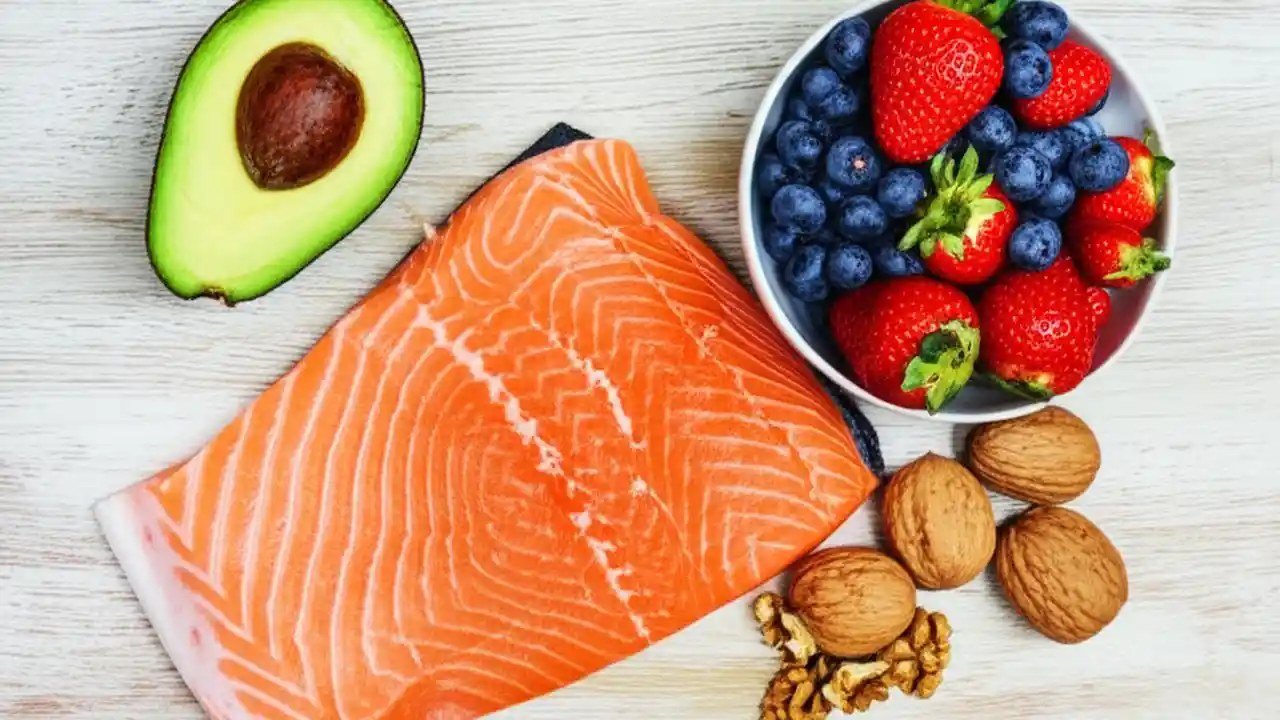
The beauty industry wants you to believe glowing skin comes in a $80 serum. Dermatologists will tell you something less profitable: skin is built from the inside, and what you eat shows up on your face. What are the best foods for healthy skin? The answer involves antioxidants, healthy fats, hydration, and a few specific nutrients that skin literally uses as building materials.
How Food Becomes Skin
Your skin regenerates constantly — you get an entirely new outer layer roughly every 28 days. That construction project needs raw materials: protein for collagen and elastin, vitamin C to synthesize that collagen, healthy fats to maintain the skin barrier, zinc for repair, and antioxidants to defend against UV and pollution damage. A diet missing these doesn’t just affect your health generally; it shows up specifically as dullness, slow healing, dryness, and premature aging.
No food overrides sun damage, though — sunscreen remains the #1 anti-aging intervention by an enormous margin. Think of nutrition as the foundation and sun protection as the roof. You need both.
The Skin-Food All-Stars
- Fatty fish (salmon, sardines, mackerel). Omega-3s maintain the skin’s lipid barrier — the layer that keeps moisture in and irritants out. People with dry, inflamed skin often improve noticeably with regular fatty fish. It’s also a top-tier protein source for the collagen-building project.
- Avocados. Rich in monounsaturated fats plus vitamins E and C — essentially a skin-barrier support package. The healthy fats help your body absorb fat-soluble skin nutrients (A, D, E, K) from the rest of your meal.
- Berries and citrus. Vitamin C is non-negotiable for collagen synthesis — your body literally cannot make collagen without it. Bell peppers actually beat oranges for vitamin C content, but berries bring anthocyanin antioxidants as a bonus.
- Nuts and seeds. Almonds and sunflower seeds for vitamin E (protects skin from oxidative damage), walnuts for omega-3s, pumpkin seeds for zinc (critical for wound healing and oil regulation).
- Sweet potatoes and carrots. Beta-carotene converts to vitamin A, which regulates skin cell turnover — it’s the dietary cousin of retinoids. A sweet potato a day genuinely contributes to skin health.
- Tomatoes. Lycopene may offer mild internal UV protection (emphasis on mild and internal — still wear sunscreen). Cooked tomatoes deliver more lycopene than raw.
- Green tea. Catechins fight inflammation and may improve skin elasticity. Drinking 3-4 cups daily is the studied range — and it beats sugary drinks for your skin in every way.
- Dark leafy greens. Spinach and kale deliver vitamins A, C, and K plus folate — a multi-nutrient skin package for pennies.
Water and Skin: The Real Story
“Drink water for glowing skin” is half true. Severe dehydration absolutely makes skin look dull and accentuates fine lines — but if you’re already adequately hydrated, chugging extra gallons won’t transform your complexion. The practical target: drink enough that your urine is pale yellow, and get a good share of hydration from water-rich foods (cucumber, watermelon, oranges, lettuce). Our guide to how much water to drink daily covers the full picture.
Foods That Work Against Your Skin
- High-glycemic foods and sugary drinks. Blood sugar spikes trigger insulin, which increases oil production and inflammation — a well-documented acne driver. This is the dietary change with the strongest evidence for clearer skin.
- Excessive alcohol. Dehydrates, dilates blood vessels (hello, redness), depletes B vitamins and vitamin A. If intake is a question, see signs you’re drinking too much.
- Ultra-processed foods generally. The combination of refined carbs, unhealthy fats, and additives promotes the systemic inflammation that shows up as skin issues.
- Dairy (for some). The dairy-acne link is real but individual — skim milk shows the strongest association. If you suspect dairy, try a 3-week elimination and observe.
The Gut-Skin Connection
Emerging research on the gut-skin axis suggests your microbiome influences skin inflammation — which makes sense given how much immune activity lives in the gut. People who improve their diet often notice skin improvements before anything else changes. Our guide to improving gut health with food covers the fermented foods and fiber that support both systems. And don’t underestimate healthy fats generally — choosing the right cooking oil affects the fats reaching your skin daily.
The American Academy of Dermatology offers evidence-based guidance on diet and skin that cuts through beauty-industry noise.
What Are the Best Foods for Healthy Skin? Your Questions Answered
Can diet really clear up acne?
For many people, yes — significantly. The strongest dietary evidence for acne involves high-glycemic foods and dairy (particularly skim milk). Studies show low-glycemic diets reduce acne lesions measurably within weeks. The mechanism: blood sugar spikes drive insulin and IGF-1, which increase oil production and inflammation. This doesn’t mean diet explains all acne — hormones, genetics, and skincare matter enormously — but if you’re fighting breakouts while drinking soda daily and eating refined carbs at every meal, diet is the obvious first lever. Give dietary changes 6-8 weeks (two skin cycles) before judging.
Does collagen powder actually help skin?
The evidence is more promising than skeptics admit but weaker than marketers claim. Several randomized trials show hydrolyzed collagen peptides modestly improve skin elasticity and hydration over 8-12 weeks. The proposed mechanism: the peptides signal your body to produce more of its own collagen. But your body also needs vitamin C to synthesize collagen — without adequate C, the powder’s building blocks go unused. My take: it’s a reasonable supplement with modest evidence, not a miracle. Prioritize vitamin C-rich foods, adequate protein, and sun protection first — those have stronger evidence and cost less.
How much does sugar age skin?
More than most people realize, through a process called glycation: excess sugar molecules attach to collagen and elastin fibers, making them stiff and brittle. This contributes to wrinkles and sagging over time — and unlike UV damage, you can’t sunscreen your way out of it. You don’t need to eliminate sugar (your body makes glucose from all carbs), but the chronic high intake from sugary drinks and sweets accelerates the process measurably. Cutting liquid sugar is the highest-impact change: it’s the fastest-absorbed, highest-dose sugar most people consume.
The Bottom Line
The best foods for healthy skin: fatty fish, avocados, berries, nuts, sweet potatoes, leafy greens, and plenty of water — built around vitamin C, omega-3s, zinc, and antioxidants. Cut back on sugar and alcohol. Give it 4-6 weeks (one full skin cycle) before judging. And keep wearing sunscreen — no blueberry on earth replaces SPF.


