
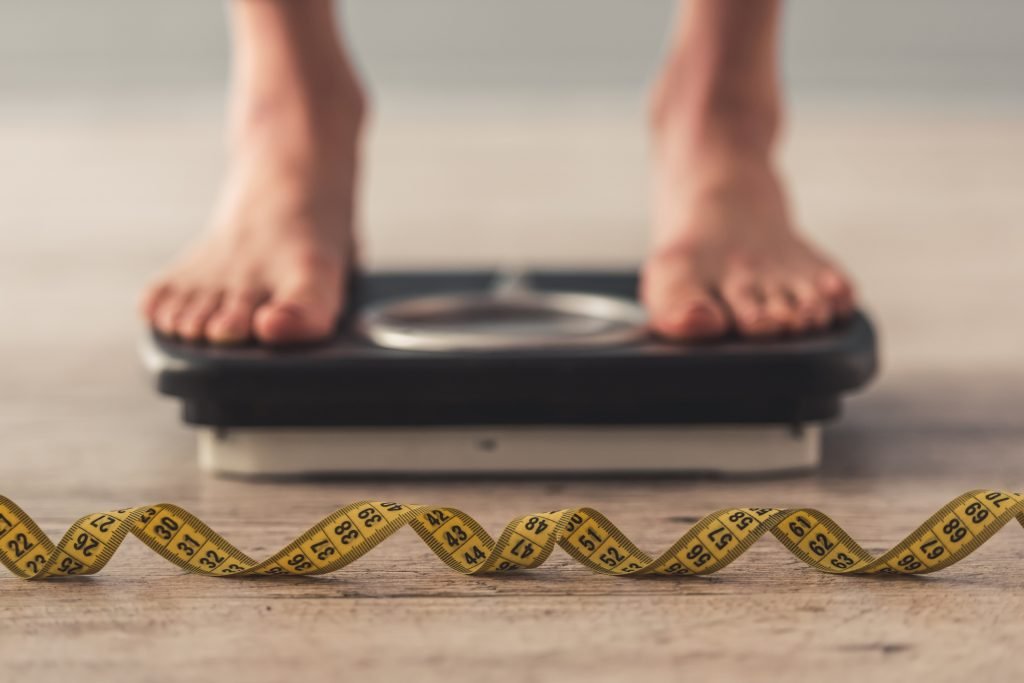
Somewhere along the way, “lose 10 pounds this week!” became a selling point instead of a warning sign. Detox teas, crash diets, and transformation challenges all profit from the idea that faster is better. So let’s establish the facts: what is a healthy amount of weight to lose per week? For most people, 1-2 pounds. Here’s why that seemingly slow pace is actually the fast track — and why faster usually backfires.
Where the 1-2 Pound Guideline Comes From
The math is straightforward. A pound of body fat stores roughly 3,500 calories. Losing 1-2 pounds weekly requires a daily deficit of 500-1,000 calories through some combination of eating less and moving more. That deficit is large enough to produce steady fat loss but small enough to preserve muscle, keep hunger manageable, and sustain your metabolism.
The CDC and virtually every major medical organization endorse this range — not because they’re being cautious, but because the evidence consistently shows it produces better long-term results. People who lose weight gradually keep it off at dramatically higher rates than rapid losers. Slow isn’t the consolation prize; it’s the winning strategy.
Why Faster Weight Loss Backfires
Crash diets that promise 5+ pounds a week aren’t melting fat at superhuman speed — they’re doing several things you don’t want:
- Muscle loss. Aggressive deficits burn significant muscle alongside fat. Less muscle means a slower metabolism, which means regaining weight becomes almost inevitable. This is the physiological trap behind yo-yo dieting.
- Metabolic adaptation. Severe calorie restriction triggers your body to burn fewer calories — “starvation mode” is overstated in pop culture but the underlying adaptation is real and measurable.
- Gallstones. Very rapid weight loss significantly increases gallstone risk. It’s one of the least glamorous and most common complications of crash dieting.
- Nutrient deficiencies. You can’t meet micronutrient needs on 1,000 calories a day without meticulous planning most people won’t do.
- Psychological burnout. Extreme restriction breeds obsession, binge rebound, and a wrecked relationship with food. The diet that makes you miserable for a month and then quit was never going to work.
- Hair loss, fatigue, hormonal disruption. Your body prioritizes survival over aesthetics when calories crash — hair, hormones, and energy are early casualties.
The exception: people with significant obesity under medical supervision sometimes lose faster initially, often with clinical programs or medication. That’s medicine, not a DIY plan.
What Healthy Weekly Loss Looks Like in Practice
A sustainable 1-2 pounds per week typically involves:
- A moderate calorie deficit (500-750 daily for most people) — enough to lose, not enough to suffer
- Protein at every meal to protect muscle (0.7-1g per pound of body weight)
- Strength training 2-3 times weekly — muscle preservation is non-negotiable
- Daily movement beyond workouts: walking, stairs, general activity
- Sleep 7-9 hours — sleep deprivation increases hunger hormones and sabotages fat loss directly
- Fiber-rich whole foods that keep you full on fewer calories
Expect the scale to fluctuate 2-4 pounds day to day from water, glycogen, and food volume. Judge progress by 2-4 week trends, not daily readings. And measure more than weight — waist circumference, how clothes fit, and energy levels tell the real story.
If belly fat is your specific concern, our guide to losing belly fat safely covers the targeted strategies. And if you’re considering structured approaches, intermittent fasting for beginners can be a sustainable framework for maintaining that moderate deficit.
The First Two Weeks Are Weird (That’s Normal)
Many people lose 3-5 pounds in week one and then panic when week three shows half a pound. Week one is mostly water and glycogen — each gram of stored carbohydrate holds 3-4 grams of water, so depleting glycogen drops water weight fast. It’s real weight but not real fat loss. The 1-2 pound guideline describes fat loss pace after that initial whoosh. Don’t chase week-one numbers; they’re a mirage.
When to Adjust
Losing nothing after 3-4 consistent weeks? Your deficit is smaller than you think — food tracking for a week usually reveals the gap (oils, beverages, and “just a bite” portions are the usual suspects). Losing much more than 2 pounds weekly for several weeks running? Eat a bit more — you’re likely sacrificing muscle. Feeling constantly exhausted, losing hair, or always cold? Those are under-fueling signals; increase intake regardless of what the scale says.
What Is a Healthy Amount of Weight to Lose Per Week? Your Questions Answered
Why did I lose 5 pounds the first week but nothing the second?
Week one is mostly water and glycogen, not fat. When you cut calories (especially carbs), your body burns through stored glycogen — and each gram of glycogen holds 3-4 grams of water. Depleting it drops several pounds of water weight fast. It’s real weight, but it’s not fat loss, and it doesn’t repeat. Week two onward shows your true fat-loss rate: 1-2 pounds weekly. The people who panic at week two (“it’s stopped working!”) misunderstand what week one was. Judge the trend over 4 weeks, not the drama of week one.
Should the rate be different for men vs. women?
The 1-2 pound guideline applies to both, but larger people (of any sex) can safely lose faster in absolute terms — 2 pounds is a smaller percentage for a 300-pound person than a 150-pound person. Men often lose faster initially due to higher muscle mass and metabolic rate, but the sustainable principles are identical. Women should note that hormonal cycles cause 2-5 pound water fluctuations that can mask fat loss for weeks — comparing weights at the same cycle phase gives a truer picture. The scale lies; the trend tells the truth.
Is it safe to lose weight while breastfeeding or pregnant?
Pregnancy is not the time for weight loss — focus on nutritious eating and your doctor’s weight-gain guidelines. While breastfeeding, gradual weight loss (about 1 pound per week) is generally considered safe after milk supply is established, but aggressive dieting can reduce milk production and isn’t recommended. Nutrient needs are elevated during breastfeeding, so any calorie reduction should be modest and food quality should stay high. This is firmly a “discuss with your doctor” situation, not a DIY diet moment.
The Bottom Line
A healthy rate of weight loss is 1-2 pounds per week — fast enough to see real change within a month, slow enough to keep muscle, metabolism, and sanity intact. Anyone promising dramatically faster results is selling something that either doesn’t work or works at a cost. Play the long game: moderate deficit, plenty of protein, strength training, good sleep. A year of 1.5 pounds weekly is 78 pounds. That’s not slow — that’s transformative.


