
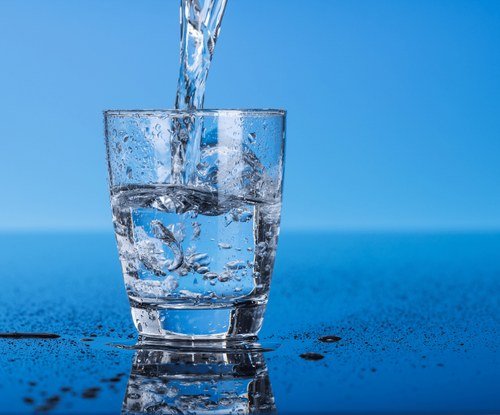
“Drink eight glasses a day.” You’ve heard it forever. But how much water should you drink every day, really? The honest answer is more interesting than the rule: it depends on you — your size, your activity, your climate, your diet. The 8-glass rule isn’t exactly wrong, but it’s a blunt instrument for a personal question. Let’s get precise.
How Much Water Should I Drink Every Day? What Science Says
The U.S. National Academies set adequate intake at about 3.7 liters (125 oz) daily for men and 2.7 liters (91 oz) for women — but that’s total water, including food. Fruits, vegetables, soups, even coffee contribute; food typically provides ~20% of intake. So the “drink this much” number is lower than the headline figures suggest.
The Mayo Clinic’s guidance on daily water intake emphasizes individual factors over fixed rules: exercise a lot, live somewhere hot, run a fever, or breastfeed, and needs rise substantially. A 120-pound office worker in air conditioning and a 200-pound construction worker in Texas do not share a hydration target — obviously, yet the 8-glass rule pretends they do.
The Better Rule: Listen to Your Body (Mostly)
For healthy adults, thirst is actually a decent guide — the “drink before you’re thirsty” panic is overstated for everyday life. (Athletes doing long endurance efforts are the exception; they need planned hydration.) Two better signals:
- Urine color: Pale straw = well hydrated. Dark yellow = drink more. Clear as water constantly = you might be overdoing it. It’s free, instant, and surprisingly accurate.
- How you feel: Headaches, fatigue, and brain fog are classic signs of dehydration — before reaching for another coffee (see what science says about coffee), try water first.
Build the habit structurally: a glass with each meal, a bottle at your desk, water before coffee in the morning. Habit beats willpower — you won’t “remember to hydrate” through good intentions alone.
When to Drink More (and When to Ease Off)
Drink more when: exercising (before, during, after), in heat or at altitude, when sick (especially fever, vomiting, diarrhea), during pregnancy and breastfeeding, and on high-protein or high-fiber diets. Older adults should be more deliberate — thirst perception dulls with age, making scheduled drinking smarter than relying on signals.
Can you drink too much? Yes — hyponatremia (water intoxication) is real, though rare outside endurance athletes and extreme overconsumption. If you’re forcing down gallons beyond thirst with clear urine and headaches, back off. More isn’t always better; enough is the target.
Hydration Myths, Busted
Water advice is drowning in myths. Let’s clear the worst ones.
Myth: “Coffee dehydrates you.” Busted — for regular drinkers. Caffeine is a mild diuretic, but coffee’s water content far outweighs it. Studies show coffee hydrates comparably to water in habitual drinkers. Your morning cup counts (see [[i:153|the coffee science]]).
Myth: “You need 8 glasses, exactly.” Busted — as covered above, needs are individual. The 8-glass rule has no scientific origin (it appears to derive from a misread 1945 recommendation that included food water). Useful heuristic, terrible law.
Myth: “Clear urine means perfect hydration.” Busted — consistently crystal-clear urine often means overhydration. Pale straw is the target; clear is overshooting. More isn’t better.
Myth: “Sports drinks are necessary for any workout.” Busted for most exercise under an hour — water suffices. Electrolyte drinks earn their place in prolonged sweating (90+ minutes, heat), not 30-minute gym sessions. Most sports drink consumption is just sugary water with marketing.
Myth: “Alkaline/structured/special water is healthier.” Busted — your stomach acid neutralizes alkaline water instantly, and no credible evidence supports premium water health claims over clean tap water. Save your money; buy a filter if your tap tastes bad.
Myth: “Thirst means you’re already dangerously dehydrated.” Overstated — thirst is an early warning, not an emergency siren. For daily life, drinking to thirst works fine for most healthy adults. (Endurance athletes and older adults are the exceptions who need planned drinking.) The throughline: hydration is simple, and the industry built around complicating it profits from your confusion. Drink water, watch the color, adjust for activity and heat. Everything else is noise.
Hydration FAQs
Does sparkling water hydrate as well as still?
Yes — carbonation doesn’t affect hydration. The one caveat: some people drink less sparkling water because it’s more filling, so if it reduces your total intake, still is better for you. Otherwise, drink whichever you’ll actually consume. Hydration you do beats hydration you don’t.
How much water should kids drink?
General guidance: 4-8 cups daily depending on age (4-8 years: ~5 cups; 9-13: ~7-8 cups; 14+: ~8-11 cups), more with activity and heat. Kids are worse at recognizing thirst and overheat faster — offer water proactively rather than waiting for requests, especially during play and sports.
Can drinking water help with weight loss?
Modestly — drinking water before meals reduces calorie intake in studies (the stomach-fullness effect), and replacing caloric beverages with water is one of the highest-ROI dietary swaps. It’s not magic, but as part of [[i:151|a fat-loss plan]], it’s a genuine contributor. Cold water’s “metabolism boost” is real but trivially small — drink it for the satiety, not the thermogenesis.
What Counts (and What Doesn’t)
Coffee and tea count — the “caffeine dehydrates you” claim is mostly myth for regular drinkers; they’re net hydrating. Sparkling water counts. Fruits and vegetables count significantly (cucumber and watermelon are ~95% water). Alcohol doesn’t count — it’s a diuretic, net negative. Sugary sodas “count” technically but bring their own problems.
The bottom line: forget 8 glasses as gospel. Aim for pale-yellow urine, drink with meals and around exercise, keep water accessible, and adjust for your body and your day. It’s the simplest health habit there is — and it pairs with immune-supporting foods and skin-friendly nutrition as the unglamorous foundation everything else builds on. Drink water. Your body already knows how much; you just have to pay attention.
Hydration and Exercise: The Pairing
Water and movement amplify each other: even mild dehydration measurably reduces exercise performance and increases perceived effort — the workout feels harder than it should. Pre-hydrate before exercise (16-20oz in the preceding 2-3 hours), sip during, and rehydrate after. Post-workout, don’t just chug plain water if you sweated heavily — include some sodium (a normal meal covers it) to actually retain the fluid. The athletes who bonk mid-workout are often just under-hydrated, not under-trained. Drink like performance depends on it — because it does.


