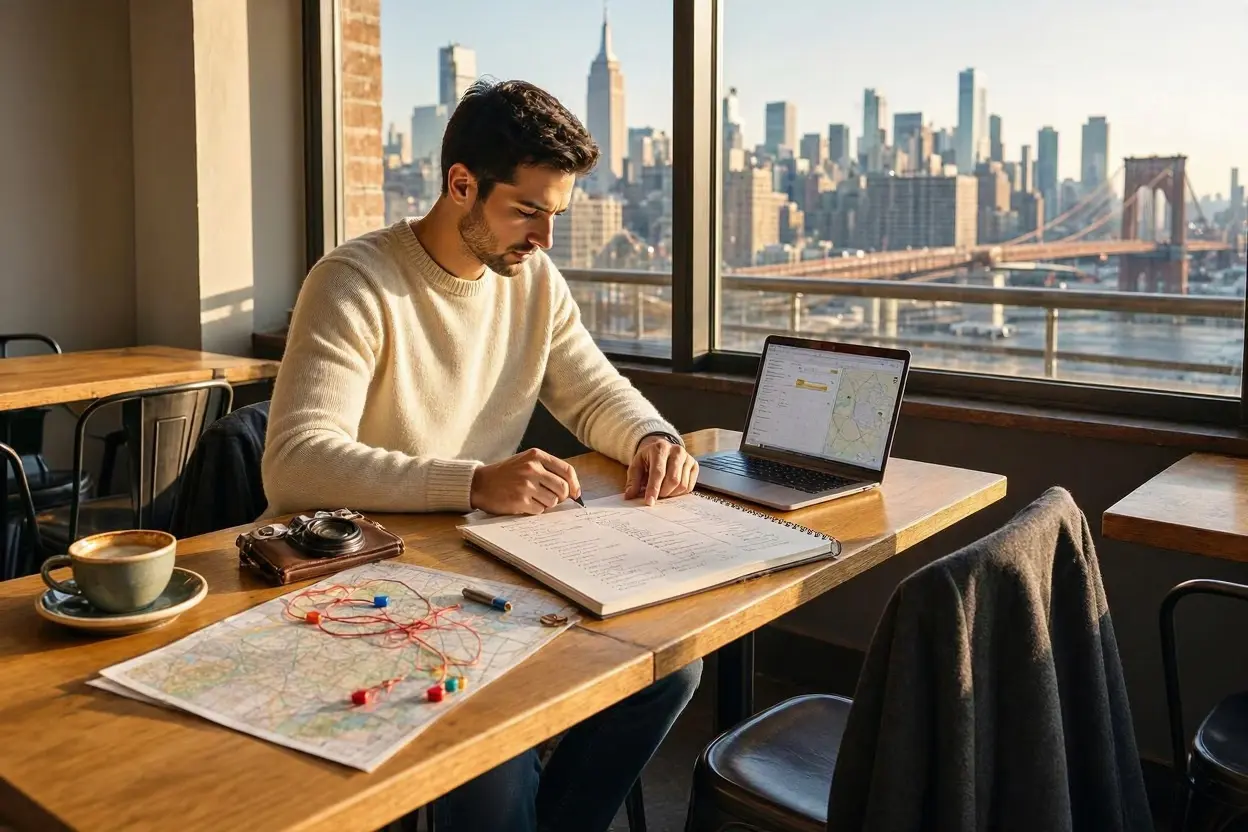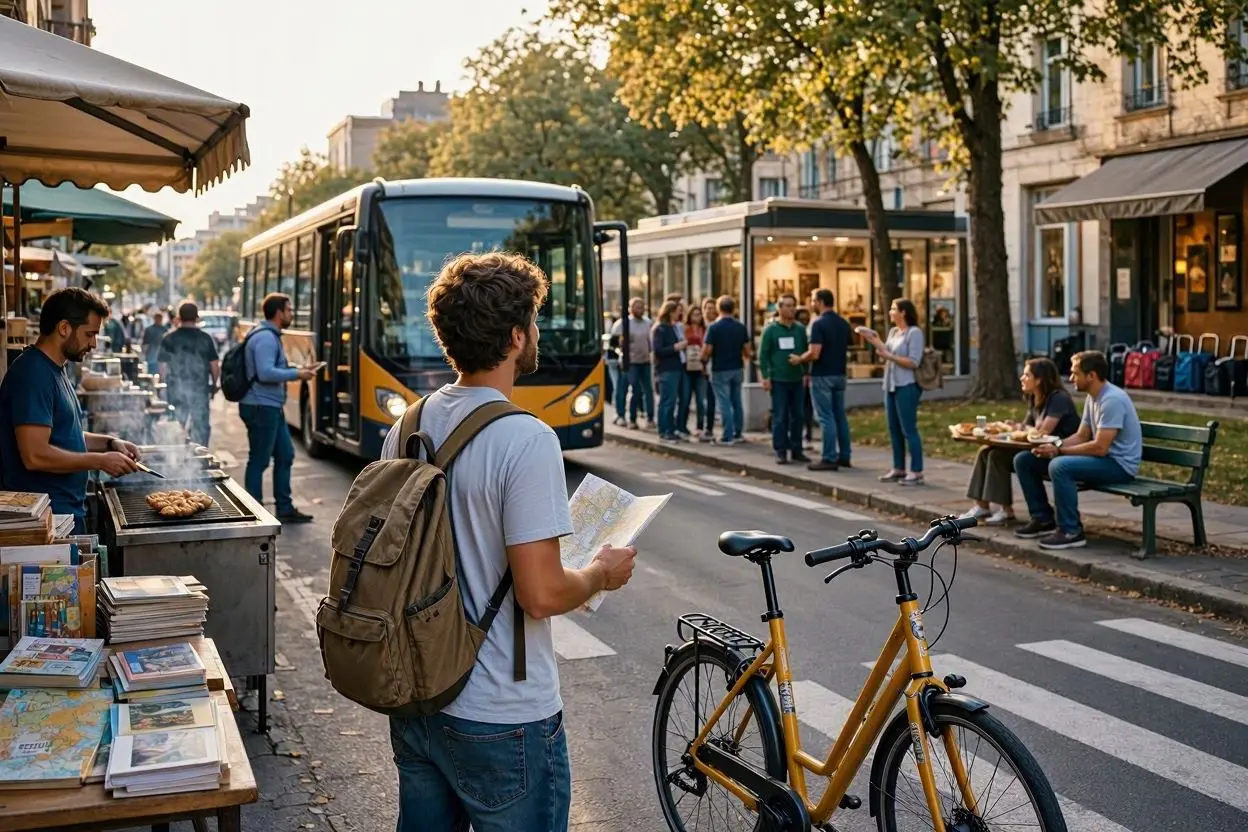
Exploring a new city can be one of the most exciting parts of traveling, but it does not always have to be expensive. Many travelers assume that enjoying a new destination means staying in expensive hotels, eating at fancy restaurants, and paying for every tourist attraction. In reality, some of the best city experiences cost very little or nothing at all.
With a little planning, you can discover local neighborhoods, try affordable food, use public transportation, and visit interesting places without putting too much pressure on your travel budget.
Whether you are planning a weekend getaway, a solo trip, or a longer vacation, these simple tips can help you explore a new city on a small travel budget.
1. Stay in an Affordable Area
Accommodation can quickly become one of the biggest expenses during a trip. Instead of booking the most popular hotel in the city center, look for budget-friendly options slightly outside the main tourist area.
Hostels, guesthouses, small local hotels, and budget apartments can often provide comfortable places to stay at lower prices. You can also compare different neighborhoods before booking because prices may change significantly from one area to another.
However, do not choose accommodation based only on the cheapest price. Check its distance from public transportation, restaurants, grocery stores, and major attractions. Saving money on a room is not useful if you end up spending a lot on taxis every day.
2. Use Public Transportation
One of the easiest ways to save money while traveling is to use public transportation instead of taxis or private cars.
Buses, trains, metro systems, and local transport services are usually much cheaper than taking a taxi for every trip. They can also give you a better idea of how locals move around their city.
Before arriving, research the city’s transportation system and check whether it offers daily or weekly travel passes. A pass can sometimes be much cheaper if you plan to visit several places in one day.
Walking is another excellent option when attractions are close together. It costs nothing and allows you to discover streets, shops, parks, and small cafés that you might otherwise miss.
3. Explore the City on Foot
Some of the best city experiences happen when you simply walk around without a strict schedule.
Choose an interesting neighborhood and spend a few hours exploring it. Look for historic buildings, local markets, street art, public squares, parks, and small shops.
Walking tours are also useful for travelers on a budget. Some cities have free walking tours led by local guides. These tours can introduce you to the city’s history and popular landmarks without the cost of a traditional private tour.
If a tip is expected, you can usually decide what you can comfortably afford.
4. Look for Free Attractions
You do not need to pay an entrance fee to enjoy a city.
Many destinations have free parks, public gardens, historic streets, viewpoints, beaches, cultural areas, libraries, and public events. Museums may also have free admission days or discounted hours.
Before your trip, search for phrases such as:
- Free things to do in [city]
- Free attractions in [city]
- Cheap activities in [city]
- Free museums in [city]
- Free walking tours in [city]
- Affordable places to visit in [city]
Making a list of free attractions can help you create a fun itinerary without spending much money.
5. Eat Like a Local
Food can take up a large part of a travel budget, especially if you eat at restaurants located near major tourist attractions.
Instead, try local cafés, small family-owned restaurants, food markets, bakeries, and street food stalls. These places often offer authentic meals at much lower prices.
You can also ask locals where they usually eat. A restaurant filled with local residents may offer better value than a place designed mainly for tourists.
If your accommodation has a kitchen, buying a few groceries and preparing breakfast or a simple meal yourself can save even more money.
6. Visit Local Markets
Local markets are a great way to experience a new city without spending a fortune.
You can find inexpensive food, fresh fruit, snacks, handmade products, clothing, and other local items. Even if you do not buy anything, walking through a busy market can be an interesting cultural experience.
Markets are particularly useful when you want to experience local culture on a budget. They give you a chance to see what people eat, buy, and sell in everyday life.
7. Avoid Tourist Traps
Popular tourist areas can be convenient, but they are often more expensive.
Restaurants close to famous landmarks may charge considerably more than similar restaurants a few streets away. Souvenir shops in busy tourist zones can also have higher prices.
You do not have to avoid famous attractions completely. Instead, be smart about where you spend your money.
Walk a few blocks away from the busiest area, compare prices, and check reviews before buying anything.
8. Take Advantage of Free City Events
Many cities organize free events throughout the year. These can include outdoor concerts, cultural festivals, art exhibitions, public performances, community markets, and seasonal celebrations.
Check the city’s official tourism website, local event calendars, and community pages before your visit.
A free local event can sometimes become one of the most memorable parts of a trip because it allows you to experience the city in a more natural way.
9. Travel During the Off-Season
Travel dates can have a major impact on your overall budget.
Hotels, flights, and attractions are often more expensive during peak travel periods. If your schedule is flexible, consider visiting during the shoulder season or another less busy period.
You may get cheaper accommodation, fewer crowds, and a more relaxed experience.
Before booking, compare prices across different dates. Moving your trip by just a few days can sometimes make a noticeable difference.
10. Create a Daily Spending Limit
A simple daily budget can prevent unnecessary spending.
For example, decide how much you can spend on food, transportation, activities, and shopping each day. You do not have to follow the plan perfectly, but having a limit makes it easier to control your expenses.
You can divide your budget into categories such as:
- Accommodation
- Food
- Transportation
- Attractions
- Shopping
- Emergency expenses
Keep a small amount aside for unexpected costs instead of spending your entire budget every day.
11. Use Travel Apps and Maps Wisely
Your smartphone can become a useful travel tool without costing much.
Offline maps can help you navigate without using expensive mobile data. Travel apps can also help you compare transportation routes, find inexpensive restaurants, check opening hours, and discover nearby attractions.
Download important maps and travel information before leaving your hotel or accommodation, especially if you are traveling internationally.
12. Spend Money on Experiences That Matter to You
Traveling on a small budget does not mean avoiding every paid activity.
Instead, choose carefully.
If there is one attraction, museum, food experience, or activity that you really want to try, make room for it in your budget. Then balance that expense with free or inexpensive activities during the rest of the day.
For example, you might spend money on a famous museum in the morning and explore a free historic neighborhood or public park afterward.
The goal is not to spend as little as possible. The goal is to get the most value from your travel budget.
13. Talk to Local People
Locals can often give you better recommendations than expensive travel guides.
Ask your hotel receptionist, hostel staff, shop owners, or other travelers where you can find affordable food and interesting places nearby.
You may discover a small restaurant, quiet viewpoint, local market, or inexpensive activity that is not listed in typical tourist guides.
A friendly conversation can also make your trip feel more personal.
14. Pack Smart
Small purchases can add up during a trip.
Packing a reusable water bottle, comfortable walking shoes, snacks, a power bank, and weather-appropriate clothing can help you avoid unnecessary purchases.
If you are staying somewhere with a kitchen or refrigerator, having a few basic snacks with you can also reduce the temptation to buy expensive food while sightseeing.
15. Make a Flexible Itinerary
A detailed itinerary can be useful, but filling every hour with paid activities can quickly become expensive.
Instead, choose a few must-see places and leave some free time for spontaneous exploration.
You might discover a beautiful park, interesting neighborhood, local café, or street market simply by walking around. These unexpected discoveries are often free and can become some of your favorite travel memories.
Final Thoughts
You do not need a large travel budget to enjoy a new city. With thoughtful planning, you can find affordable accommodation, use public transportation, eat local food, explore neighborhoods on foot, and enjoy plenty of free attractions.
The best way to explore a new city on a small travel budget is to focus less on expensive tourist experiences and more on discovering how the city actually feels and functions.
A limited budget can even make a trip more interesting. Instead of simply moving from one expensive attraction to another, you get the opportunity to slow down, talk to locals, explore hidden corners, and experience the destination in a more authentic way.
Relevant Keywords
- best ways to explore a new city on a small travel budget
- how to explore a city on a budget
- budget travel tips
- affordable city travel
- how to travel cheaply
- cheap things to do in a new city
- ways to save money while traveling
- affordable travel ideas
- budget-friendly travel tips
- how to explore a city cheaply
- free things to do in a city
- cheap places to visit
- traveling on a small budget
- how to save money on vacation
- budget-friendly city exploration
- affordable travel activities
- travel tips for beginners
- how to experience local culture on a budget
- cheap travel ideas
- low budget travel tips
FAQs
1. How can I explore a new city on a small budget?
You can explore a new city cheaply by using public transportation, walking, staying in affordable accommodation, eating at local restaurants, visiting free attractions, and taking advantage of free events.
2. What is the cheapest way to get around a new city?
Walking is usually the cheapest option. When destinations are farther apart, public buses, trains, and metro systems are generally more affordable than taxis or private transportation.
3. How can I save money on food while traveling?
Eat at local restaurants, markets, bakeries, and food stalls instead of expensive tourist restaurants. Buying groceries and preparing simple meals can also reduce food costs.
4. What are some free things to do in a new city?
Free activities may include walking through historic neighborhoods, visiting public parks, exploring markets, attending free events, viewing public art, and joining free walking tours.
5. Is it possible to travel with a very small budget?
Yes. Budget travel is possible when you carefully manage accommodation, transportation, food, and activities. Choosing free experiences and avoiding unnecessary purchases can make a significant difference.
6. Should I stay outside the city center to save money?
Often, yes. Accommodation outside the main tourist area can be cheaper. However, make sure the area has convenient public transportation so that you do not spend your savings on transportation.
7. How can I experience local culture without spending much money?
Visit local markets, walk through residential neighborhoods, attend community events, use public transportation, eat local food, and talk with residents. These experiences can be inexpensive or completely free.
8. What is the best budget travel tip for beginners?
Plan your major expenses before your trip and set a realistic daily spending limit. At the same time, leave some room for unexpected experiences and expenses.