
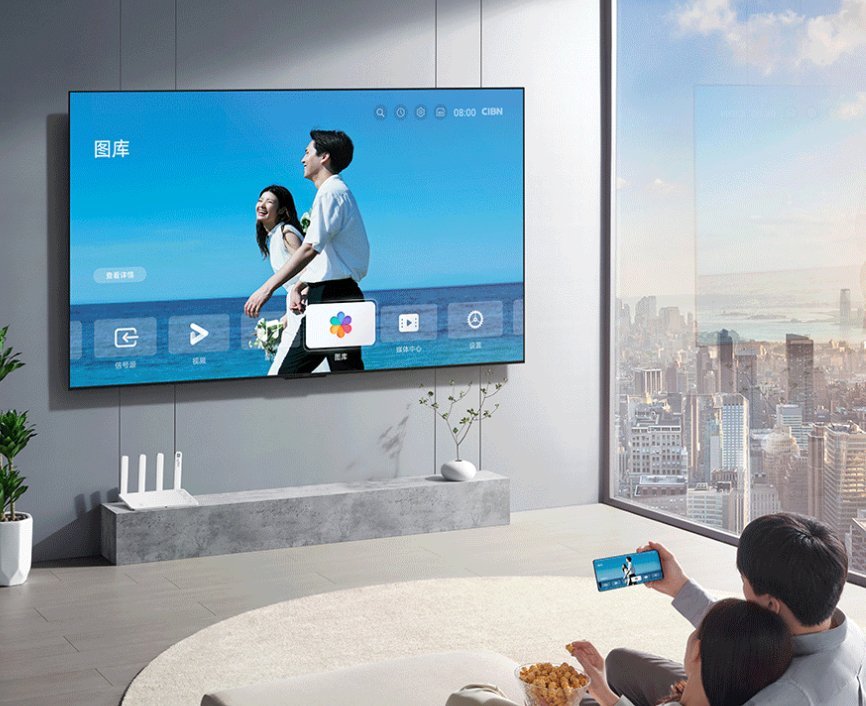
Nobody wants to huddle around a six-inch screen when there's a 55-inch TV right there. So how do I connect my phone to my TV wirelessly? It's easier than the settings menus make it look.
So, how do I connect my phone to my TV wirelessly? I went down the rabbit hole on this one so you don't have to. Here's everything worth knowing, minus the fluff.
The No-Fluff Answer
iPhone users: swipe into Control Center, tap Screen Mirroring, and select your Apple TV or AirPlay-compatible smart TV — both devices must be on the same WiFi network. Android users: use the Cast button in supported apps (YouTube, Netflix) with any Chromecast or Chromecast built-in TV, or use Smart View / Wireless Display for full screen mirroring on Samsung and other brands. A $30 Chromecast dongle adds casting to any TV with an HDMI port.
That's the short version. Now let's get into the parts that actually affect your wallet and your day.
You might also want to check out Can I use a Bluetooth speaker with my smart TV.
For the official word, check Apple's official guide to using AirPlay, which lays out the details straight from the source.
How Do I Connect My Phone to My TV Wirelessly? The Complete Guide
- AirPlay (iPhone): Control Center > Screen Mirroring > select your TV. Works with Apple TV and most smart TVs made after 2019.
- Pay attention here: Chromecast (Android): tap the Cast icon inside apps like YouTube or Spotify — no mirroring needed, and your phone stays usable.
- Full Android mirroring: Samsung's Smart View or the generic 'Wireless display' option in Settings mirrors everything on screen.
- The part nobody mentions: Both devices must share the same WiFi network — this single requirement causes 90% of connection failures.
- What surprised me: For older TVs, a Chromecast ($30) or Fire TV Stick ($25–$40) adds wireless casting to any HDMI port.
A Concrete Example
Movie night at my place: my friend's iPhone mirrored to my TV via AirPlay in about ten seconds. When the WiFi hiccuped and it wouldn't connect, switching both devices to the 5GHz band fixed it instantly.
Fixing the Annoying Connection Issues
Let’s talk about the DIY-versus-pro question, because it comes up constantly. The internet makes everything look easy — a ten-minute video, a $20 kit, and you’re supposedly set. Sometimes that’s genuinely true. But the videos never show you the three hours of troubleshooting, the stripped screw, or the part that arrives broken. My rule of thumb: if a failed DIY attempt would cost you more than the pro would have charged in the first place, just hire the pro. Your time has value, and so does your sanity.
That said, there’s real satisfaction in fixing something yourself, and plenty of tech tasks are genuinely beginner-friendly once you know which ones. The trick is matching the job to your actual skill level, not the skill level of the YouTuber who does it for a living. Start small, read the comments (that’s where the real warnings live), and have a plan B before you open anything up.
Let me save you from the most common tech-buying regret: buying for the person you wish you were instead of the person you actually are. The pro camera you’ll “learn photography” with, the smartwatch for the workouts you’ll “definitely start,” the high-end laptop for hobbies that never materialize — we’ve all been there. Buy for your real life, not your aspirational one. Your real life is where the thing has to earn its keep.
On the flip side, don’t cheap out on the things you touch every day. The device you stare at for six hours daily, the chair you sit in, the headphones on your commute — a little extra here pays you back in comfort every single day. Splurge where the hours go, save where they don’t. That’s the whole philosophy, and it’s never steered me wrong.
Worth a read next: Which streaming device is best for an older TV.
Advice That Saves You Headaches
- A small thing that makes a big difference — restart both the phone and the TV if they can't see each other — it fixes the problem embarrassingly often.
- This one's easy to overlook: use the 5GHz WiFi band for smoother, lag-free mirroring.
- Here's one that saves people real money: for gaming or presentations, expect slight delay — wireless mirroring isn't instant.
- It's not glamorous, but it works: keep your TV's firmware updated; manufacturers quietly improve casting support over time.
Don’t Learn These the Hard Way
- The classic blunder: trying to connect while the phone is on mobile data or a different WiFi network than the TV. I've seen this one cost people time and money more times than I can count.
- This trips up beginners all the time: buying an expensive cable when a $30 dongle does the job wirelessly.
- This trips up beginners all the time: giving up after one failed attempt — toggling WiFi off and on usually resolves it.
A Few More Questions Answered
How do I know I'm getting a fair price?
Get three quotes. It's the oldest advice in the book because it works. You'll quickly see the going rate, and outliers in either direction tell you something — suspiciously cheap often means corners cut, while the priciest option isn't automatically the best. Ask what each quote includes so you're comparing apples to apples.
Can I do this myself, or should I get help?
It depends on your comfort level and what's at stake. Low-risk tasks with good tutorials are great DIY candidates. But if messing up would cost you the device, your data, or your warranty, that's the moment to call in someone experienced. There's no shame in it — pros exist for a reason, and their mistakes are their problem, not yours.
Is the cheapest option ever the right call?
Sometimes, but rarely for things you depend on daily. The cheapest option usually cuts something — quality, support, longevity, or all three. The sweet spot is almost always the mid-range: proven, reasonably priced, with real support behind it. Buy cheap twice and you've spent more than buying right once.
What I’d Do
AirPlay for iPhone, Chromecast for Android, same WiFi for both — that's genuinely all there is to it. Once it clicks, you'll wonder why you ever squinted at your phone.
At the end of the day, this is one of those things where a little homework pays off fast.
Worth a read next: How do I mirror my laptop screen to a smart TV.
One more useful resource: Google's Chromecast help center — worth bookmarking before you make any final decisions.


