How to Get Rid of Blackheads Without Damaging Skin
How to get rid of blackheads without damaging skin: the ingredients that truly work, a safe routine, proper extraction technique, and what to stop doing.
Written by admin
Published October 29, 2026
Reading time 6 minutes
Blackheads — those tiny dark dots across the nose, chin, and forehead — are one of the most misunderstood skin concerns. They are not dirt (scrubbing harder will not help), they are not a hygiene failure, and squeezing them with your fingernails is the fastest way to turn a minor cosmetic issue into inflamed, scarred skin. Blackheads are simply oxidized oil plugs in open pores, and they respond to chemistry, not force. This guide covers what blackheads actually are, the ingredients that clear them, and the methods that damage your skin.
What blackheads actually are
A blackhead (open comedo) forms when a pore clogs with sebum and dead skin cells but stays open to the air — the exposed plug oxidizes and turns dark. That is the entire story: not dirt, not infection, just oxidized oil. They concentrate in the T-zone because those areas have the most oil glands. Important distinction: many “blackheads” are actually sebaceous filaments — normal, healthy pore structures that look like tiny gray dots. Filaments are uniform, light gray, and reappear within days of extraction; true blackheads are darker, larger, and individually raised. You cannot permanently eliminate sebaceous filaments (they are part of your skin), and aggressive attempts to do so damage the surrounding tissue. Knowing which you have prevents over-treatment — the AAD’s acne treatment guidance explains the distinction dermatologists use.
The ingredients that actually work
Salicylic acid (BHA): the gold standard — oil-soluble, so it penetrates into the pore and dissolves the plug from within. A 2% salicylic acid leave-on product (used 2–3x/week to start) is the single most effective blackhead treatment — MedlinePlus’ drug information details its uses and precautions. Cleansers with salicylic acid help mildly, but leave-on formulas do the real work. Retinoids: increase cell turnover, preventing the dead-skin buildup that forms plugs — the long-term prevention strategy (adapalene is available OTC). Niacinamide: regulates oil production and minimizes pore appearance over time — a good supporting player. Clay masks: absorb surface oil temporarily — satisfying but superficial; they do not clear established blackheads, just reduce surface shine for a day. What does NOT work: pore strips (rip out filaments temporarily while irritating skin — the blackheads return within days), baking soda scrubs (disrupts skin pH), lemon juice (photosensitizing acid burn risk), and toothpaste (irritant with zero comedolytic action). If it sounds like a kitchen hack, it probably damages your barrier.
The safe routine (morning and night)
Morning: gentle cleanser, niacinamide serum (optional), lightweight moisturizer, SPF 30+. Sunscreen matters here — UV exposure worsens the oxidation that darkens blackheads, and many active treatments increase sun sensitivity. Evening: double cleanse (oil cleanser then water-based — removes the day’s sebum and sunscreen that contribute to clogging), BHA exfoliant 2–3x/week (or retinoid on alternate nights — not both at full strength initially), moisturizer. The patience requirement: BHA needs 4–6 weeks of consistent use to clear established blackheads; retinoids need 8–12 weeks. There is no overnight fix that does not involve damage. Skin responds to nutrition too — foods that support healthy skin (and limiting high-glycemic spikes, which some studies link to increased sebum) complement topical treatment. Hydration supports barrier function as well — how much water to drink daily covers the baseline.
Extraction: the safe way (and when to stop)
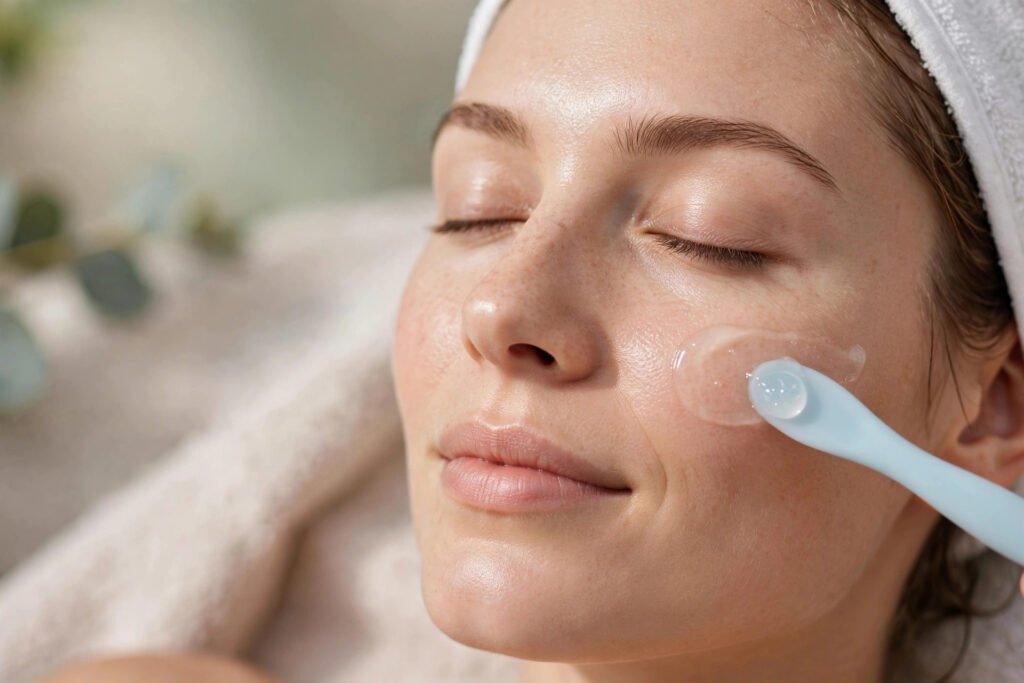
Professional extractions exist for a reason — estheticians have the tools, lighting, and technique. If you extract at home: only on clean skin after a warm shower (heat softens plugs); use a comedone extractor tool (disinfected with alcohol), never fingernails; apply gentle, even pressure around the blackhead — if it does not release with light pressure, leave it (forcing it ruptures the pore wall inward, causing inflammation and scarring); stop after 5–10 minutes; follow with a soothing, non-comedogenic moisturizer. Never extract: inflamed or painful bumps (those are not blackheads — squeezing spreads infection), anything near the eyes, or more than occasionally. The coffee question: does diet affect blackheads? Evidence is limited but suggestive for high-glycemic foods and dairy in some individuals — whether coffee is bad for your health covers caffeine’s actual effects, which are largely neutral for skin.
What damages skin (stop doing these)
Physical scrubs with rough particles: apricot-kernel and walnut-shell scrubs create micro-tears — the “squeaky clean” feeling is barrier damage. Over-exfoliation: using BHA daily plus a scrub plus a retinoid destroys the moisture barrier, causing the rebound oiliness and sensitivity people mistake for “purging.” Pore strips as a routine: occasional use is harmless; weekly use irritates and enlarges pore appearance over time. Picking with nails: introduces bacteria, causes post-inflammatory hyperpigmentation (dark marks that last months), and risks scarring — the number-one cause of blackhead-related skin damage is the treatment, not the blackhead. Ignoring moisturizer: oily, blackhead-prone skin still needs moisture — dehydrated skin overproduces oil, worsening the cycle. Use a lightweight, non-comedogenic moisturizer always.
Prevention: keeping them from coming back
Blackheads are chronic — management, not cure. The maintenance protocol: consistent BHA or retinoid use (not both at maximum strength), non-comedogenic products throughout your routine (check moisturizers and sunscreens — comedogenic SPF is a common culprit), double-cleansing every evening (never sleep in sunscreen or makeup), changing pillowcases 2–3x weekly (oil and bacteria accumulate), and keeping hair products off the forehead (pomades and oils migrate and clog). Diet and lifestyle support: balanced nutrition, adequate sleep, stress management (cortisol increases oil production). Accept that some visible pores are normal human skin — the goal is healthy, not poreless. Filter-perfect skin does not exist in real life.
When to see a dermatologist
Book a dermatologist if blackheads are widespread and unresponsive after 12 weeks of consistent BHA/retinoid use, if you are developing scarring or persistent inflammation, or if you suspect something else (fungal acne and rosacea mimic blackheads). Prescription-strength retinoids and professional treatments like chemical peels resolve stubborn cases safely.
Conclusion
Getting rid of blackheads without damaging your skin comes down to chemistry over force: salicylic acid to dissolve plugs from within, retinoids for long-term prevention, gentle consistent routines instead of aggressive scrubbing, safe extraction technique (or better, a professional) for stubborn ones, and the patience to let actives work over 4–12 weeks. Stop squeezing with fingernails, retire the pore strips as a habit, and treat the barrier as the asset it is. Clear skin is a long game — play it gently.
Frequently Asked Questions
What causes blackheads?
Open pores clogged with sebum and dead skin cells — the exposed plug oxidizes and turns dark. They are not dirt and not caused by poor hygiene; excess oil production and dead-skin buildup are the drivers.
Do pore strips actually work?
Temporarily — they pull out surface plugs but do not prevent reformation, and frequent use irritates skin. Salicylic acid addresses the cause; strips only address the symptom.
What is the difference between blackheads and sebaceous filaments?
Blackheads are darker, larger, individually raised clogged pores. Sebaceous filaments are normal, uniform light-gray dots — part of healthy skin that cannot be permanently removed. Most “blackheads” people obsess over are filaments.
Can I squeeze blackheads myself?
Occasionally, with proper technique: clean skin, warm shower first, disinfected extractor tool (never fingernails), gentle pressure only, and stop if it does not release easily. Forcing extraction causes inflammation and scarring.
How long does salicylic acid take to clear blackheads?
4–6 weeks of consistent use (2–3x/week to start). Retinoids take 8–12 weeks. There is no safe overnight fix — beware any product promising one.