
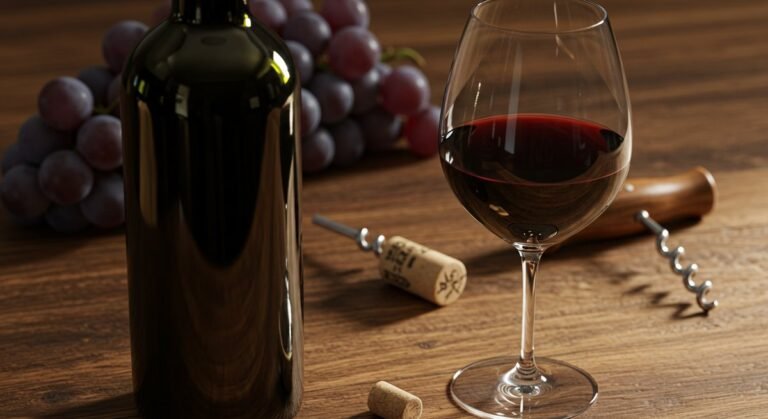
You open a bottle, have a glass or two, and now there’s half a bottle sitting on the counter slowly turning into vinegar. We’ve all poured good wine down the drain a few days later, and it always stings a little. The best way to store opened wine isn’t complicated, but there’s a lot of bad advice out there (no, the fridge doesn’t ruin red wine — that’s a myth we’ll kill below). Here’s what actually keeps wine drinkable, and for how long.
Why does opened wine go bad? Oxygen. The moment you pull the cork, oxidation begins — the same process that eventually turns wine to vinegar also, in small doses, helps wine “breathe” and open up. The first hour of oxygen is pleasant; after a day or two, it’s degradation. Every storage method is just a way to slow oxygen’s work.
What Is the Best Way to Store Opened Wine? The Core Method
1. Re-cork it and refrigerate — yes, even reds
This is the single most important thing: put opened wine in the fridge, red or white. Cold dramatically slows oxidation and bacterial activity. The idea that refrigeration “ruins” red wine is pure myth — cold doesn’t damage wine, it preserves it. Just take the red out 20–30 minutes before serving so it comes back to proper temperature. A re-corked bottle in the fridge keeps 3–5 days for most wines.
2. Minimize the air in the bottle
Less air = less oxidation. If you have a half bottle left, pour it into a smaller container (a clean half-bottle, a mason jar filled to the brim) before refrigerating. Less headspace means dramatically slower degradation. This is the highest-impact trick after refrigeration.
3. Keep it upright and away from light/heat
Upright minimizes the wine’s surface area exposed to air (once opened, the cork’s seal is compromised anyway). Keep it away from the stove, windowsills, and anywhere warm — heat accelerates every form of wine degradation.
How Long Does Opened Wine Actually Last?
- Light whites and rosés: 3–5 days refrigerated (pinot grigio, sauvignon blanc, rosé)
- Full-bodied whites: 3–5 days (oaked chardonnay holds well)
- Reds: 3–5 days refrigerated (lighter reds like pinot noir fade faster; big tannic reds like cabernet hold a bit longer)
- Sparkling wine: 1–3 days with a proper champagne stopper (a regular cork won’t hold the pressure — get a $10 sparkling wine stopper; it’s worth it)
- Fortified wines (port, sherry, madeira): 2–4 weeks — the higher alcohol preserves them beautifully
- Box wine: 4–6 weeks — the collapsing bladder keeps air out; it’s the best packaging for slow drinkers
These are “still enjoyable” timelines, not safety deadlines. Old opened wine won’t make you sick — it’ll just taste flat, dull, or vinegary. When in doubt, taste it. Your palate is the test.
Gadgets: What’s Worth It?
Vacuum pumps ($10–15): remove air from the bottle. They help modestly — maybe an extra day or two. Worth it if you regularly have half bottles. Inert gas sprays (argon): blanket the wine with heavier-than-air gas. More effective than pumps, pricier per use. Loved by serious wine people. Champagne stoppers: essential if you drink sparkling wine — non-negotiable, buy one. What to skip: the expensive electronic “preservation systems” for casual drinkers. Re-cork + fridge + small container gets you 90% of the benefit for free.
What to Do With Wine That’s Past Its Prime
Don’t pour it out — cook with it. Wine that’s too flat to drink is still perfect for:
- Deglazing pans — the foundation of great pan sauces
- Stews and braises — coq au vin, beef bourguignon, lasagna sauce
- Risotto — a cup of white wine is traditional and transformative
- Freezing for cooking: pour leftover wine into ice cube trays and freeze — wine cubes for cooking keep months. (Don’t freeze wine you plan to drink; it survives, but the texture suffers.)
- Red wine vinegar: if you’re adventurous, add a vinegar mother and let it convert — homemade vinegar from leftover wine is genuinely excellent
One rule: never cook with wine you wouldn’t drink — “cooking wine” from the grocery aisle is salted swill. But wine that’s merely a day past its drinking prime? That’s cooking gold.
Serving Opened Wine Right
Reds from the fridge need 20–30 minutes to warm to serving temp (60–65°F is ideal — “room temperature” was defined in drafty French châteaux, not modern heated homes). Whites can be served straight from the fridge. If a red tastes tight or closed after storage, decant it or just swirl vigorously — a little air reawakens it. And if you’re hosting, my holiday dinner guide covers wine pairing logic for big meals.
The Practical Takeaway
Storing opened wine = re-cork, refrigerate (even reds), minimize air with a smaller container, drink within 3–5 days (longer for fortified, shorter for sparkling). Cook with what’s past its prime.
The fridge is your wine’s best friend after opening. Everything else is optimization. Stop leaving bottles on the counter — your wine (and your wallet) will thank you.
Buying Smarter: Avoiding the Half-Bottle Problem
The best storage strategy is needing less of it. If you regularly drink one glass at a time, consider half bottles (375ml) — two glasses, no leftovers, no waste. Many good wines now come in cans and single-serve bottles, and the quality has improved dramatically in recent years; don’t snob them. Box wine deserves a real second look too — the vacuum-sealed bladder keeps wine fresh for a month+, the value is excellent, and several producers now put genuinely good wine in boxes. And for households where one person drinks red and the other white, the Coravin-style preservation systems that pour without removing the cork are the ultimate solution — pricey upfront, but they pay for themselves if you’re opening $30+ bottles regularly. Match your buying format to your drinking habits and the storage problem mostly disappears.
One last myth to retire: the idea that wine goes bad the moment it’s opened. A good bottle evolves over days, and some reds are actually better on day two — the extra air softens tannins and opens up flavors that were tight on night one. So don’t rush to finish every bottle in one sitting out of fear. Store it right, taste it tomorrow, and you might discover your wine has a second act worth waiting for.


