
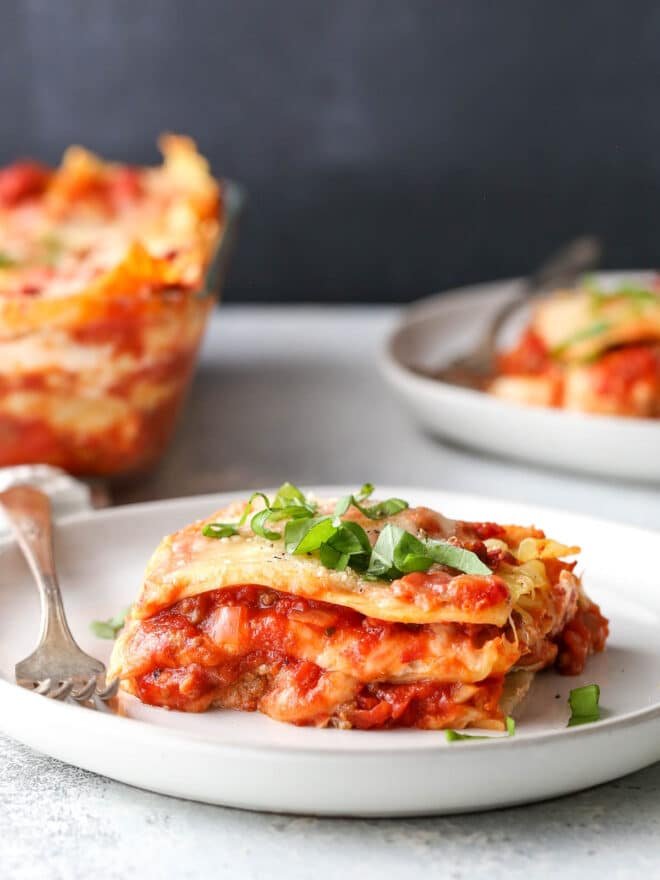
Lasagna has a reputation for being a project — and honestly, it kind of is. But it’s a project with an enormous payoff: layers of rich meat sauce, creamy béchamel, tender pasta, and a golden, bubbling cheese top that makes the whole table go quiet. Learning how to make a classic lasagna from scratch is one of those cooking milestones that permanently upgrades your reputation. And once you understand the architecture, it’s more assembly than actual difficulty.
A quick note on authenticity: the “classic” here is Italian-American style — meat ragù, ricotta, mozzarella — the lasagna most Americans grew up loving. True Bolognese lasagne uses béchamel instead of ricotta, and I’ll show you that version too, because it’s arguably better.
How to Make a Classic Lasagna From Scratch: The Components
Lasagna is four components layered and baked. Make each one well and assembly is foolproof.
Component 1: The meat sauce (ragù)
- 1 lb ground beef + ½ lb Italian sausage (the sausage is the flavor secret)
- 1 onion, diced; 2 carrots, diced; 2 celery stalks, diced
- 4 garlic cloves, minced
- 1 can (28 oz) crushed tomatoes + 1 can (14 oz) tomato sauce
- 2 tbsp tomato paste
- 1 tsp dried oregano, 1 tsp basil, 2 bay leaves
- Salt, pepper, pinch of sugar, splash of red wine (optional but lovely)
- Olive oil
Brown the meats hard — don’t crowd the pan, let it actually sear. Remove, then soften the vegetables in the same pot. Add tomato paste and cook until darkened (this caramelizes it and removes the raw tinny taste). Deglaze with wine, add everything else, and simmer at least 45 minutes — an hour is better. The sauce should be thick, not watery. Watery sauce is the #1 cause of soupy lasagna, so simmer it down properly. Remove bay leaves, taste for salt.
Component 2: The cheese layer
Classic ricotta version: 15 oz whole-milk ricotta + 1 egg + ½ cup grated parmesan + 2 tbsp chopped parsley + salt and pepper. The egg binds it so it doesn’t weep. Use whole-milk ricotta — the low-fat stuff is grainy and watery. If your ricotta seems wet, drain it in a cheesecloth-lined sieve for 30 minutes.
Béchamel version (my preference): 4 tbsp butter + ¼ cup flour + 3 cups warm milk + nutmeg + salt. Make a roux, whisk in warm milk gradually, simmer until thick enough to coat a spoon. Silky, luxurious, and it never goes grainy. This is the northern Italian way and it’s worth the extra 10 minutes.
Component 3: The pasta
You have three options. No-boil noodles are the easiest — but they need plenty of sauce moisture to hydrate, so don’t skimp on sauce. Regular noodles, boiled to very al dente (2 minutes less than the package says — they’ll cook more in the oven), laid out on oiled parchment so they don’t stick. Fresh pasta sheets — the luxury option, no boiling needed, meltingly tender result. Whichever you choose, the noodles should be a structural layer, not the star.
Component 4: The mozzarella
1 lb low-moisture mozzarella, shredded by hand. Pre-shredded cheese contains anti-caking starch that prevents smooth melting — grating a block takes two minutes and melts infinitely better. Save some for the top.
Assembly: The Layer Order
In a 9×13 baking dish:
- Thin layer of meat sauce on the bottom (prevents sticking)
- Noodles (slight overlap)
- ⅓ of the ricotta/béchamel, spread evenly
- ⅓ of the meat sauce
- Handful of mozzarella
- Repeat layers twice more
- Final layer: noodles + remaining meat sauce + generous mozzarella + parmesan on top
Don’t overfill — leave about half an inch at the top or it’ll bubble over. Tent loosely with foil (spray the foil with oil so cheese doesn’t stick).
Baking and the Crucial Rest
Bake covered at 375°F for 25 minutes, then uncovered for 25–30 minutes until the top is golden and the edges are bubbling. Here’s the hard part: rest it 15–20 minutes before cutting. I know it smells incredible. I know everyone is hungry. But cutting immediately gives you lasagna soup — the layers need time to set. Tent it with foil and wait. This rest is the difference between clean, gorgeous slices and a delicious puddle.
Troubleshooting
- Soupy lasagna: Sauce was too thin, ricotta too wet, or you skipped the rest. Fix all three next time.
- Dry lasagna: Not enough sauce, or no-boil noodles without adequate moisture. Be generous with sauce.
- Burnt top, cold middle: Oven too hot or dish too deep. Keep it at 375°F and tent with foil.
- Bland: Under-salted sauce or cheese layers. Season every component — the noodles are bland by nature, so everything around them must be bold.
Make-Ahead and Freezing (Lasagna Is a Meal-Prep Champion)
Assemble the whole thing up to 2 days ahead, refrigerate, and bake straight from the fridge (add 15–20 minutes). Or freeze the assembled unbaked lasagna up to 3 months — thaw overnight in the fridge, then bake. Baked leftovers keep 4 days refrigerated and reheat beautifully. My freezing guide has the wrapping details. This make-ahead friendliness is why lasagna is the ultimate dish for new parents, dinner parties, and holiday-adjacent gatherings — all the work happens when it’s convenient for you.
Serving
Lasagna is a meal unto itself, but a simple green salad with sharp vinaigrette (my 5-minute dressing is perfect) cuts the richness beautifully. Garlic bread for the sauce left on the plate is mandatory, not optional. A simple red wine if that’s your thing.
The Practical Takeaway
Classic lasagna from scratch = thick meat sauce + well-seasoned ricotta (or béchamel) + proper noodles + hand-shredded mozzarella, layered generously, baked covered then uncovered, and rested 15–20 minutes before slicing. Four components, one assembly, one crucial rest.
Make it on a Sunday. Eat it all week. Accept the compliments gracefully — you earned them.
The Vegetarian Version (Equally Good)
Lasagna doesn’t need meat to be spectacular. Replace the ragù with a hearty vegetable sauce: mushrooms (a mix of cremini and shiitake, browned hard), zucchini, bell peppers, and spinach simmered with the same tomato base. Roasted butternut squash lasagna with sage béchamel is a showstopper. The architecture doesn’t change — sauce, cheese, pasta, bake, rest — just the filling. For protein, add white beans or lentils to the sauce; they disappear into the texture while making it genuinely filling. My guide to vegetarian meals for meat lovers has more hearty meatless strategies, and the make-ahead and freezing rules are identical. Make one meat and one vegetarian lasagna for a crowd and watch both disappear.
For more Italian pasta technique from the source, Barilla’s recipe collection includes regional lasagna variations worth exploring once you’ve mastered the classic.


