
Bananas have the most dramatic life cycle of any fruit in your kitchen. Green and inedible on Monday, perfect on Wednesday, suspiciously spotty by Friday, and a fruit-fly crime scene by Sunday. If you’ve ever wondered what the best way to keep bananas fresh longer is, the answer involves understanding the surprisingly aggressive chemistry of banana ripening — and then using a few simple tricks to slow it down.
The culprit is ethylene gas. Bananas produce it in large quantities, and ethylene triggers ripening — which triggers more ethylene production. It’s a self-accelerating loop, which is why a bunch goes from perfect to overripe seemingly overnight, and why one ripe banana will ripen everything in the fruit bowl. Every preservation trick is just a way to interrupt that loop.
What Is the Best Way to Keep Bananas Fresh Longer? The Proven Methods
1. Wrap the stems (the famous trick — and it works)
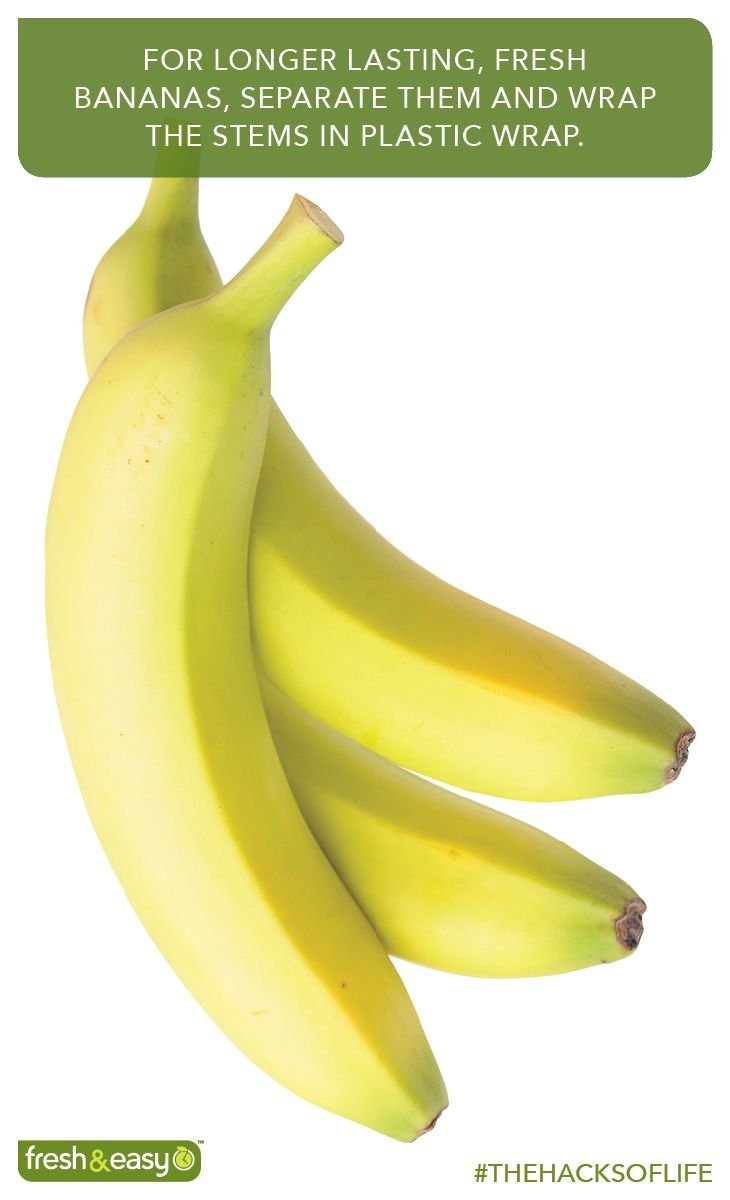
Wrapping the crown/stems tightly in plastic wrap or foil reduces ethylene release from the stem end, which is where most of it escapes. It genuinely adds 1–2 days. For maximum effect, separate the bananas first — individual bananas ripen slower than a bunch because they’re not bathing in each other’s ethylene. Wrap each stem individually. It looks fussy; it works.
2. Keep them out of the fruit bowl (or at least away from other fruit)
That beautiful fruit bowl is a ripening accelerator. Bananas’ ethylene will ripen your avocados, peaches, and pears faster too — useful if you want that (it’s how you ripen a rock-hard avocado), terrible if you don’t. Give bananas their own spot, ideally hanging on a banana hanger or hook, which also prevents bruising from lying on the counter.
3. Buy at the right stage
This is the simplest strategy nobody uses: buy bananas at different ripeness levels. Get a few yellow ones for now, a few green-tipped ones for later in the week. Staggered ripening means staggered eating, and you stop throwing away the casualties. If you only need bananas for Friday, buy green ones on Monday.
4. Refrigerate ripe bananas (yes, really)
Here’s the counterintuitive one: once bananas reach your ideal ripeness, put them in the fridge. The peel will turn dark brown or black within a day — ignore it, that’s just the peel reacting to cold. The fruit inside stays at perfect ripeness for 4–5 days longer. The peel looks alarming; the banana is fine. This is the single most effective method for extending already-ripe bananas, and the peel-darkening is purely cosmetic.
5. Control the temperature
Bananas ripen fastest in warmth. A hot kitchen (or a sunny windowsill) accelerates everything. Room temperature in a cool spot is ideal for ripening; the fridge is for holding. Never refrigerate green bananas — the cold damages them before they ripen, and they’ll never develop proper flavor or texture.
What About Those “Banana Keeper” Gadgets?
Honest assessment: most are just plastic containers that separate the banana from other fruit and limit air circulation. They work modestly — roughly equivalent to separating and wrapping stems, which is free. The hanging hooks are actually useful (prevents bruising, looks nice). The fancy ethylene-absorbing discs? Marginal benefit at best. Save your money; use the free methods.
When They Go Overripe Anyway: The Backup Plan
Despite your best efforts, some bananas will cross the line. That’s not failure — it’s opportunity. Overripe bananas (heavy brown spotting, very soft) are at peak sweetness, with starches fully converted to sugars. They’re better for:
- Banana bread — the blacker the banana, the better the bread. This is the classic rescue.
- Smoothies — peel, slice, and freeze; frozen banana chunks are the base of the creamiest filling smoothies.
- “Nice” cream — frozen banana blended alone becomes shockingly ice-cream-like.
- Pancakes — mash into the batter of my fluffy pancakes for natural sweetness.
- Freezing for later — peel first (frozen peels are miserable to remove), slice or halve, freeze on a tray then bag. They keep 3 months. See my freezing guide for the method.
The Ripening Cheat Code (Reverse Direction)
Need ripe bananas fast? Put them in a paper bag with an apple or a ripe banana. The trapped ethylene concentrates and ripens them in a day or two. In a real hurry? Bake unpeeled bananas at 300°F for 15–20 minutes until black — they won’t taste like naturally ripened bananas, but they’ll work for baking. These tricks are the flip side of the same ethylene science.
The Practical Takeaway
Keeping bananas fresh longer = buy staggered ripeness + separate the bunch + wrap stems in plastic + keep away from other fruit + refrigerate once perfectly ripe (ignore the dark peel). Each trick adds a day or two; combined, they can nearly double your window.
And when a few inevitably go overripe — congratulations, it’s banana bread day. Some failures are delicious.
Reading Banana Ripeness Like a Pro
Quick visual guide since “ripe” is doing a lot of work in this article. Stage 1–2 (green): starchy, astringent, only good for cooking. Stage 3–4 (green-yellow to yellow): firm, mildly sweet, best for lunchboxes and fruit salad — they hold their shape. Stage 5 (yellow with brown speckles): peak eating ripeness — maximum sweetness with good texture. This is the stage to refrigerate if you want to hold it. Stage 6–7 (mostly brown): very soft, intensely sweet, best for baking and smoothies. There’s no unsafe stage — even fully black bananas are safe to eat (though the texture gets unappealing). The only bananas to discard are moldy ones. When shopping, match the stage to your plan: speckled for tonight, yellow for midweek, green-tipped for the weekend. Staggered buying plus the storage tricks above, and you’ll waste almost none. It takes one week of paying attention to ripeness stages to build the habit, and then it runs on autopilot — you’ll just naturally grab the right bananas without thinking about it.
The beautiful thing about these tricks is that they stack. Any one of them buys you a day or two; all of them together can stretch a bunch’s prime from three days to nearly a week. And on the weeks when life gets in the way and they go brown anyway — well, now you know that’s not a failure, it’s just banana bread waiting to happen. The only real mistake is throwing them away.
For banana ripening science and storage tips from the people who ship them, Chiquita’s banana guide covers the ethylene basics clearly.


