
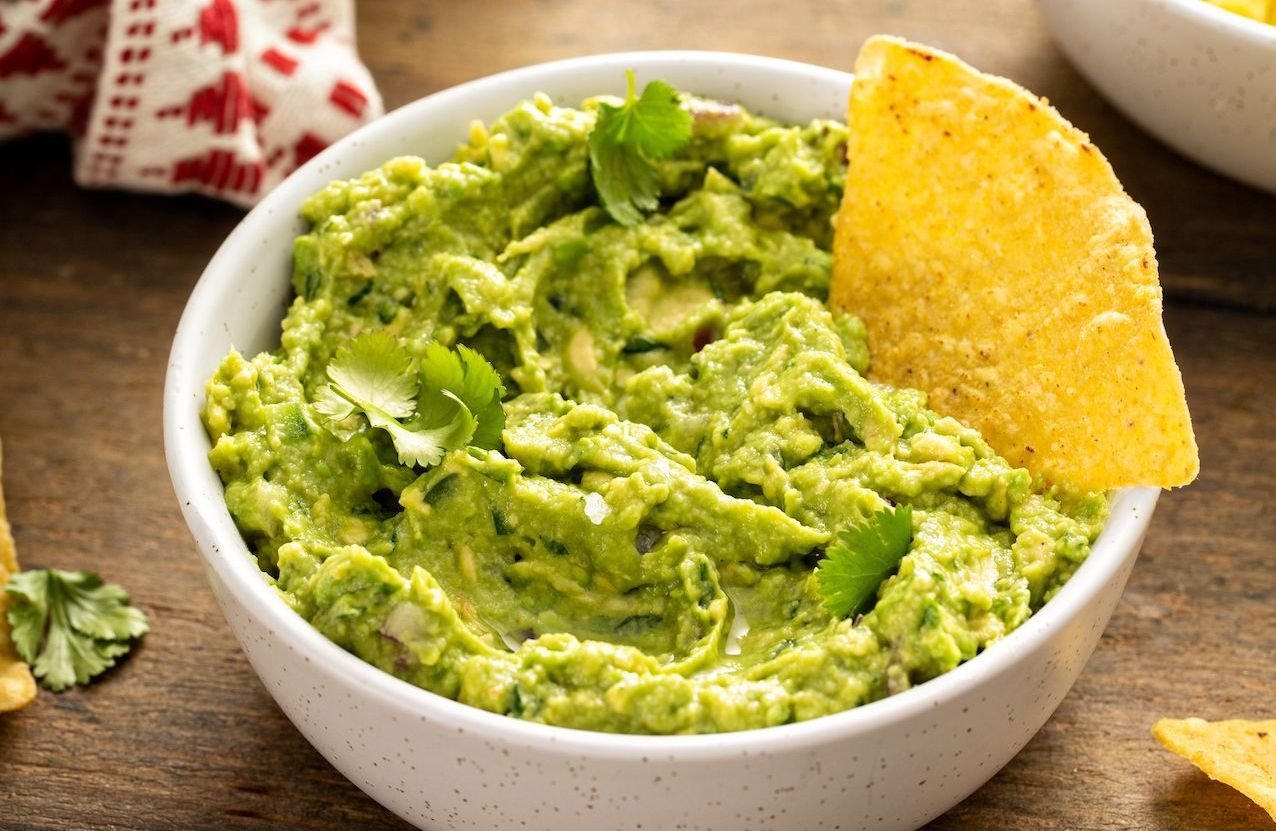
You make a beautiful bowl of guacamole, set it on the table, and twenty minutes later it looks like something from a swamp. We’ve all been there. The browning doesn’t mean it’s spoiled — but it sure looks unappetizing, and nobody reaches for the brown stuff first. Learning how to make homemade guacamole that doesn’t turn brown is mostly about understanding why it browns in the first place, then using a few simple tricks to slow it way down.
The science, briefly: avocados contain an enzyme called polyphenol oxidase. When the flesh hits air, the enzyme triggers oxidation — the same reaction that browns apple slices. Acid slows the enzyme down, and blocking air exposure stops it almost entirely. Every anti-browning trick is just one of those two strategies.
How to Make Homemade Guacamole That Doesn’t Turn Brown: The Recipe
Start with a great base — no amount of anti-browning wizardry saves bland guac:
- 3 ripe avocados (they should yield slightly to gentle pressure)
- Juice of 1–2 limes (this is anti-browning trick #1 — don’t skip it)
- ½ small red onion, finely diced
- 1 jalapeño, seeded and minced (leave seeds in if you like heat)
- ⅓ cup chopped fresh cilantro
- 1 small tomato, diced (optional — some purists skip it)
- ¾ teaspoon kosher salt, plus more to taste
- ¼ teaspoon cumin (optional, adds depth)
Halve the avocados, remove the pits, and scoop into a bowl. Add the lime juice immediately — before mashing — so the acid coats the flesh right away. Mash with a fork to your preferred texture (I like it chunky; perfectly smooth guac is a crime in my book). Fold in everything else, taste, and adjust salt and lime. The lime juice does double duty: it’s essential flavor and your first line of defense against browning.
The Anti-Browning Tricks, Ranked by Effectiveness
1. Press plastic wrap directly onto the surface (best method)
This is the single most effective trick. Browning needs air contact, so eliminate the air contact: lay plastic wrap directly on the guacamole, pressing out every air bubble, then cover the bowl. Stored this way in the fridge, guac stays green for a full day, sometimes two. No special ingredients, no gimmicks — just physics.
2. Be generous with lime or lemon juice
Acid denatures the browning enzyme. Two tablespoons of lime juice per three avocados is the sweet spot for both flavor and preservation. Lemon works too, though lime tastes more authentic. Don’t go overboard trying to prevent browning with acid alone — you’ll end up with guacamole soup.
3. The water-seal method
Pour a thin layer of cold water (about half an inch) over the guacamole surface, cover, and refrigerate. The water blocks all air contact. When you’re ready to serve, just pour it off and stir. It sounds weird; it works brilliantly. The guac underneath stays vividly green for up to two days.
4. Add the onion on top
Here’s a lesser-known one: sulfur compounds in onions inhibit the browning enzyme. Some cooks press a layer of diced onion (or even onion halves) onto the surface before covering. It genuinely helps, and you’re probably adding onion anyway.
5. The avocado pit myth
Let’s kill this one: putting the pit in the bowl does almost nothing. It only protects the tiny patch of guacamole directly underneath it from air — the same job a piece of plastic wrap does for the whole surface. It’s folk wisdom with a kernel of logic and no real-world benefit. Skip it.
Serving and Storing Like a Pro
Guacamole is best within a few hours of making, but properly stored (plastic wrap on the surface, refrigerated) it’s genuinely good for 24–48 hours. A little browning on the very top after a day is normal — just stir it in; it tastes exactly the same. I would not freeze guacamole with all the mix-ins (the texture of the onion and tomato suffers), though plain mashed avocado with lime juice freezes surprisingly well for later use.
For serving, temperature matters more than people think: ice-cold guacamole mutes the flavors. Let it sit out 15–20 minutes before guests arrive. Serve with thick tortilla chips that won’t shatter, and put out restaurant-quality tacos alongside — guac and tacos are a non-negotiable pairing in my house. It’s also a fantastic addition to easy party appetizers spreads.
Picking Avocados That Won’t Let You Down
All of this assumes ripe avocados, so let’s make sure you buy right. A ripe avocado yields to gentle palm pressure (don’t poke it with your thumb — that bruises it for the next person). The stem test: flick off the little stem nub; green underneath means ripe and ready, brown means overripe. Buying for later in the week? Get firm ones and ripen them in a paper bag with a banana — the ethylene gas speeds things up by a day or two. Need to slow ripe ones down? Fridge. Cold buys you 2–3 extra days.
The California Avocado Commission has solid ripening guides if you want to go deeper, but honestly the palm-pressure test has never failed me.
The Practical Takeaway
Guacamole that doesn’t turn brown = plenty of lime juice in the mix + plastic wrap pressed directly onto the surface (or the water-seal trick) + refrigeration. That’s it. No pits, no magic — just acid and an air barrier.
Make it fresh, store it right, and your guac will stay as green and gorgeous at the end of the party as it was at the start. Which, let’s be honest, rarely matters — good guacamole never survives long enough to brown anyway.
Guacamole Variations Worth Trying
Once you’ve mastered the classic, riff on it. Bacon guacamole with crumbled bacon and a pinch of smoked paprika is outrageously good. Mango or pineapple guacamole adds sweet-tart contrast that works beautifully with spicy food. Charred corn and cotija gives it a street-corn vibe. For a spicy version, roast the jalapeños first — roasting deepens the heat and adds smokiness. And if cilantro tastes like soap to you (it’s genetic, no judgment), flat-leaf parsley with extra lime is a perfectly respectable substitute. The anti-browning rules don’t change regardless of variation: acid in the mix, air barrier on top, refrigerate.


