
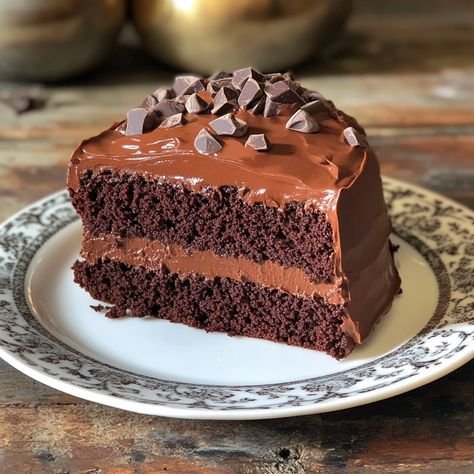
Dry cake is a special disappointment — all that work for something that needs a gallon of milk to get down. But moist, tender cake from scratch isn’t luck; it’s chemistry. So how do I bake a cake from scratch without it drying out? It comes down to fat, sugar, liquid ratios, mixing technique, and — the biggest factor — not overbaking. Here’s the science made practical.
Why Cakes Dry Out (The Science in 60 Seconds)
Cake moisture comes from fat, sugar (which holds water), and liquid ingredients. Dryness comes from: too little fat/sugar, too much flour (the #1 home-baker error — scooping packs in 30% extra), overmixing (develops gluten = tough + dry), and overbaking (even 3–5 extra minutes dries a cake noticeably). Fix those four and you’re 90% there.
How Do I Bake a Cake From Scratch Without It Drying Out? Ingredients That Guarantee Moisture
- Use oil (or oil + butter). Oil-based cakes stay moist longer than all-butter cakes — oil is liquid at room temperature, so the crumb tastes moist even cold. The best of both: half butter (flavor) + half oil (moisture). King Arthur Baking’s testing consistently shows oil-based cakes winning on moistness.
- Don’t skimp on sugar. Sugar isn’t just sweetness — it’s hygroscopic (holds water). Reducing sugar “to be healthy” dries cake out. If you want less sweet, reduce slightly (10–15%) but don’t halve it.
- Add moisture boosters: sour cream, Greek yogurt, or buttermilk in place of some liquid — the acidity tenderizes crumb and adds richness. Applesauce replaces some fat while adding moisture. A tablespoon of instant pudding mix is the old bakery secret (don’t knock it).
- Measure flour correctly. Spoon flour into the cup, level with a knife. Never scoop from the bag. Or better: weigh it (120g per cup). This single habit fixes more dry cakes than any other change.
- Room-temperature ingredients. Cold eggs and dairy don’t emulsify properly, leading to dense, dry texture. Set them out 30–60 minutes before baking.
Technique: Where Moist Cakes Are Won or Lost
- Cream properly, mix gently. Cream butter + sugar until truly light and fluffy (3–5 minutes — longer than you think). But once flour goes in, mix minimally — just until combined. Every extra stir develops gluten.
- Don’t overbake — the cardinal rule. Start checking 5 minutes before the recipe’s time. The cake is done when: a tester comes out with a few moist crumbs (not wet batter, not clean — clean means overbaked), the top springs back when touched, and the edges just pull from the pan. Carryover cooking finishes it as it cools.
- Know your oven. Most ovens run hot or have hot spots. An oven thermometer ($8) is the cheapest baking upgrade available. Rotate the pan halfway if your oven is uneven.
- Cool correctly. Cool in the pan 10–15 minutes, then turn out onto a rack. Leaving it in the hot pan too long = carryover overbaking. But don’t turn out too early or it breaks.
- Simple syrup insurance. Brush cooled layers with simple syrup (equal parts sugar + water, boiled) before frosting. Professional bakeries do this routinely — it’s the foolproof moisture guarantee, adding no perceptible sweetness.
Storage: Keeping It Moist After Baking
- Frost promptly. Frosting seals moisture in. Unfrosted cake dries within hours; frosted cake stays moist for days.
- Room temp for 2–3 days under a dome or in an airtight container. Refrigeration dries cake out (cold accelerates starch retrogradation) — only refrigerate if the frosting requires it, and bring to room temp before serving.
- Freeze for longer: wrap unfrosted layers tightly in plastic + foil; freeze up to 3 months. Thaw wrapped (condensation forms on the wrap, not the cake). Frozen-then-thawed cake is often moister than fresh — many bakeries bake ahead deliberately.
Rescuing a Dry Cake
Already baked and dry? Options: poke holes and soak with simple syrup or flavored syrup; serve warm with sauce, custard, or ice cream (nobody notices dry cake under warm chocolate sauce); cube it for trifle (layered with cream and fruit — dry cake’s highest calling); or make cake pops (crumble + frosting = genius disguise).
Spices That Fake Sweetness (So Sugar Doesn’t Have To)
When you cut sugar, flavor has to come from somewhere. These spices trick the palate into perceiving sweetness:
- Cinnamon. The MVP — studies suggest it enhances perceived sweetness, letting you cut 25–30% of sugar in many recipes without noticing. True cinnamon (Ceylon) is subtler; cassia is bolder. Both work.
- Nutmeg. Warm and aromatic — a little goes far. Fresh-grated beats pre-ground dramatically; a $8 microplane and whole nutmegs last years.
- Cardamom. The secret in Scandinavian baking — complex, citrusy, almost floral. Expensive but potent; a little transforms coffee cakes and buns.
- Vanilla. Not a spice but the same principle — vanilla amplifies sweetness perception. Real extract (or paste) over imitation, always; and add it off-heat when possible since high heat dulls it.
- Allspice and cloves. Powerful — measure carefully. A pinch adds warmth and depth that reads as richness, compensating for reduced sugar.
- Ginger. Fresh or ground, it adds zing that distracts from lower sweetness — particularly good in combination with cinnamon.
The combination effect: no single spice replaces sugar, but a thoughtful blend (cinnamon + vanilla + nutmeg, say) creates flavor complexity that makes reduced-sugar baking taste intentional rather than deprived. This is where stocking the right spices pays off twice — the same jars that season your dinners rescue your desserts. Buy small quantities, store away from heat and light, and replace ground spices yearly — stale spices are the silent killer of both savory and sweet cooking.
The Practical Takeaway
Baking a moist cake from scratch means: measure flour by weight (or spoon-and-level), use oil or oil-butter blends, add sour cream/yogurt for insurance, mix flour minimally, and — above all — pull the cake when a tester shows moist crumbs, not clean. Brush with simple syrup for guaranteed moisture, frost to seal, and store airtight at room temperature. Follow these and dry cake becomes a story about other people’s baking. If you want to reduce sugar in baking later, do it carefully — sugar’s doing structural moisture work, not just sweetening.


