
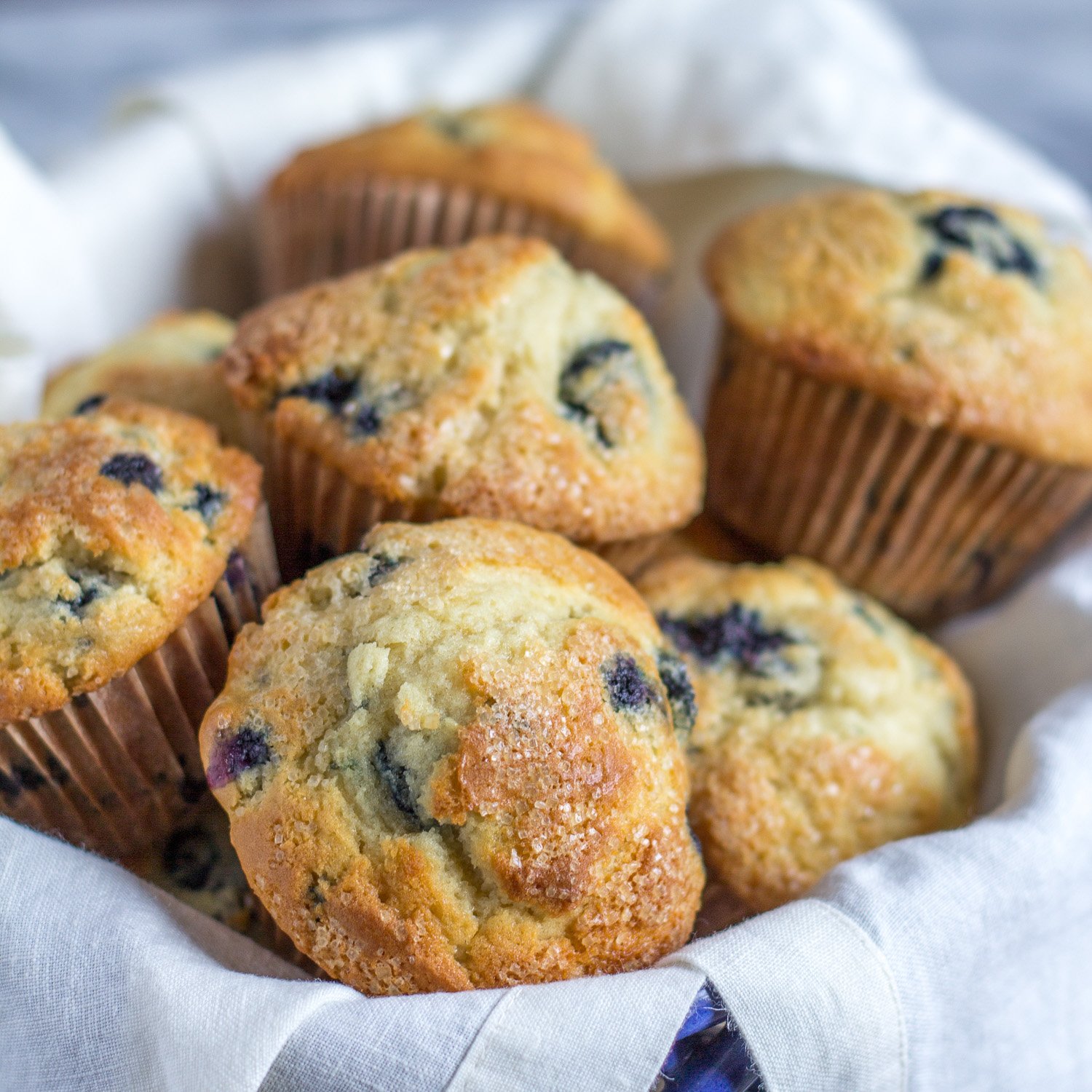
You want to cut sugar, but you’ve heard the horror stories — hockey-puck muffins, sad flat cookies, cakes with the texture of packing foam. Sugar does real structural work in baking, so you can’t just delete it. So how can I reduce sugar in my baking without ruining taste? With smart swaps, strategic reductions, and techniques that boost perceived sweetness. Here’s what actually works — and the limits you need to respect.
What Sugar Actually Does (Why You Can’t Just Delete It)
Sugar isn’t just sweetener. In baking it: tenderizes (interferes with gluten), retains moisture (hygroscopic), aids browning (caramelization + Maillard), stabilizes (meringues, foams), and adds bulk/volume. Remove too much and you lose structure, not just sweetness. The goal is reducing intelligently, not eliminating blindly. Understanding this is what separates successful low-sugar baking from dense disappointments.
How Can I Reduce Sugar in My Baking Without Ruining Taste? The Strategies
1. The straight reduction (easiest, works more often than you’d think)
Most American recipes are oversweetened — you can typically cut sugar by 25–33% with zero other changes and nobody notices. Try 25% first; taste; go further if it’s still good. Cookies, muffins, quick breads, and coffee cakes all tolerate this beautifully. (Don’t try it on meringues, angel food, or candy — those are sugar-structured.)
2. Swap in natural sweetness
- Applesauce: replace up to half the sugar (and some fat) in muffins and quick breads. Adds moisture too — double win.
- Mashed banana: the riper, the sweeter. Great in pancakes, muffins, banana bread (obviously).
- Dates/date paste: blend pitted dates with water into a paste — deep caramel sweetness, plus fiber. Excellent in brownies and energy bars.
- Roasted sweet potato or pumpkin purée: natural sweetness + moisture + gorgeous color in fall baking.
Reduce other liquids slightly when adding wet fruit purées to keep ratios balanced.
3. Boost perceived sweetness
- Vanilla extract: enhances sweet perception — increase it when reducing sugar. Same with almond extract, citrus zest.
- Spices: cinnamon, nutmeg, cardamom, ginger all amplify sweetness perception. A well-spiced low-sugar muffin tastes sweeter than a bland full-sugar one.
- Salt: a proper pinch suppresses bitterness and makes sweetness pop — undersalted baking tastes flat regardless of sugar.
- Top, don’t mix: a sprinkle of coarse sugar or streusel on top delivers sweet hits to the tongue with far less total sugar than mixing it throughout.
4. Choose naturally sweet frameworks
Some baked goods need less help: fruit-forward desserts (crisps, cobblers, galettes) where ripe fruit carries the sweetness; chocolate recipes (cocoa’s intensity masks reduction); spiced goods (see above). Start your low-sugar experiments here, not with delicate vanilla cake.
5. Alternative sweeteners (know the tradeoffs)
- Honey/maple syrup: sweeter than sugar per tablespoon, so you use less — but they’re still sugar (calorically similar). Flavor bonus, not a free pass. Reduce other liquids when substituting.
- Coconut sugar: 1:1 swap, slight caramel note, marginally lower glycemic — but still sugar.
- Monk fruit / stevia blends: true calorie reduction, but aftertaste varies by brand and they don’t provide sugar’s structural functions — best in recipes where sugar isn’t structural (muffins yes, meringues no). America’s Test Kitchen has tested these extensively — their baking trials show which blends actually perform.
- Erythritol/allulose: better baking behavior than stevia, but cooling aftertaste (erythritol) and cost. Allulose browns and behaves most like sugar.
Recipe-Specific Guidance
- Muffins/quick breads: cut 30–50%, add fruit purée. Very forgiving.
- Cookies: cut 25%, boost vanilla/spices. Sugar controls spread — less sugar = puffier, cakier cookies (often a feature).
- Cakes: cut 25% max without reformulating; ensure moisture is protected since sugar holds water.
- Yeasted breads: most need only a tablespoon or two anyway — cut freely; yeast feeds on flour starches.
- Don’t touch: meringues, macarons, angel food, caramel, candy — sugar IS the structure.
Sugar Substitutes, Honestly Ranked
Every substitute has trade-offs. The honest ranking for baking:
- Reduce the sugar (no substitute). Still the best option — most recipes tolerate 25–33% less sugar with zero other changes. Start here before complicating things.
- Honey/maple syrup. Real flavor, real sugar — use 3/4 cup per cup of sugar, reduce other liquids by 2–3 tablespoons, lower oven temp 25°F (they brown faster). Not lower-calorie, but less refined and better-tasting.
- Coconut sugar. 1:1 swap, subtle caramel note, slightly lower glycemic index. Behaves like brown sugar. The easiest “healthier” swap with minimal recipe changes.
- Applesauce/banana. Replace half the sugar + some fat with unsweetened applesauce or mashed banana. Adds moisture — reduce other liquids. Best in muffins, quick breads, and dense cakes; the same moisture principles as bread baking apply.
- Erythritol/monk fruit. Near-zero calorie, but the cooling aftertaste (erythritol) bothers many people, and they don’t caramelize or feed yeast. Fine for frostings and no-bake items; mediocre in actual cakes.
- Stevia. Intensely sweet, bitter at high concentrations. Hard to dose for baking; best in beverages, not batters.
The bottom line: for baking, “natural” substitutes (honey, maple, coconut sugar) work because they’re still sugar — they behave like sugar. Zero-calorie substitutes don’t, and no amount of recipe tweaking fully fixes that. The healthiest cake is one with a third less sugar and full flavor — not a chemistry experiment that nobody enjoys eating. And honestly? A smaller slice of the real thing beats a big slice of a compromised one — portion perspective is the most underrated baking strategy of all. Start with the 25% reduction this weekend — it’s the easiest win in baking, and most tasters genuinely can’t tell the difference. Your cakes will still disappear at gatherings; nobody audits the sugar content of a good dessert.
The Practical Takeaway
Reducing sugar in baking without ruining taste means: start with a 25–33% straight cut (most recipes are oversweetened), swap in fruit purées for moisture and sweetness, amplify perceived sweetness with vanilla, spices, and salt, and choose forgiving recipes (muffins, quick breads, fruit desserts) for bigger cuts. Respect sugar’s structural jobs — don’t slash it in meringues or candy. Done right, you’ll wonder why the original needed all that sugar in the first place.


