
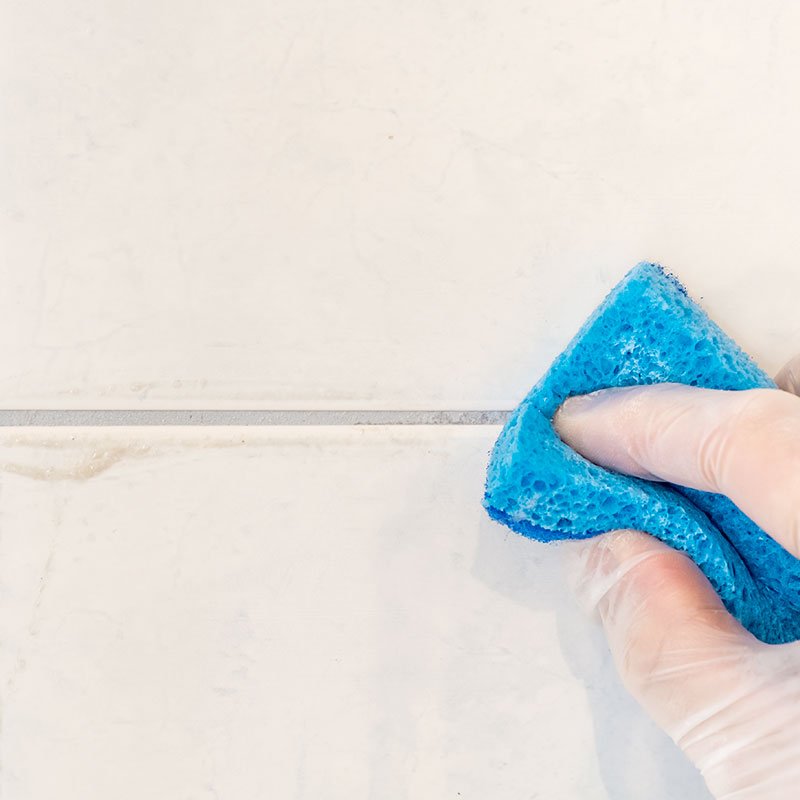
Your tile still looks fine, but the grout tells a different story — gray, grimy lines that make the whole floor or shower look dirty no matter how much you mop. So what is the best way to clean grout between tiles? I’ve tested just about every method, from internet-famous baking soda pastes to professional steam cleaners. Here’s what actually works, ranked from gentlest to strongest, plus how to keep it clean so you don’t do this every month.
Start Here: The Method That Handles 80% of Grout
For most dirty grout, you don’t need anything exotic:
- Mix baking soda with just enough water to form a thick paste.
- Apply to grout lines and let sit 10–15 minutes.
- Scrub with a stiff grout brush (not a toothbrush — get the $8 narrow grout brush; the right tool matters enormously).
- Spray with a 1:1 white vinegar and water solution — it’ll fizz.
- Scrub once more, then mop/wipe clean with fresh water.
This handles everyday grime, kitchen grease film, and moderate bathroom buildup. It’s cheap, non-toxic, and safe for all grout types. Do small sections at a time — paste that dries out is harder to remove.
What Is the Best Way to Clean Grout Between Tiles? When Baking Soda Isn’t Enough
Level 2: Oxygen bleach (sodium percarbonate)
The pro secret for deeply stained grout. Mix oxygen bleach powder (OxiClean and similar) with hot water per package directions, apply to grout, wait 15–30 minutes, scrub, rinse. It’s dramatically more effective than baking soda on set-in stains, color-safe, and far gentler than chlorine bleach. This is what I’d try before anything stronger. Note: don’t use on natural stone tile — oxygen bleach can etch marble and travertine. For stone, stick to pH-neutral stone cleaners.
Level 3: Steam cleaner
A handheld steam cleaner ($40–$80) blasts grime out of grout pores with zero chemicals — extremely effective, especially in showers where soap scum layers over mildew. Slow going on large floors (it’s a few square feet at a time), but unmatched for targeted deep cleaning. The heat also sanitizes. If you clean grout often, it pays for itself in saved chemicals and elbow grease.
Level 4: Hydrogen peroxide (3%)
Apply directly to grout, wait 10 minutes, scrub. Good mild bleaching action for dingy grout — useful as a middle step before stronger options. Safe for most tile; test colored grout in an inconspicuous spot first (it can lighten some pigments).
Level 5: Chlorine bleach (last resort)
Diluted bleach (1:10 with water) kills mold and whitens aggressively. But: it degrades grout over time with repeated use, the fumes are harsh (ventilate!), and it can discolor colored grout. Reserve for mold situations, not routine cleaning. Never mix with vinegar or other cleaners — toxic gas risk is real.
The Mold Question
Black grout in showers is usually mold or mildew, not dirt. Cleaning removes it temporarily; prevention stops its return:
- Ventilate: run the exhaust fan during showers and 20 minutes after. No fan? Crack a window. Moisture is the entire problem.
- Squeegee walls after showering — 30 seconds that prevents most buildup.
- Switch to liquid soap or rinse bar-soap residue — soap scum feeds mold.
- For persistent mold in grout, the grout may be failing — crumbling or missing grout lets water behind tile. Regrouting ($200–$500 professionally for a shower) fixes what cleaning can’t.
Keep It Clean: The Maintenance Plan
- Seal the grout. After deep cleaning, apply grout sealer ($15–$25) — it buys 1–2 years of stain resistance. The water-bead test tells you when to reseal: if water soaks in instead of beading, reseal. (Note: epoxy grout doesn’t need sealing — it’s inherently stain-proof, which is why pros love it for new installs.)
- Weekly: mop tile floors with pH-neutral cleaner (not vinegar long-term — acids erode cement grout slowly). Squeegee the shower.
- Monthly: baking soda scrub on high-traffic or splash zones.
- Entryway mats and shoes-off policy cut floor grout grime dramatically — most dirt is tracked in.
Bob Vila’s cleaning guides have good product-specific recommendations if you want to compare commercial grout cleaners against these DIY methods.
When Cleaning Isn’t Enough
Grout that’s cracked, crumbling, or permanently stained through the full depth won’t clean up — it needs regrouting. A pro regrout runs $1–$3 per square foot; DIY is possible with a grout removal tool, new grout, and patience (it’s tedious, not difficult). Also consider: if your bathroom grout is chronically failing, it may signal the bathroom needs a bigger refresh — sometimes the grout is just the messenger.
Regrouting: When Cleaning Isn’t Enough
Sometimes grout is beyond saving — cracked, crumbling, or stained through its full depth. Regrouting sounds intimidating but it’s straightforward:
- Remove the old grout. A grout removal tool, oscillating multi-tool with grout blade, or manual grout saw ($10–$15). Remove to at least 2/3 the tile depth without scratching tile edges. Tedious, not difficult — put on a podcast.
- Clean the joints thoroughly. Vacuum out dust, wipe with a damp sponge. New grout bonds poorly to dusty joints.
- Apply new grout. Float it in diagonally, same as original installation. For bathrooms, consider epoxy grout — it’s stain-proof, waterproof, and never needs sealing. Harder to work with (sets fast, cleanup is urgent), but the last grout you’ll ever install in that shower.
- Seal (if cement grout). After 48–72 hours cure, apply sealer. Epoxy grout skips this step forever.
DIY or hire? A small backsplash or floor section is very DIY-able. A whole shower or large floor — hire it ($1–$3/sq ft). The labor is 90% removal; if your time is worth more than the savings, outsource the dusty part.
Preventing repeat failure: grout fails early from chronic moisture (fix ventilation — mold loves the same conditions), harsh cleaners (bleach degrades cement grout over time), and movement (cracked substrate or missing expansion joints). Fix the cause or you’ll regrout again in three years. And if the tile around the failing grout is dated too, it may be time to evaluate the bigger picture — bathroom remodel costs help you decide whether regrouting is a stopgap or the right long-term call.
The Practical Takeaway
The best way to clean grout: start with baking soda paste + vinegar + a real grout brush; escalate to oxygen bleach for stubborn stains and steam for deep shower grime; reserve chlorine bleach for mold only. Then seal it and maintain with pH-neutral weekly cleaning. Most “ruined” grout is just dirty grout — an afternoon of proper cleaning makes tile look new again for under $20. And the real long-term win is prevention: sealant, ventilation, and squeegeeing beat scrubbing every time.


