
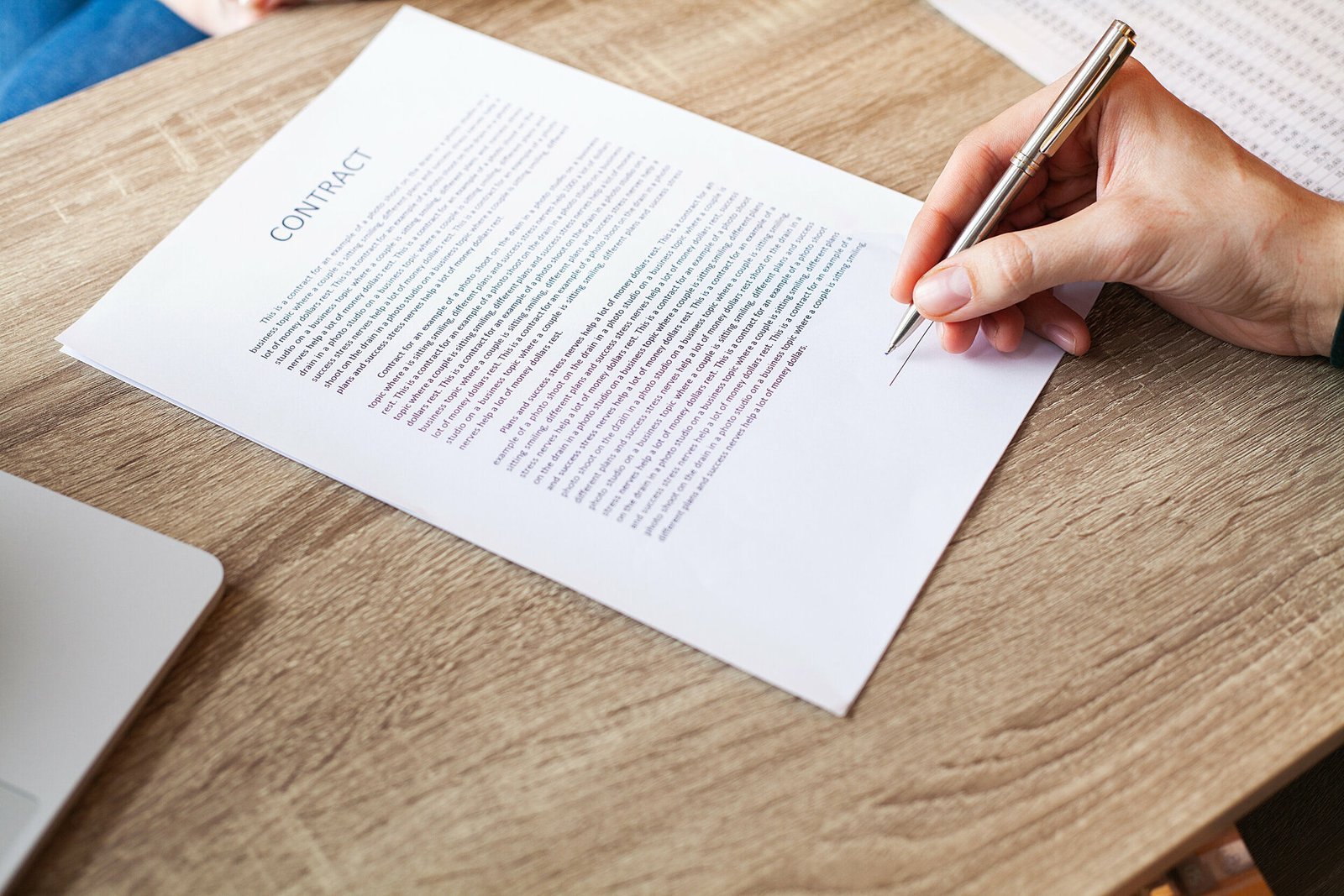
Handshake deals end in 'but I thought you meant…' So what should I include in a freelance contract to protect yourself without hiring a lawyer for every gig?
So, what should I include in a freelance contract? I've dug into this pretty thoroughly, talked to people who deal with it daily, and run the numbers myself. Here's what I found.
The Honest Answer
The nine essentials: (1) Scope of work — exactly what's included, in writing. (2) Deliverables and deadlines with dates. (3) Payment terms: amount, schedule (50% upfront is standard), method, and late fees. (4) Revision limits — typically 2–3 rounds, then hourly. (5) Kill fee: what you keep if the client cancels mid-project (25–50%). (6) Ownership transfer upon final payment — not before. (7) Confidentiality basics. (8) How disputes get resolved. (9) Signatures and dates. Free templates from AND CO, Bonsai, or the Freelancers Union cover all of this — customize, don't start from zero.
That's the gist, but the details matter here — they decide whether you overpay, waste time, or get it right the first time.
Related reading: How much should I charge as a freelance graphic designer.
For the official word, check the Freelancers Union contract resources, which lays out the details straight from the source.
What Should I Include in a Freelance Contract? The 9 Must-Have Clauses
- Scope in writing: vague scope is where every freelance dispute begins.
- Real talk: 50% deposit upfront: standard practice that filters serious clients from tire-kickers.
- Revision cap (2–3 rounds): unlimited revisions is how $2,000 projects become $200/hour nightmares.
- Kill fee (25–50%): compensates reserved time when clients cancel — non-negotiable for big projects.
- Real talk: IP transfers on final payment: you own the work until you're paid in full — this is your leverage.
Here’s How It Plays Out
A designer friend skipped contracts for a 'quick logo' — $400 agreed verbally. Fourteen revision rounds later, the client ghosted without paying. Her next client signed a one-page contract with a revision cap and 50% deposit. Same designer, different paperwork, zero problems since.
Making Contracts Painless
Let’s talk money, because this is where small businesses quietly die. Cash flow kills more businesses than bad ideas ever will — you can be profitable on paper and still go under because the money arrives in March but the bills are due in January. Separate your business money from your personal money from day one, even if it feels premature. Future you, staring at a tax return, will be enormously grateful.
And price like you mean it. The most common beginner mistake is undercharging — partly from insecurity, partly from not knowing the true costs. Add up everything: materials, your time, fees, taxes, the hours you spend on admin that nobody pays you for. Then add a margin. If your price makes you slightly uncomfortable to say out loud, you’re probably in the right neighborhood. You can always discount strategically; it’s much harder to raise prices later.
Paperwork isn’t fun, but ignoring it is expensive. The boring admin — licenses, taxes, contracts, insurance — is what keeps a good business from becoming a cautionary tale. You don’t need to become an expert; you need systems. A simple spreadsheet or basic accounting software, a folder (digital is fine) for every important document, and a calendar reminder for every deadline. An hour of admin a week prevents the kind of surprises that end businesses.
And get things in writing. Every time. The handshake deal that “we’ll figure out later” is where disputes are born — with clients, partners, suppliers, everyone. A simple written agreement doesn’t mean you distrust someone; it means you both remember the same thing six months later. Memories differ; documents don’t. This one habit will save you more grief than any other piece of business advice I could give.
For more on this, see our guide to How do I handle taxes for a freelance business.
Tips From People Who’ve Done This
- Here's one that saves people real money: use a proven template (Freelancers Union, Bonsai) and customize per project — 10 minutes.
- It's not glamorous, but it works: send the contract with the proposal; signed contract plus deposit equals a booked project.
- Here's one that saves people real money: keep language plain — if a client needs a lawyer to understand it, rewrite it.
- Don't skip this: store signed copies in the cloud; you'll need them exactly when you can't find them.
Mistakes People Keep Making
- Here's a painful one: starting work on a verbal agreement 'to keep things friendly'. Learn from other people's mistakes on this.
- Watch out for this: no late-payment terms, then waiting 90 days to get paid. It's the kind of thing that seems fine until it isn't.
- Here's a painful one: transferring full ownership before receiving full payment. Learn from other people's mistakes on this.
A Few More Questions Answered
How much money do I really need to start?
Less than you think, more than you hope. Most service-based businesses can start with a few hundred dollars; product businesses need more for inventory. The real question isn't the startup cost — it's how many months you can survive without profit. Have at least three to six months of expenses covered before you count on income.
What's the number one beginner mistake?
Spending money before making money. Fancy logos, premium tools, and perfect branding feel like progress, but they're procrastination in disguise. Get a paying customer first with the simplest possible version. Everything else can come later, funded by actual revenue.
Do I need a business plan?
You need a plan, but not the 40-page kind. One page is plenty to start: who you serve, what you offer, how you'll reach them, and your numbers. The point isn't the document — it's forcing yourself to think through the basics before money's on the line. Update it as reality teaches you things.
Wrapping It Up
Scope, deposit, revisions, kill fee, payment terms — get those five in writing every time. A one-page contract prevents 95% of freelance horror stories.
Look, nobody wants to overthink this stuff. But twenty minutes of reading now beats an expensive mistake later.
Worth a read next: What are the most profitable side hustles for beginners.
One more useful resource: the SBA on business contracts — worth bookmarking before you make any final decisions.


