
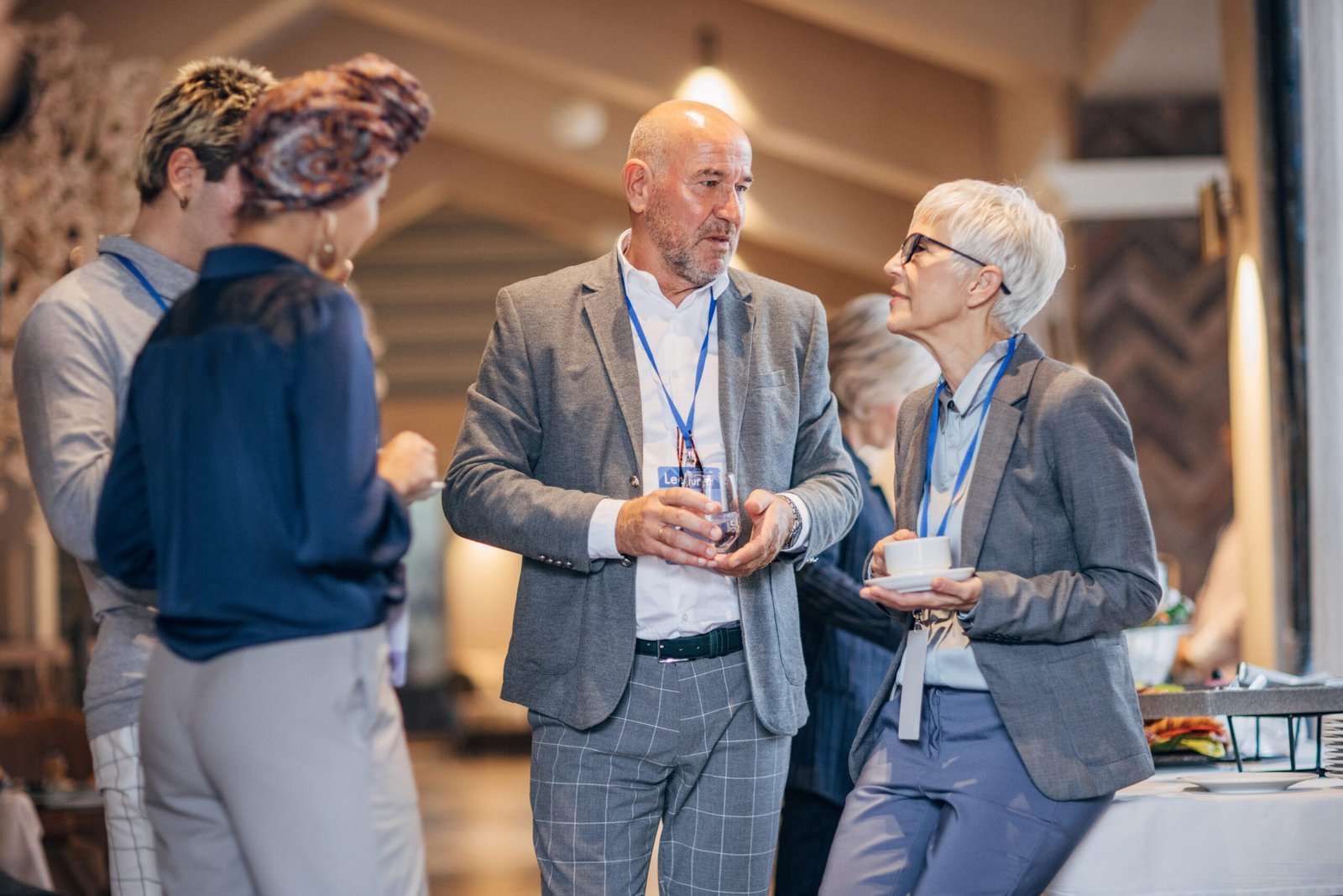
For a lot of new founders, figuring out the best way to network as a new entrepreneur sounds like standing around a hotel ballroom with a soggy name tag, trying to sound impressive to strangers. No wonder most entrepreneurs avoid it. But real networking has almost nothing to do with that scene. It’s just building useful relationships on purpose — and it’s one of the highest-leverage things you can do early on.
Your network becomes your informal advisory board, your referral engine, and occasionally your lifeline. Here’s how to build one without feeling like a phony.
The Best Way to Network as a New Entrepreneur: Start Low-Pressure
You don’t need a conference. Start with people one step removed from you: former coworkers, college contacts, neighbors who run businesses, the owner of your favorite coffee shop. Send a short, genuine message: “I’m starting [thing] and I’d love to hear how you handled [specific challenge]. Coffee’s on me — 20 minutes?” Most people say yes. People love talking about their own experience, and “20 minutes” feels safe.
Local business groups are the next rung. Your local Chamber of Commerce chapter, industry meetups, and coworking space events are full of people who remember being new. Go with one goal — three real conversations, not thirty business cards — and you’ll leave with more value than the person working the room.
Online counts too. Thoughtful comments on LinkedIn posts in your industry, helpful answers in founder communities, and genuine engagement beat cold DMs every time. The founders who get their first customers for a new business through relationships almost always started by being useful in public before asking for anything.
What to Actually Say
Forget the elevator pitch — at least the robotic version. When someone asks what you do, answer in one plain sentence, then ask about them. “I help dental offices get more Google reviews. What are you working on these days?” Then listen. The person who asks the best questions is always the most memorable person in the conversation.
Have three go-to questions ready: “What are you focused on right now?” “What’s been working well for you lately?” “What’s the hardest part of [their thing]?” These work in any context and they make people feel interesting, which is the whole game. Nobody remembers your pitch. Everybody remembers how you made them feel.
When it’s your turn to talk about your business, be specific about who you help. “I do marketing” is forgettable. “I run Google Ads for plumbers in the Denver area” makes people think of their plumber friend immediately. Specificity is what triggers referrals.
The Follow-Up Is the Whole Game
Here’s the stat that matters: almost nobody follows up, so the bar is on the floor. Within 48 hours, send a short note referencing something specific from the conversation. “Great meeting you — here’s that bookkeeping template I mentioned.” Then add them to a simple list and check in every few months with something useful, not an ask.
This is where a basic CRM earns its keep — even a spreadsheet works at first, though our guide to the best CRM software for a small business shows how cheap proper tools have gotten. The system doesn’t matter; the consistency does. Relationships compound like interest, but only if you make the deposits.
Give before you ask, and give without keeping score. Introduce two people who should know each other. Share someone’s launch. Send the article that made you think of them. Generosity is the fastest networking strategy ever invented, because people remember who helped them when there was nothing in it for the helper.
Follow-Up Messages That Actually Get Replies
Networking lives or dies in the follow-up, and most follow-ups fail because they’re vague or self-serving. Here are templates that work — adapt the bracketed parts.
After meeting someone interesting:
“Hi [Name], great chatting yesterday about [specific topic]. You mentioned [specific thing] — I came across [article/resource/intro] that made me think of you: [link]. No need to reply, just wanted to share. Hope [their upcoming thing] goes well!”
Why it works: specific, generous, zero ask. You’ll stand out because 95% of follow-ups are “great meeting you, let’s keep in touch!” — which asks the other person to do the work of figuring out why.
Requesting a coffee chat:
“Hi [Name], I’m [one-line description] and I’m trying to learn how [people like them] handled [specific challenge]. Would you be open to a 20-minute coffee or call sometime in the next couple weeks? Happy to work around your schedule — and no worries at all if timing’s bad.”
Why it works: specific ask, bounded time, easy out. Vague “pick your brain” requests get ignored; this one respects their calendar.
Reconnecting after months:
“Hi [Name], was thinking about you because [genuine trigger — saw their launch, read their post, visited their city]. How’s [their thing] going? Would love to catch up properly sometime.”
Why it works: the trigger proves it’s not a mass message, and there’s no hidden agenda.
The golden rule across all of them: every message should pass the “would I be annoyed receiving this?” test. Short, specific, and generous beats long, vague, and needy every time. Send the follow-up within 48 hours while the conversation is fresh, and keep a simple log of who you met and what you discussed — memory fades, but the note you took on your phone doesn’t. Do this consistently for a year and you’ll have a network most founders would envy, built one genuine message at a time.
Networking That Fits an Introvert
If big events drain you, don’t force them. One-on-one coffees, small dinners, volunteering for a cause, teaching a free workshop — these are all networking, and they play to introvert strengths: depth over breadth. Five deep relationships will do more for your business than five hundred LinkedIn connections.
And remember what networking is actually for: not collecting contacts, but building a circle of people who know what you’re building and want you to win. Start small, be genuine, follow up relentlessly, and watch what happens. If you’re also hiring your first employee or looking for partners down the road, this circle becomes the place those people come from.


