
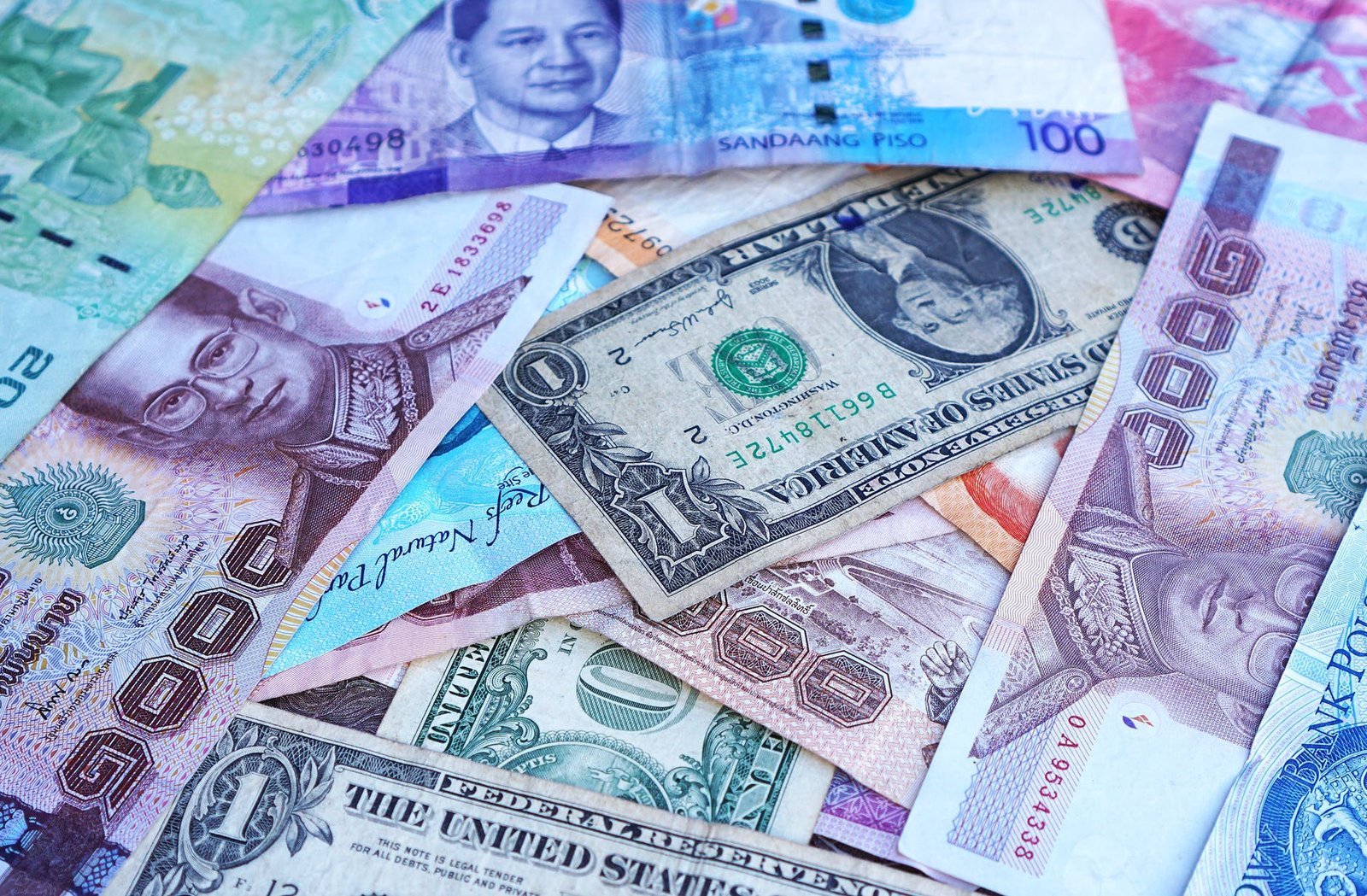
What Is the Best Way to Exchange Currency Before a Trip? (Save on Every Dollar)
What is the best way to exchange currency before a trip? For most travelers: get a small amount from your bank before leaving, then use local ATMs at your destination for the rest. This two-step approach beats every alternative on rates and convenience — and it avoids the single worst option, which is the airport exchange counter.
Currency exchange is one of travel’s quiet money drains. The difference between the best and worst methods is 5–10% of everything you spend — hundreds of dollars on a big trip, lost to spreads and fees you never see itemized.
Here’s exactly what to do.
The Ranking: Best to Worst Exchange Methods
- Local ATMs at your destination (best). Withdraw local currency from a bank ATM abroad with a debit card that has no foreign transaction fees. You get close to the interbank rate — the real rate — plus maybe a small ATM fee. Decline any “convert to your home currency” offer (that’s dynamic currency conversion, a 3–7% markup in disguise).
- Your bank before the trip (good). Order foreign currency from your bank 1–2 weeks ahead. Rates include a 2–5% markup, but it’s convenient and you land with cash in hand. Good for the first day’s expenses.
- Credit cards with no foreign transaction fee (excellent for purchases). For actual spending, a no-foreign-fee card at the local-currency price is usually the best rate you’ll get anywhere. Always choose to pay in the local currency.
- Online currency services (okay). Some deliver foreign cash at decent rates — better than airports, worse than ATMs.
- Airport/hotel exchange counters (worst). Spreads of 8–15% plus fees. Only for emergencies. If you must, exchange the minimum.
What Is the Best Way to Exchange Currency Before a Trip? The Practical Plan.
- 2–3 weeks before: order $100–$200 worth of destination currency from your bank. Enough for the taxi, first meal, and tips on arrival.
- Before leaving: confirm your debit/credit cards work internationally (travel notices are mostly automatic now, but check), know your PIN (chip-and-PIN is standard abroad), and check foreign transaction fees on each card.
- On arrival: use a bank-affiliated ATM (not the standalone tourist ATMs with terrible rates) for a larger withdrawal. Bank ATMs at airports are fine — it’s the exchange counters to avoid.
- During the trip: pay by no-fee credit card in local currency wherever cards are accepted; use ATM cash for markets, tips, and small vendors.
Cards: The Details That Matter
- No foreign transaction fee is non-negotiable. A 3% fee on everything is a 3% trip tax. Many no-annual-fee cards now skip this fee — there’s no reason to pay it.
- Always pay in local currency. When a terminal offers “pay in USD or local currency,” choose local. The merchant’s conversion rate is always worse than your card network’s.
- Carry two cards from different networks. Visa + Mastercard covers the rare place that takes one but not the other. Keep them in separate places.
- Know your debit card’s ATM fees. Some banks reimburse foreign ATM fees — that’s free money. Others charge $5+ per withdrawal, which argues for fewer, larger withdrawals.
For the broader flight-booking picture, see finding cheap flights to Europe and when to book international flights — saving on flights and saving on currency are the two biggest levers on trip cost.
Traps and Special Cases
- Dynamic currency conversion. ATMs and terminals offering to “lock in your rate” in dollars — always decline. It’s a markup, not a service.
- Exchanging back leftover currency. You’ll lose on the spread twice. Spend it down at the airport, keep coins as souvenirs, or save bills for the next trip.
- Cash-heavy countries. Japan, Germany, many developing countries — research cash reliance before you go. “Cards everywhere” is not universal.
- Cryptocurrency. Not a practical travel currency — volatility and acceptance make it a non-starter for trip spending.
Cash vs. Card: The Right Mix Abroad
The optimal mix varies by destination, but the framework is universal: cards for the big, traceable spending (hotels, restaurants, transport) where you get the best rates and fraud protection; cash for the small, local economy (markets, tips, street food, small vendors).
Research your destination’s cash reliance before you go — Japan, Germany, and much of the developing world are more cash-heavy than Americans expect. The Consumer Financial Protection Bureau’s travel money resources cover the card side well: no-foreign-transaction-fee cards, how exchange rates actually work, and what to do if your card is compromised abroad. The travelers who get the best rates are the ones who planned the mix before landing, not the ones figuring it out at the airport exchange counter.
Tipping and Cash Customs by Region
- US/Canada/Mexico: 15–20% tipping culture. Cash tips for service workers are king.
- Europe: service often included; rounding up or 5–10% for great service. Cash preferred for small tips.
- Japan: tipping can offend — don’t. Exceptional service is the standard, not the upsell.
- Southeast Asia: small tips appreciated but not obligatory; round up, leave the change.
- Middle East: 10–15% in restaurants where service isn’t included; small cash tips for guides and drivers.
- Always: tip in local currency, carry small bills, and learn the specific norms for your destination — getting this right earns enormous goodwill.
Leftover Currency: What to Do
End-of-trip foreign cash: spend it down at the airport (snacks, magazines, that last coffee), save coins as souvenirs (they’re worthless for exchange but charming), keep small bills for your next trip to the region, or donate at the airport charity boxes (many airports have them — UNICEF’s Change for Good has collected millions this way). What not to do: exchange it back at the airport counter — the spread means losing 10–15% twice. The best leftover currency strategy is simply bringing less home: spend down naturally in the last two days.
The Bottom Line
The best way to handle currency: order a small amount from your bank before the trip, use a no-foreign-fee debit card at bank ATMs abroad for cash (declining conversion offers), and pay by no-fee credit card in local currency for purchases. Never use airport exchange counters except in emergencies. The savings — 5–10% of your spending — are the easiest money you’ll save on the whole trip.


