
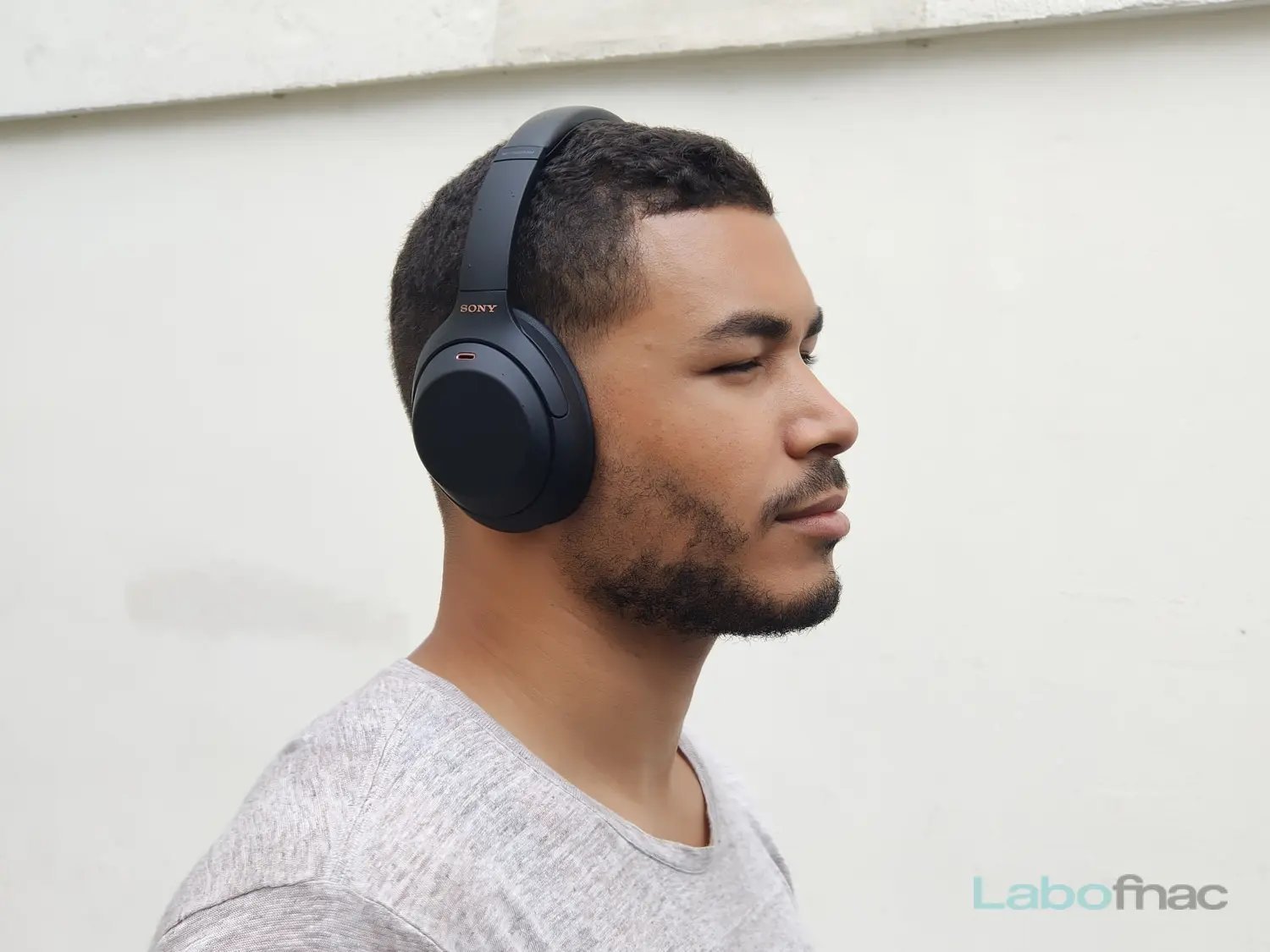
You don't need to spend $350 for peace and quiet. So what is the best budget noise-canceling headphone under 100 dollars that actually delivers?
So, what is the best budget noise-canceling headphone under 100 dollars? I went down the rabbit hole on this one so you don't have to. Here's everything worth knowing, minus the fluff.
The No-Fluff Answer
The Soundcore Life Q30 ($80, often $60 on sale) is the king of budget ANC — genuinely effective noise canceling, 40-hour battery, and comfortable for long sessions. The EarFun Wave Pro ($80) and 1More SonoFlow ($70–$100) are strong alternatives with slightly different sound signatures. Honest caveat: $80 ANC won't match Sony or Bose flagships on airplanes, but it crushes office chatter, commutes, and household noise — which is what most people actually need.
Simple enough on the surface. But once you look closer, there are a few things that can trip you up if you're not careful.
You might also want to check out What is the best budget smartphone under 300 dollars.
For the official word, check Soundcore's official product page, which lays out the details straight from the source.
What Is the Best Budget Noise-Canceling Headphone Under 100 Dollars?
- Soundcore Life Q30: the default pick — hybrid ANC, 40-hour battery, multipoint connection, often $60 on sale.
- EarFun Wave Pro: slightly better ANC than the Q30 with LDAC support for Android users.
- 1More SonoFlow: warm sound signature that music lovers tend to prefer.
- Budget ANC handles voices, hums, and commutes well; airplane engine drone is where flagships pull ahead.
- The part nobody mentions: Comfort matters as much as ANC — all three picks are wearable for 4+ hours.
A Quick Real-World Example
I wore the Life Q30 on a cross-country flight expecting disappointment. Were they Bose? No. But the engine drone dropped to a distant hum, I slept three hours, and they cost a fifth of the price. For office and commute use, I genuinely can't justify more.
Getting the Most From Budget ANC
A quick word on security, because this is where people get burned quietly. Most tech headaches I hear about — hacked accounts, lost photos, weird charges — trace back to boring basics: reused passwords, skipped updates, no backup. It’s not exciting advice, but a password manager and two-factor authentication will protect you more than any antivirus subscription ever will. Set them up once and they just work in the background.
Backups deserve their own mention. Not “I’ll get around to it” backups — automatic ones. The 3-2-1 rule is the gold standard for a reason: three copies of anything important, on two different types of storage, with one copy offsite. Cloud plus an external drive covers most people. The day your phone takes a swim or your laptop dies, you’ll either be relieved or devastated, and the difference is entirely decided beforehand.
Let me save you from the most common tech-buying regret: buying for the person you wish you were instead of the person you actually are. The pro camera you’ll “learn photography” with, the smartwatch for the workouts you’ll “definitely start,” the high-end laptop for hobbies that never materialize — we’ve all been there. Buy for your real life, not your aspirational one. Your real life is where the thing has to earn its keep.
On the flip side, don’t cheap out on the things you touch every day. The device you stare at for six hours daily, the chair you sit in, the headphones on your commute — a little extra here pays you back in comfort every single day. Splurge where the hours go, save where they don’t. That’s the whole philosophy, and it’s never steered me wrong.
You might also want to check out What is the best smartwatch for someone who just wants fitness tracking.
Practical Tips Worth Knowing
- Don't skip this: a good seal is everything — ANC can't fix sound leaking around the earcups.
- If you remember one tip from this list, make it this: update firmware on day one; manufacturers improve ANC algorithms in updates.
- It's not glamorous, but it works: use multipoint to stay connected to phone and laptop simultaneously.
- It's not glamorous, but it works: wait for sales; these models regularly drop 25–30% during promo events.
Common Pitfalls to Dodge
- Watch out for this: expecting $80 headphones to match $350 flagships, then declaring all budget ANC 'fake'. It's the kind of thing that seems fine until it isn't.
- A lot of folks buying no-name 'ANC' headphones with zero reviews — the ANC is often pure marketing. — and honestly, it's an easy trap to fall into.
- Here's one I see constantly: ignoring comfort; the best ANC is useless if they hurt after an hour. Don't let it happen to you.
Before You Go: Quick FAQs
How do I know I'm getting a fair price?
Get three quotes. It's the oldest advice in the book because it works. You'll quickly see the going rate, and outliers in either direction tell you something — suspiciously cheap often means corners cut, while the priciest option isn't automatically the best. Ask what each quote includes so you're comparing apples to apples.
What's the biggest mistake beginners make?
Rushing. People either buy the first option they see or dive into a fix without reading the instructions twice. Slow down, compare at least three options, and read the fine print — especially around warranties, return windows, and what's actually included. Ten extra minutes of patience routinely saves hundreds of dollars.
Is the cheapest option ever the right call?
Sometimes, but rarely for things you depend on daily. The cheapest option usually cuts something — quality, support, longevity, or all three. The sweet spot is almost always the mid-range: proven, reasonably priced, with real support behind it. Buy cheap twice and you've spent more than buying right once.
The Bottom Line
The Soundcore Life Q30 at $60–$80 delivers 80% of the flagship experience for 20% of the price. For offices, commutes, and home, that's more than enough.
Look, nobody wants to overthink this stuff. But twenty minutes of reading now beats an expensive mistake later.
Related reading: What is the best cheap tablet for reading ebooks and watching movies.
One more useful resource: the FTC's guide to shopping for electronics — worth bookmarking before you make any final decisions.


