
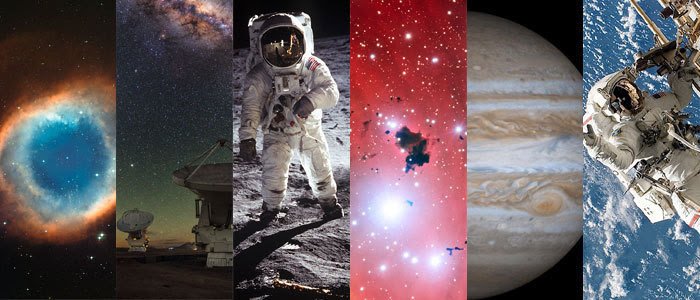
Space documentaries hit different. They’re the rare films that make you feel tiny and infinite at the same time — and the good ones combine jaw-dropping visuals with genuinely fascinating science and human drama. Whether you’re a lifelong space nerd or just space-curious, these are the best documentaries about space exploration, from the definitive Apollo chronicles to the new commercial space race.
What Are the Best Documentaries About Space Exploration? The Essential List
The Apollo era (start here)
Apollo 11 (2019). The single greatest space documentary ever made. Built entirely from restored 70mm archival footage and mission audio — no narration, no talking heads — it puts you inside the 1969 mission with staggering immediacy. The launch sequence alone is worth it. If you watch one space documentary, make it this one.
For All Mankind (1989). Al Reinert’s poetic masterpiece about the Apollo program, scored by Brian Eno. Less about technical detail, more about what it felt like — the wonder, the risk, the perspective shift. A completely different experience from Apollo 11 and equally essential.
When We Left Earth (2008). The Discovery Channel miniseries covering Mercury through the ISS. The most comprehensive single overview of NASA’s history — perfect if you want the full story arc in one place.
The science and the cosmos
Cosmos: A Spacetime Odyssey (2014). Neil deGrasse Tyson’s reboot of Carl Sagan’s legendary series. Gorgeous, accessible, and genuinely educational — the rare documentary that works for curious kids and adults alike. The episode on the cosmic calendar (compressing the universe’s history into one year) is mind-bending.
The Farthest: Voyager in Space (2017). The story of the Voyager probes — humanity’s most distant ambassadors, still transmitting from interstellar space. It’s about engineering, but it’s really about ambition and what we choose to say about ourselves to the universe (the Golden Record segment is beautiful).
Black Holes: The Edge of All We Know (2020). Follows the team that captured the first image of a black hole. Great science storytelling — you actually understand what you’re looking at by the end, which is no small feat for black holes.
The human stories
Hidden Figures (2016). Technically a dramatization, but the story of Katherine Johnson, Dorothy Vaughan, and Mary Jackson — the Black women mathematicians essential to NASA’s success — is essential space history. Watch it, then read about the real women.
The Last Man on the Moon (2014). Gene Cernan’s story — the most recent human to walk on the Moon (1972), reflecting on what it meant. Poignant, funny, and a reminder of how long it’s been since we’ve been back.
Challenger: The Final Flight (2020). The definitive account of the 1986 disaster — thorough, respectful, and infuriating in its account of the institutional failures. Hard to watch, important to understand.
The new space race
Return to Space (2022). SpaceX’s Crew Dragon program and the Demo-2 mission. A front-row seat to the commercial spaceflight era — fascinating whether you’re a Musk skeptic or fan, because the engineering is undeniably impressive.
Good Night Oppy (2022). The Mars rovers Spirit and Opportunity — robots that were supposed to last 90 days and kept going for years. This one will make you cry about a robot. You’ve been warned.
Where to Watch Them
Documentary availability shifts constantly — check JustWatch for current streaming locations. Many of the best space docs rotate through the major services, and several (including much of NASA’s own archive) are free: NASA’s official YouTube channel and nasa.gov host enormous amounts of footage, mission coverage, and mini-documentaries at zero cost. Your library’s Kanopy access likely includes several titles on this list too.
Going Deeper: Beyond Documentaries
If these spark the obsession: read — A Brief History of Time (Hawking), Astrophysics for People in a Hurry (Tyson), The Right Stuff (Wolfe) are the classic entry points, and my reading more as a busy adult guide has systems for actually finishing them. Watch the launches live — NASA and SpaceX stream every launch free. Visit — the Kennedy Space Center, Space Center Houston, and the Smithsonian Air and Space Museum are pilgrimage-worthy. And for stargazing, a $30 star chart and dark skies beat any documentary for pure wonder.
For family viewing, pair these with my family movie picks — Apollo 11 and Good Night Oppy work beautifully for older kids.
The Practical Takeaway
Best space documentaries: Apollo 11 for the definitive mission film, Cosmos for the science, The Farthest for the probes, Challenger for the hard history, Good Night Oppy for the feels, Return to Space for the new era. Check JustWatch for streaming, raid NASA’s free archives, and watch a launch live when you can.
Start with Apollo 11 tonight. The launch sequence will rearrange something in your brain.
Space Documentaries for Kids
Young space fans need their own entry points. Hidden Figures works for ages 8+ (the math-is-cool message lands hard). Cosmos: Possible Worlds (the 2020 sequel series) is family-friendly and visually stunning. Apollo 11 captivates kids with the sheer spectacle — no narration means no boring parts. For the youngest, Ready Jet Go! and StoryBots: Outer Space sneak real science into fun formats. And nothing beats pairing a documentary with a real night of stargazing: watch Apollo 11, then go outside and find the Moon. That one-two punch has launched a thousand science fair projects. My family movie guide has more all-ages picks for the space-curious household.
There’s a reason space documentaries leave such a mark: they remind us that humans — flawed, funny, fragile humans — built machines that touched other worlds and sent back pictures. Every one of these films is, underneath the science, a story about curiosity and courage. Watch them, feel small, feel inspired, and then go outside on a clear night and look up. The universe is still there, still waiting, and now you know a little more about our journey into it.
If these films leave you wanting the real-time experience, follow an active mission. NASA’s Perseverance rover, the James Webb Space Telescope, the Artemis program — all have public feeds, regular updates, and moments of genuine drama (landings, deployments, first images). Watching a landing live, knowing the years of work behind seven minutes of terror, connects you to the story these documentaries tell. Space exploration isn’t just history; it’s happening right now, and you can follow along for free.


