
What Are Must-See Attractions in Washington DC? (The Local’s List)
What are must-see attractions in Washington DC? The remarkable thing about DC is how much of the best stuff is free — the Smithsonian museums, the monuments, the National Zoo, all free, all world-class. It’s arguably America’s best-value major destination, and first-timers are always surprised by how much there is beyond the postcard sights.
I’ve visited DC a dozen times and lived nearby for years. The tourist checklist is real, but the difference between a good DC trip and a great one is knowing which museums deserve your limited hours and when to see the monuments. Here’s the local’s list.
The Monuments and Memorials (Do These Right)
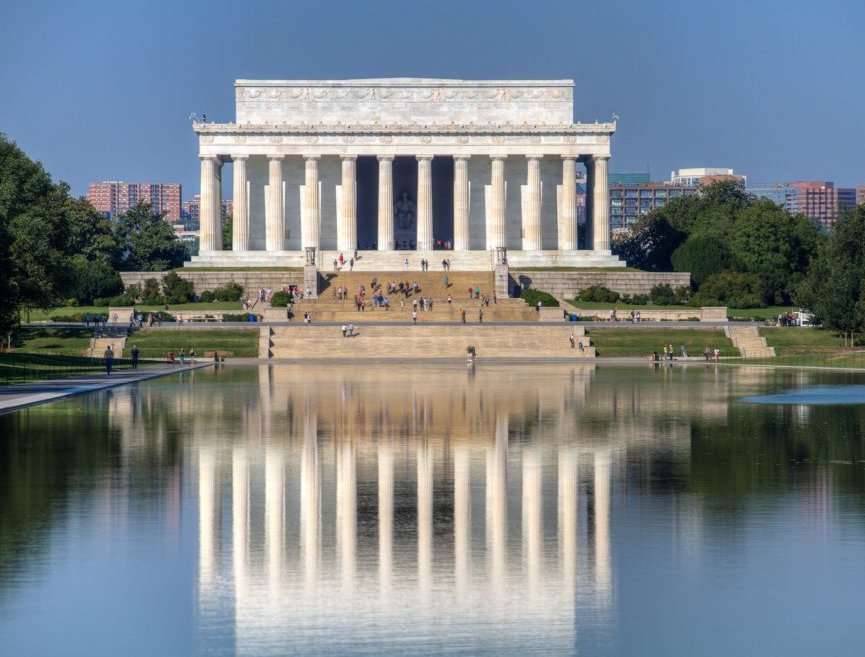
- Lincoln Memorial at sunrise or after dark. The crowds thin dramatically, the lighting is spectacular, and the experience is meditative instead of chaotic. Daytime Lincoln is a mosh pit; nighttime Lincoln is magic.
- The National Mall walk. Capitol to Lincoln, 2 miles, with the Washington Monument, WWII Memorial, and Reflecting Pool along the way. Do it once — it’s the essential DC pilgrimage.
- Vietnam Veterans Memorial. Quiet, devastating, essential. Go early morning for the full effect.
- Martin Luther King Jr. Memorial. Powerful and beautifully designed — many visitors’ surprise favorite.
- Jefferson Memorial across the Tidal Basin. Lovely at cherry blossom season (late March–early April), worth it year-round.
The Smithsonian: Which Museums Deserve Your Hours
There are 19 Smithsonian museums and you can’t do them all. Prioritize:
- National Museum of American History. The Star-Spangled Banner, presidential artifacts, pop culture — the most broadly appealing.
- National Air and Space Museum. The Wright Flyer, Apollo 11, otherworldly. Recently renovated and better than ever. Kids’ favorite, adults’ too.
- National Museum of Natural History. Dinosaurs, the Hope Diamond, the ocean hall — the classic “wow” museum.
- National Gallery of Art. World-class collection, calmer than the big museums, with a lovely sculpture garden.
- National Museum of African American History and Culture. Profound and essential — timed entry passes required, book ahead.
- Skip-or-if-time: the smaller galleries unless you have a specific interest. Depth beats breadth in museum triage.
What Are Must-See Attractions in Washington DC Beyond the Mall?
- The National Zoo (free). Pandas are the headliners but the whole zoo is excellent. In Woodley Park — combine with the charming neighborhood.
- Georgetown. Historic streets, waterfront, shopping, great food. The most pleasant neighborhood stroll in the city.
- Eastern Market / Union Market. Food halls and local flavor — where DC actually eats on weekends.
- The Wharf. The revitalized waterfront: restaurants, concerts, water taxis. Great at sunset.
- Library of Congress. The most beautiful interior in Washington — the Main Reading Room view alone is worth the trip. Free, timed entry.
- Arlington National Cemetery. Across the river, solemn and moving. The Changing of the Guard at the Tomb of the Unknown Soldier runs every 30–60 minutes.
The 3-Day First-Timer’s Plan
- Day 1: National Mall monuments (morning) + one Smithsonian museum (afternoon) + monuments at night.
- Day 2: Two museums (American History + Air and Space, or your picks) + Georgetown evening.
- Day 3: Zoo morning + Library of Congress + neighborhood exploring (U Street, Adams Morgan, or the Wharf).
Book ahead: Washington Monument tickets (recreation.gov, they go fast), African American History museum timed passes, and any Capitol/White House tours (through your congressional representative, weeks ahead). For the broader family-trip context, see the best family-friendly US destinations — DC tops that list for a reason.
Practical DC Tips
- The Metro is your friend. Clean, extensive, and cheap compared to parking ($20+/day downtown). Get a SmarTrip card on your phone.
- Museums are free but timed. Several now require free timed-entry passes — check each museum’s site before you go.
- Walk the Mall; Metro the rest. The central sights cluster walkably; everything else is a quick Metro ride.
- Cherry blossom season is glorious chaos. Late March–early April: book hotels 6+ months ahead, expect crowds, and go early morning for the Tidal Basin.
DC on a Budget (Beyond the Free Museums)
DC’s free attractions are legendary, but the paid stuff adds up — here’s how to keep the whole trip cheap:
- Eat at the markets. Eastern Market and Union Market: great food at non-tourist prices. The museum cafés are convenient and overpriced.
- Stay outside the center. Arlington, Alexandria, or Silver Spring — Metro-accessible, 30–40% cheaper than downtown.
- Walk the Mall; Metro the rest. The central sights cluster walkably. A SmarTrip card on your phone handles the rest cheaply.
- Free events calendar. Concerts, festivals, and performances — DC’s free event scene is enormous, especially summer.
- Waterfront sunsets free. The Wharf, Georgetown waterfront, Roosevelt Island — the city’s best free evening entertainment.
The same free-first strategy works in other pricey cities — our guide to the best free things to do in San Francisco applies the identical playbook on the West Coast. And Washington.org, the city’s official tourism site, lists current free events and timed-entry requirements — check it before you go.
DC With Kids (The Family Playbook)
- One museum per day max. Kids hit museum walls fast. Pair each museum with an outdoor monument or park session.
- The Zoo is the pressure valve. When museum fatigue sets in, the National Zoo (free) resets everyone.
- Scavenger hunts. Make the museums a game — find the dinosaur, the Hope Diamond, the First Ladies’ gowns. Engaged kids, happy parents.
- Metro as attraction. Kids love the Metro itself — the escalators (famously long), the maps, the independence of navigating.
- Picnic on the Mall. Grab market food, eat on the grass between monuments. The most memorable meal of the trip, cheapest too.
DC After Dark (Free and Magical)
The monuments after dark are a different city — floodlit marble, reflecting pools doubling the glow, and a fraction of the daytime crowds. The Lincoln, Jefferson, and MLK memorials are all open 24 hours and most moving at night. Walk the Mall after dinner (it’s well-lit and patrolled), catch the illuminated Capitol dome from the west side, and finish at the Wharf for the waterfront lights. Nighttime DC is the version locals love most — and it costs nothing.
The Bottom Line
DC’s must-sees are the monuments (best at sunrise or night), a curated pick of free Smithsonian museums (American History, Air and Space, Natural History), the Zoo, Georgetown, and the Library of Congress. Book timed passes ahead, use the Metro, walk the Mall, and give it three days minimum. It’s the rare destination where the best things cost nothing.


