
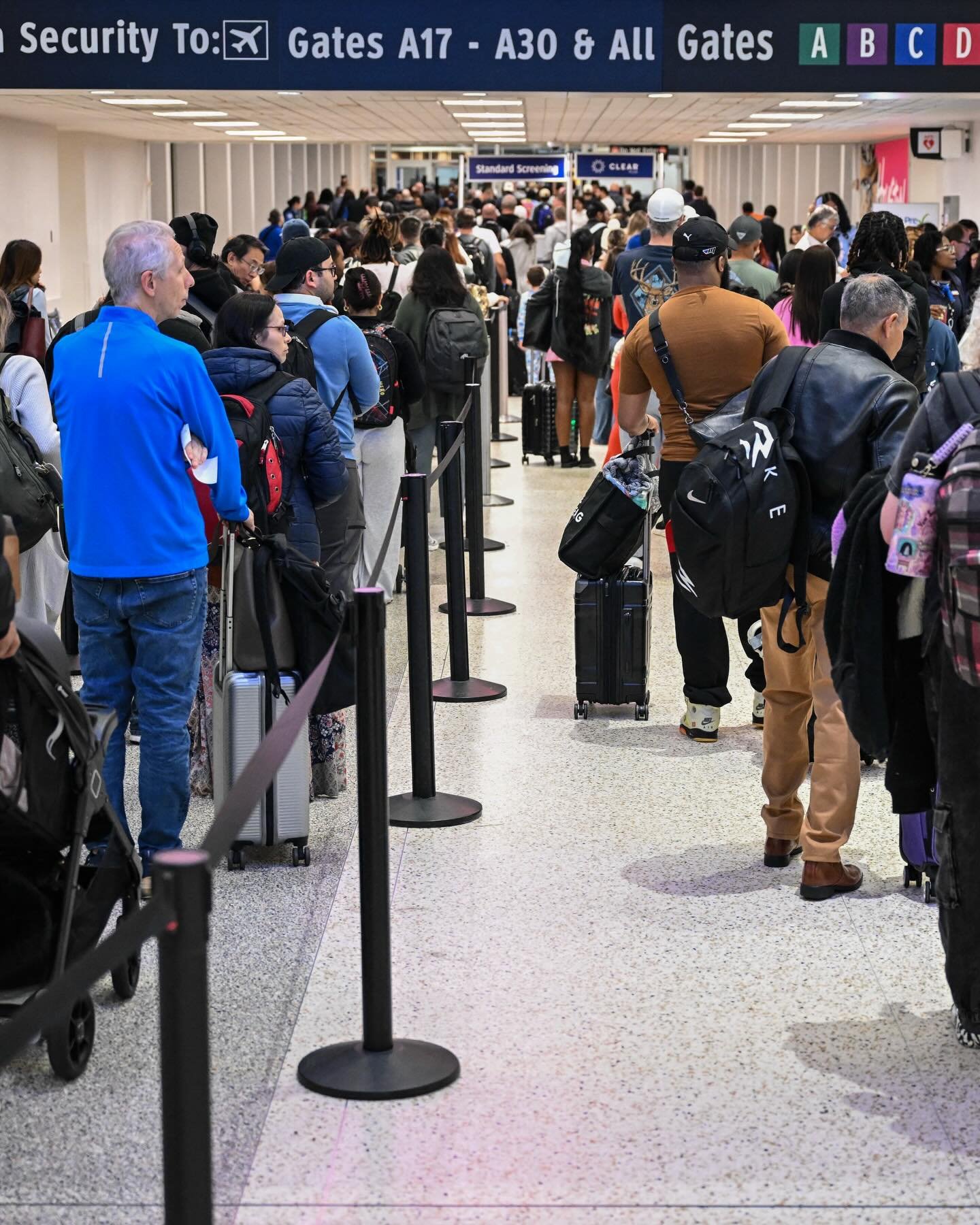
You’re standing in the regular security line, shoes off, laptop out, watching the TSA PreCheck lane glide by with its shoes-on, laptops-in efficiency. And you wonder: is it worth getting TSA PreCheck for occasional travelers, or is it only for road warriors? I fly maybe 4–6 times a year — firmly “occasional” — and I got PreCheck a few years ago. Here’s my honest math on whether you should too.
What TSA PreCheck Actually Gets You
Quick refresher: PreCheck ($78 for 5 years as of recent pricing — it dropped from $85) gives you access to expedited security lanes at 200+ US airports. You keep your shoes, belt, and light jacket on; laptops and compliant liquids stay in your bag. The TSA reports most PreCheck passengers wait under 10 minutes. The regular line? Anywhere from 15 minutes to over an hour at peak times.
It also includes Global Entry-lite benefits for domestic travel only — if you fly internationally, Global Entry ($120/5 years) includes PreCheck plus expedited customs, which is arguably the better deal. But this article is about the occasional domestic traveler, so let’s focus.
Is It Worth Getting TSA PreCheck for Occasional Travelers? The Math
At $78 for five years, PreCheck costs $15.60 per year. If you fly 4 times a year (8 security screenings), that’s under $2 per screening. The question isn’t really money — it’s time and hassle:
- Time saved per trip: 10–30 minutes each way at busy airports. Over 5 years and 40 screenings, that’s 7–20 hours of your life back.
- Stress saved: Harder to quantify, but real. No shoe dance, no laptop repacking, no anxiety about making your flight during holiday travel. For nervous flyers or parents wrangling kids through security, this alone justifies it.
- The application effort: One-time online application (10 minutes), one in-person appointment (10 minutes at an enrollment center — there are hundreds, including many Staples locations now), then a background check. Most people are approved within days; some wait a few weeks.
My verdict: if you fly even 2–3 times a year through medium or large airports, it’s worth it. The cost is trivial spread over five years, and the convenience compounds. The only travelers I’d tell to skip it: people who fly once a year from tiny airports with no lines, or those who already have it bundled (see below).
You Might Already Have It (or Get It Free)
Before you pay, check these:
- Global Entry includes PreCheck. If you have Global Entry, you’re done — your Known Traveler Number works for PreCheck.
- Credit cards that reimburse it. Many travel cards (Chase Sapphire Reserve, Amex Platinum, Capital One Venture X, and others) refund the PreCheck or Global Entry fee as a statement credit every 4–5 years. If you hold one, PreCheck is effectively free — and at that point there’s no reason not to get Global Entry instead for the extra $42.
- Military and DoD civilians get it free via their ID.
- TSA PreCheck via other trusted traveler programs. NEXUS ($50/5 years) includes PreCheck and Global Entry benefits — the best value if you live near the Canadian border and can get to an enrollment center.
What About CLEAR?
CLEAR ($189/year) is the other expedited option you’ve seen — the one with the eye/fingerprint scan that jumps you to the front of the ID check. Key differences: CLEAR skips the ID line but you still go through regular physical screening (shoes off, etc.) unless you also have PreCheck. Many travelers stack both. For occasional travelers, CLEAR’s annual price is hard to justify — it’s priced for weekly flyers at hub airports. PreCheck alone covers 80% of the benefit at a fraction of the cost.
Tips for Getting the Most Out of It
- Add your Known Traveler Number to every booking. PreCheck only works if the KTN is on your reservation — including flights booked by others or through work travel portals. Check that the PreCheck logo appears on your boarding pass.
- It doesn’t guarantee the PreCheck lane is open. At small airports or off-hours, the dedicated lane may be closed and you’ll go through standard screening (still usually with expedited handling).
- Kids 12 and under can go through PreCheck lanes with an enrolled parent. Teens 13–17 need their own enrollment.
- Renewal is easy. Most renewals are online with no appointment. Don’t let it lapse — set a calendar reminder for year five.
- Random exclusion happens. Occasionally even enrolled travelers don’t get the PreCheck indicator on a boarding pass. It’s rare and random; there’s no fix at the airport.
PreCheck With Kids and Family Travel
Family security lines are their own special circle of travel hell — strollers, snacks, shoes, chaos. PreCheck changes the equation significantly:
- Kids 12 and under go through PreCheck with an enrolled parent or guardian — no separate enrollment needed. This alone is worth it for parents: keeping shoes on wrangling toddlers is transformative.
- Teens 13–17 can also use the lane with an enrolled parent, but they need their own PreCheck enrollment to get the indicator on their own boarding pass consistently. For frequent family travel, enroll them — it’s the same $78.
- Everyone on the reservation needs the indicator. If one parent has PreCheck and the other doesn’t, you’re splitting up or all going through the slow line. Enroll both adults or the benefit evaporates for family trips.
- Strollers and car seats still go through the X-ray belt (folded), but keeping your shoes on and laptop packed while managing them is the real win.
- Liquids rule still applies — the 3-1-1 rule doesn’t vanish with PreCheck, just the shoe/laptop/jacket dance.
For families flying internationally, remember that every child needs their own passport — including infants — and children’s passports expire every 5 years, not 10. Check expiration dates months before booking, since renewal backlogs happen. And if your family trips tend toward the ambitious — say, a multi-city European adventure — Global Entry (which includes PreCheck) pays for itself the first time you skip the customs line with tired kids at the end of a transatlantic flight.
The Practical Takeaway
Is TSA PreCheck worth it for occasional travelers? For most people flying 2+ times a year: yes. At roughly $16/year, it pays for itself in saved time and reduced stress almost immediately — and if a travel credit card reimburses the fee, it’s a no-brainer (get Global Entry instead). Skip CLEAR unless you’re a very frequent flyer. Apply once, add your Known Traveler Number to your airline profiles, and enjoy never doing the security-line shoe dance again. If you’re planning a girls’ weekend with friends flying in from different cities, getting everyone enrolled before the trip makes the airport part genuinely painless.


