
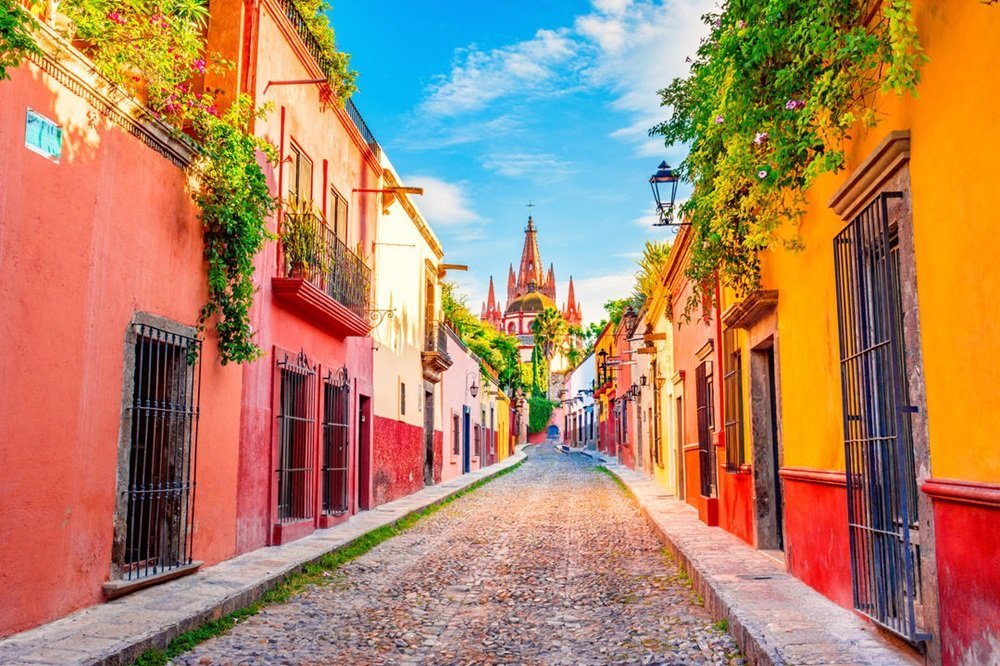
Is It Safe to Drink Tap Water When Traveling in Mexico? (Honest Answer)
Is it safe to drink tap water when traveling in Mexico? For most travelers, in most of Mexico: no, don’t drink it straight. This isn’t about Mexico being “dirty” — it’s about different water treatment and different microbes than your gut knows. Locals drink it fine (or use filters/purifiers); visitors’ stomachs are the issue, and “Montezuma’s revenge” ruins more vacations than anything else in the country.
The good news: staying safe is easy and cheap, and it doesn’t mean living in fear of ice cubes. Here’s the nuanced, practical guide — what to avoid, what’s actually fine, and the systems that keep you healthy.
The Short Answer, Then the Nuance
Don’t drink tap water straight in most of Mexico. Do use bottled, purified, or properly filtered water for drinking and brushing teeth. That’s the baseline that keeps 99% of travelers safe.
The nuance: Mexico is huge and varied. Major cities’ water is treated (Mexico City’s is technically potable at the plant — but aging pipes recontaminate it). Some upscale hotels and resorts have on-site purification. A few areas have genuinely good tap water. But as a visitor, you can’t verify any of this — so the simple rule (don’t drink it) beats the complicated one (research each neighborhood’s infrastructure).
What About Ice, Salads, and Street Food?
- Ice: in tourist areas and established restaurants, ice is almost always made from purified water (it’s commercially produced). The sketchy-ice era is largely over in places tourists go. In very rural areas, ask or skip.
- Salads and raw vegetables: washed in local water is the theoretical risk. In practice, tourist restaurants wash in purified water. Street stalls vary — eat where it’s busy (high turnover = fresh).
- Street food: generally safe if it’s cooked fresh in front of you and busy. The heat kills the microbes; the crowd proves the turnover. This is where the best food is — don’t skip it from fear.
- Fruit: peel it yourself (bananas, oranges, mangoes) = always safe. Pre-cut fruit from vendors: use judgment based on the stall’s cleanliness.
Is It Safe to Drink Tap Water When Traveling in Mexico? Your Safety System.
- Bottled water everywhere. It’s cheap ($0.50–$1 for large bottles), available everywhere, and most hotels provide it free. This is 90% of the system.
- Brush teeth with bottled water. The one people forget. Keep a bottle by the sink.
- Keep your mouth closed in the shower. Minor exposure, but why risk it.
- Carry a reusable bottle + purification. A Grayl-style purifier bottle or Steripen pays for itself environmentally and financially on longer trips — and works worldwide, not just Mexico.
- Electrolytes in your kit. Oral rehydration salts weigh nothing and fix most mild cases fast. Bring them; hope not to use them.
If You Get Sick Anyway
- Mild cases: rest, fluids, electrolytes, bland food. Most resolve in 24–48 hours.
- See a doctor/pharmacy for: fever, blood, dehydration signs, or anything lasting 3+ days. Mexican farmacias are excellent — pharmacists can advise and dispense many medications directly.
- Prevention beats treatment: hand sanitizer before eating, eat where locals eat (busy = safe), and be extra careful the first 2–3 days while your gut adjusts.
The same principles apply broadly — our dietary restrictions abroad guide covers sensitive stomachs generally, and avoiding tourist traps helps you find the busy local spots that are safest. For general food budgeting on trips: vacation food budgets.
Water Safety Beyond Mexico (The Global Rules)
- The general rule: if you’re unsure, don’t drink it straight. This applies across much of the developing world, not just Mexico.
- Brushing teeth: use bottled or purified water wherever tap safety is questionable. It’s the habit travelers forget most.
- Showers: keep your mouth closed. Minor exposure is low-risk, but the habit costs nothing.
- Ice: commercially produced ice (cylindrical with holes, or branded bags) is safe virtually everywhere. Crushed or irregular ice in remote areas — ask or skip.
- Hot drinks: boiled water is safe — the tea and coffee rule holds worldwide. Boiling kills the pathogens; it’s the gold standard.
The CDC’s traveler health pages maintain destination-specific water and food safety guidance — check your specific destination before any international trip, not just Mexico. The principles are universal; the details vary by place.
Staying Hydrated in Hot Climates
- Drink before you’re thirsty. Thirst lags dehydration — in heat, drink on schedule, not on feeling.
- Electrolytes matter. Water alone in extreme heat can dilute sodium. Oral rehydration salts or electrolyte drinks for heavy-sweat days.
- Carry always. The reusable bottle goes everywhere — daypack, beach bag, restaurant. Dehydration sneaks up in air conditioning too.
- Watch the signs. Headache, fatigue, dark urine, dizziness — early dehydration signals. Respond fast with fluids and shade.
- Alcohol dehydrates. The beach cocktail counts against your hydration, not for it. Alternate one-to-one with water.
Mexico Travel Health Kit
Pack the health kit that prevents 90% of Mexico travel misery: oral rehydration salts (the #1 item — dehydration from any cause, fixed fast), anti-diarrheal medication (for the travel days when you can’t afford to be sick), a broad-spectrum antibiotic (prescribed by your doctor before travel, for the severe cases), hand sanitizer (use before every meal, religiously), sunscreen and insect repellent (the twin preventatives), and any personal prescriptions plus copies. The kit weighs almost nothing and lives in your daypack.
Know before you go: your hotel’s doctor-on-call number, the nearest quality hospital (ask your hotel or check expat forums — quality varies enormously), and your travel insurance’s emergency line. Most Mexico trips need none of this — but the travelers who pack it are the ones who relax completely, which is rather the point of the trip.
The Bottom Line
Don’t drink Mexican tap water straight — use bottled or purified for drinking and brushing teeth. Ice in tourist areas is fine (commercially purified), street food cooked fresh at busy stalls is safe and delicious, peel-your-own fruit is always fine, and carry oral rehydration salts just in case. The rule is simple, the compliance is easy, and it keeps the vacation about the vacation.


