
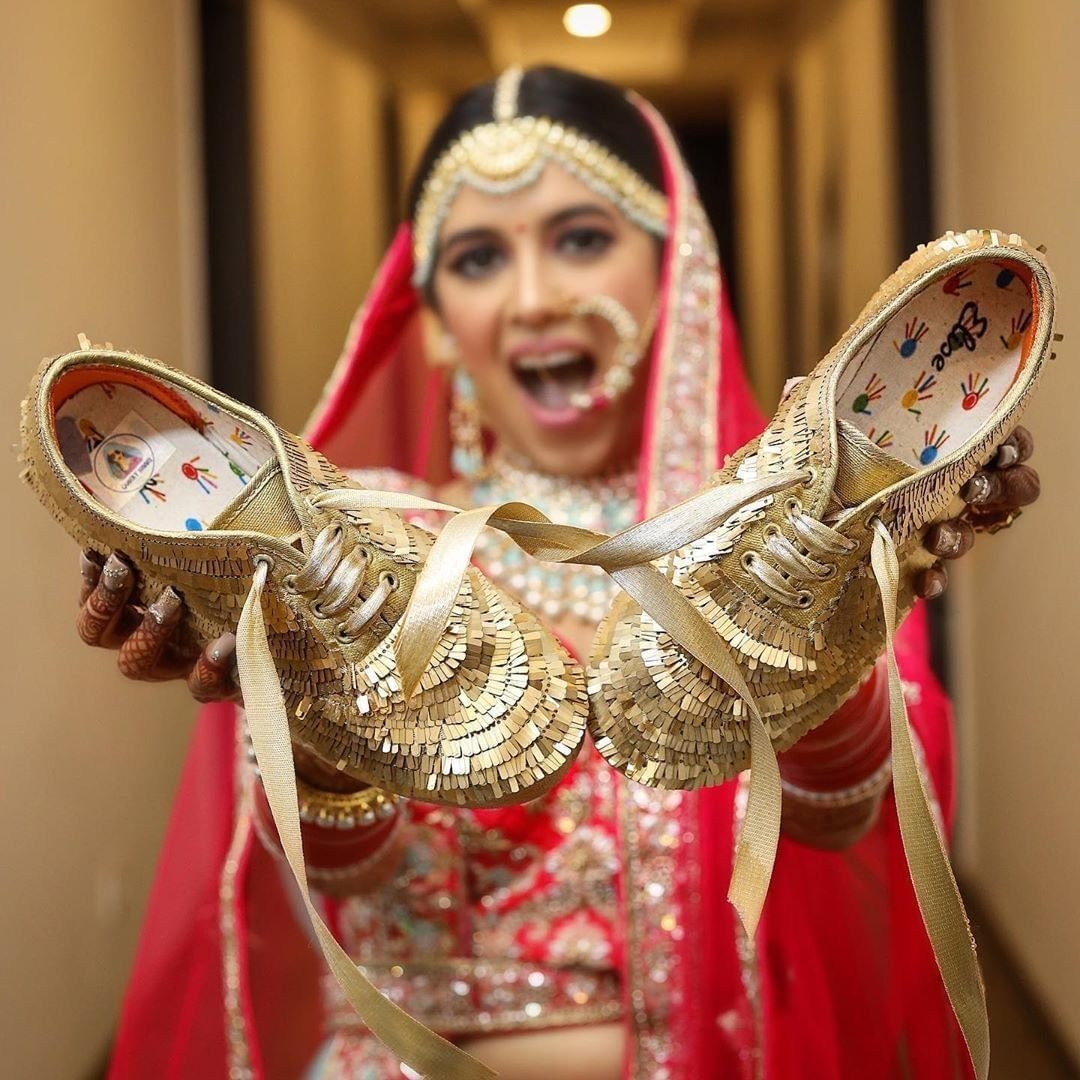
Weddings have gotten more casual, sneakers have gotten more fashionable, and now those two trends are colliding on your invitation. Is it okay to wear sneakers to a casual wedding? The honest answer: sometimes — but “casual wedding” covers a wide range, and the sneakers in question matter enormously. Let’s sort out exactly when it works and how to do it right.
When Sneakers Are Okay
- The dress code explicitly allows it. “Casual attire,” “come as you are,” or the couple themselves wearing sneakers — green light. Some couples even request it (dancing-friendly weddings).
- Outdoor/rustic venues. Barn, backyard, beach, garden weddings where the vibe is relaxed and the terrain punishes dress shoes — clean sneakers are practical and appropriate.
- Daytime, informal celebrations. A Saturday afternoon backyard wedding is a different universe from a Saturday evening ballroom one.
- You’re in the wedding party and were told to. Coordinated sneaker looks for bridal parties are a real trend — follow the brief.
When Sneakers Are NOT Okay
- The dress code is semi-formal or above. Cocktail, formal, black tie — sneakers are a no, regardless of how nice they are. See summer wedding guest attire for what to wear instead.
- Traditional or religious venues. Churches, temples, formal country clubs — respect the setting over your feet.
- Evening weddings. Evening = dressier, almost universally. The later the start time, the less appropriate sneakers become.
- You’re unsure. When in doubt, don’t. Being slightly overdressed is a compliment to the couple; being underdressed can read as not caring.
Which Sneakers Qualify (If It’s a Yes)
Not all sneakers are wedding sneakers. The acceptable tier:
- Minimal leather sneakers: clean white or neutral leather low-tops (Common Projects style, or affordable equivalents). These read as intentional footwear, not gym shoes.
- Fresh, pristine condition: whatever you wear must look brand new. Scuffed, dirty sneakers at a wedding are never okay — our white sneaker cleaning guide gets them wedding-ready.
- Stylish knit or canvas: premium-looking knit sneakers in neutral tones can work with the right outfit.
Never: running shoes, basketball shoes, beat-up everyday sneakers, neon athletic shoes, or anything with visible gym wear. If you’d wear them to work out, don’t wear them to a wedding.
How to Style Them Right
- Women: a midi or maxi dress with minimal white sneakers is the proven formula — feminine dress, clean shoe, intentional contrast. Jumpsuits work too. Avoid: sneakers with formal cocktail dresses (the formality clash looks accidental).
- Men: chinos or dark jeans (if truly casual), button-down or polo, blazer optional, minimal sneakers. The rest of the outfit must be sharp — sneakers lower the formality, so everything else rises to compensate.
- The 80/20 rule: if sneakers are the 20% casual, make the other 80% polished. Wrinkled clothes + sneakers = sloppy. Pressed, fitted clothes + clean sneakers = style choice.
The Safer Alternatives
If you’re on the fence, these give comfort without the question: dressy flat sandals, loafers, clean ballet flats, low block heels, or stylish mules. All comfortable, all unambiguously wedding-appropriate. For dancing all night, pack foldable flats in your bag and change after photos — the best of both worlds.
Is It Okay to Wear Sneakers to a Casual Wedding? Your Questions Answered
What do I do if the dress code just says “casual”?
“Casual” on a wedding invitation is the most ambiguous dress code in existence — it ranges from “nice sundress” to “jeans are fine” depending on the couple. Your detective work: check the venue (backyard = truly casual; restaurant = dressy casual), the time (daytime = more casual; evening = less), and ask the couple or wedding party directly (“How casual are we talking?”). The safe interpretation: dressy casual — one step above everyday, one step below cocktail. Clean minimal sneakers can work here, but so can the safer alternatives (loafers, dressy flats). When the code is vague, aim for the polished end of casual.
Are there wedding-appropriate sneakers for men?
Yes, with the same rules as women’s: minimal, premium-looking, pristine. Clean white or off-white leather low-tops (the Common Projects aesthetic, at any price point), minimal knit sneakers in neutral tones, or premium canvas in solid colors. What disqualifies: athletic branding, bright colors, visible wear, chunky “dad shoe” silhouettes (too casual even for casual weddings), and anything you’d wear to the gym. Pair with chinos or dark jeans, a button-down, and optionally a blazer — the outfit around the sneakers must be sharp enough that the shoes read as a choice. The Knot’s groom and guest guides increasingly address this exact question as weddings get more relaxed.
What if I’m in the wedding party and hate the assigned shoes?
Communicate early and privately with the couple — not the week before, and not as a group complaint. Frame it around a solvable problem: “I’m worried about walking on grass in these — would a block heel in the same color work?” Most couples care about the photos (cohesive look) more than the specific shoe, and reasonable alternatives usually get approved. What doesn’t work: silently substituting something different (it shows in photos and breeds resentment) or suffering through genuine pain (miserable wedding party members show in photos too). Early, kind, specific communication solves 90% of shoe disputes.
Can I change into sneakers for dancing later?
This is the best of both worlds and widely done: wear the appropriate dress shoe for the ceremony and photos, then switch to clean, stylish sneakers (or foldable flats) for the reception dance floor. Pack them in a small bag and change after the formal photos. Nobody objects — by dancing time, the dress code has effectively relaxed, and comfortable guests dance more (which is what the couple wants). Pro tip: break in the dancing shoes beforehand too. Blisters don’t care about your planning.
What shoes should I avoid at any wedding?
The universal no-list: flip-flops (too casual for every wedding tier), athletic running shoes (even “nice” ones), visibly worn or dirty shoes of any kind, brand-new unbroken-in shoes (blisters by cocktail hour), and stilettos for outdoor venues (they sink into grass — the iconic wedding-shoe failure). Also: shoes you can’t walk in confidently. The aisle, the photos, the dancing — weddings are a marathon for feet. The best wedding shoe is the one that’s appropriate and walkable. When those conflict, walkable wins — limping is never the look.
The Bottom Line
Sneakers are okay at truly casual weddings — daytime, outdoor, explicitly relaxed dress codes — if they’re minimal, pristine, and styled with an otherwise polished outfit. They’re not okay at semi-formal or above, evening weddings, or traditional venues. When uncertain, ask the couple or choose the safer shoe. Respect for the occasion always outranks footwear preferences.


