
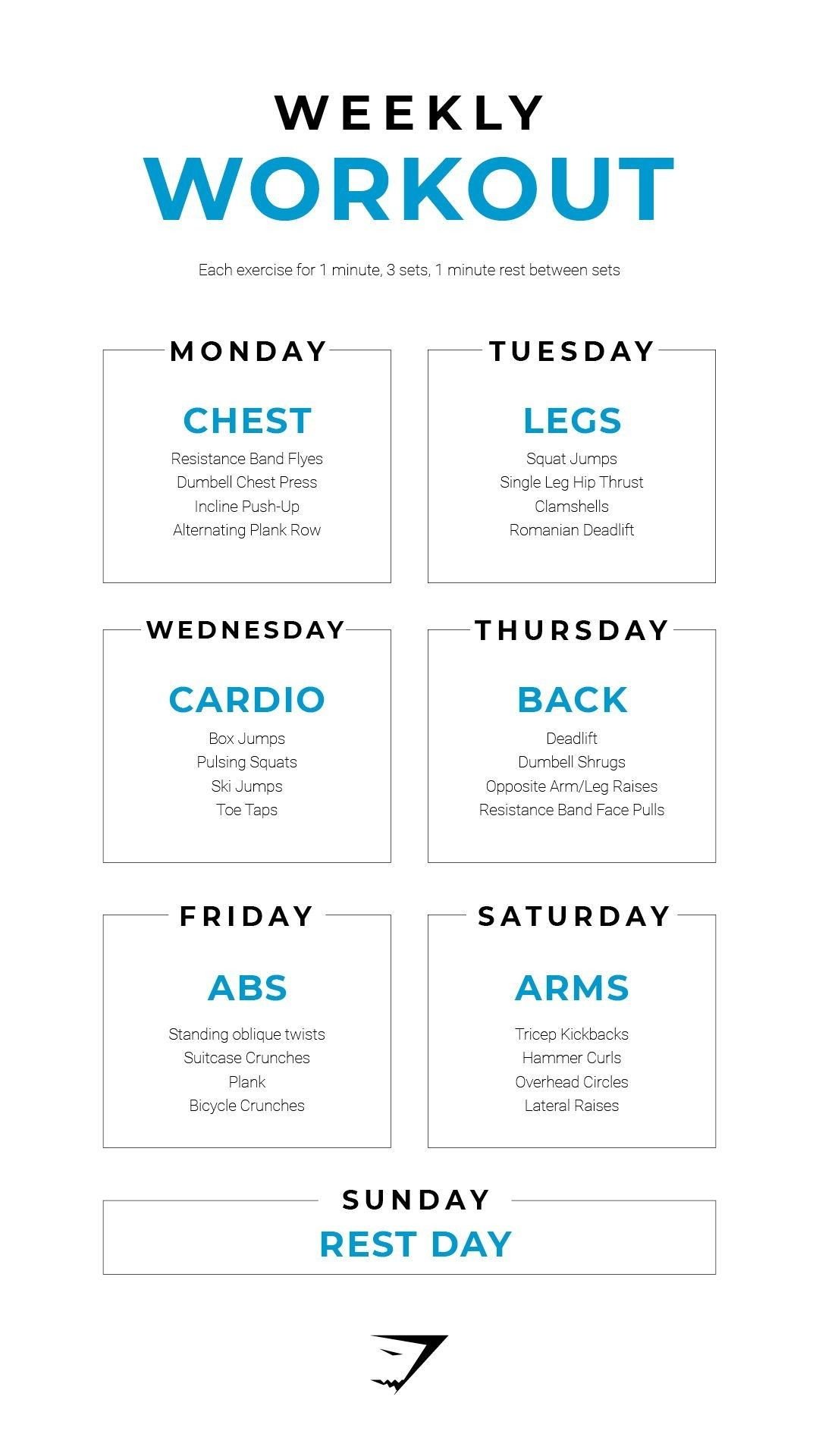
Fitness advice swings between “work out every day” and “weekend warrior is fine,” leaving most people confused. So how often should you work out each week to stay healthy? The science has a clear answer — and it’s more achievable than the fitness industry wants you to believe. Let’s look at what the evidence actually requires.
How Often Should You Work Out Each Week to Stay Healthy? The Minimum
The CDC’s physical activity guidelines — based on massive bodies of research — recommend: 150 minutes of moderate cardio (brisk walking, cycling) or 75 minutes of vigorous cardio (running, swimming laps) per week, plus muscle-strengthening on 2+ days. That’s the dose associated with major reductions in heart disease, diabetes, depression, and early mortality.
Translated to a week: 30 minutes of brisk walking five days, plus two 20-minute bodyweight sessions. That’s it. That’s the scientifically validated foundation of a healthy exercise life. Everything beyond is optimization, not requirement. If you’re starting from zero, beginner home exercises are the on-ramp.
The Sweet Spot (vs. the Minimum)
The minimum prevents disease; a bit more builds robust fitness. Research suggests benefits keep increasing up to roughly 300 minutes of moderate cardio weekly, then plateau for health (athletic performance is a different goal). The practical sweet spot for most people: 4-5 days of activity weekly, mixing cardio and strength.
A sample week that hits the sweet spot: Monday — 30-min walk + bodyweight strength. Tuesday — rest or gentle yoga. Wednesday — 30-min bike ride. Thursday — strength again. Friday — rest. Saturday — longer hike or swim (45-60 min). Sunday — rest or easy walk. Notice: three full rest days. Recovery isn’t laziness; it’s when adaptation happens. More isn’t better past the point of recovery — it’s just more tired.
Cardio vs. Strength: You Need Both
People tend to pick one and neglect the other. Cardio protects your heart, lungs, and metabolic health; strength protects your muscles, bones, joints, and independence as you age. After 30, you lose 3-8% of muscle per decade without resistance training — strength work is longevity work. The two sessions weekly can be simple: squats, push-ups, rows, planks. No gym required.
Timing within the day matters less than consistency, but the best time to exercise has nuances worth knowing — morning exercisers tend to be more consistent, evening exercisers often perform slightly better. Pick the time you’ll actually do.
Special Cases
- Weight loss: Exercise helps, but diet dominates — see losing belly fat safely. More activity helps maintain loss, which is the hard part.
- Weekend warriors: Research shows cramming 150 minutes into 1-2 days gives most of the benefit. Not ideal, but vastly better than nothing. Don’t let perfect scheduling be the enemy of moving.
- Older adults: Same guidelines, plus balance work (tai chi, single-leg stands) — fall prevention is critical and trainable.
- Chronic conditions: Exercise helps nearly all of them, but get medical clearance and start conservatively.
Sample Schedules for Every Lifestyle
The guidelines are clear; fitting them into real life is the art. Here are plug-and-play weeks.
The busy professional (minimal time): Mon: 25-min bodyweight circuit (AM). Tue: rest. Wed: 25-min brisk walk at lunch + 10-min core (PM). Thu: rest. Fri: 25-min circuit (AM). Sat: 45-min hike or bike. Sun: rest. Total: ~2 hours. Covers cardio + 2x strength. The non-negotiable minimum that still works.
The parent (fragmented time): Mon/Wed/Fri: 15-min bodyweight sessions (kids can join — they love squats). Tue/Thu: 20-min walks (stroller counts). Sat: family active outing — park, bike ride, swimming. Sun: rest. Total: ~2.5 hours in chunks. Fragmented counts fully — three 10-minute walks equal one 30-minute walk physiologically.
The enthusiast (building fitness): Mon: upper-body strength (45 min). Tue: 30-min run or cycle. Wed: lower-body strength (45 min). Thu: rest or yoga. Fri: full-body circuit (30 min). Sat: long cardio (60+ min hike/swim/ride). Sun: rest. Total: ~4 hours. This builds serious fitness while respecting recovery.
The 50+ (longevity focus): Mon: strength — full body, lighter weights, perfect form (30 min). Tue: 30-min walk. Wed: balance + flexibility — tai chi or yoga (30 min). Thu: 30-min walk or swim. Fri: strength again (30 min). Sat: enjoyable long activity. Sun: rest. The balance work is non-negotiable at this age — fall prevention is longevity.
Rules for all schedules: Strength twice weekly minimum (non-negotiable after 30). One full rest day weekly minimum. Walk on most days — it’s the base everything builds on. And the meta-rule: the best schedule is the one you’ll do for years. Start with the lighter version of whichever fits, build the habit, then expand. Consistency at 70% for a decade beats 100% for a month. Every time.
Workout Frequency FAQs
Is working out every day too much?
Depends on intensity. Daily movement (walking, gentle yoga) is excellent. Daily intense training without rest is overtraining — performance drops, injury risk rises, motivation dies. The pattern that works: train hard 3-5 days, move gently on rest days. Rest is part of the program, not absence from it.
What’s the minimum if I’m extremely busy?
Two 20-minute strength sessions weekly plus daily walking. That’s ~90 minutes a week covering the evidence-based essentials (muscle + cardio base). It’s not optimal for athletic goals, but it’s enormously better than zero — and it’s sustainable through the busiest seasons. Never let “I can’t do enough” become “I do nothing.”
Morning vs. evening workouts — does it matter?
Slightly: morning exercisers show better long-term consistency (fewer schedule conflicts), evening exercisers often perform marginally better (body temperature peaks). But the difference is dwarfed by adherence — the best time is the time you’ll actually do, consistently, for years. Pick your slot and protect it.
The Real Answer
Work out 4-5 days a week, mix cardio and strength, rest without guilt. But here’s the deeper truth: the best frequency is the one you’ll sustain for decades. Three days a week for ten years beats six days a week for six weeks — it’s not close. Start at the minimum, build the identity of someone who exercises, and let frequency grow naturally. The science is clear on the dose. Your job is just to keep showing up for it.


