
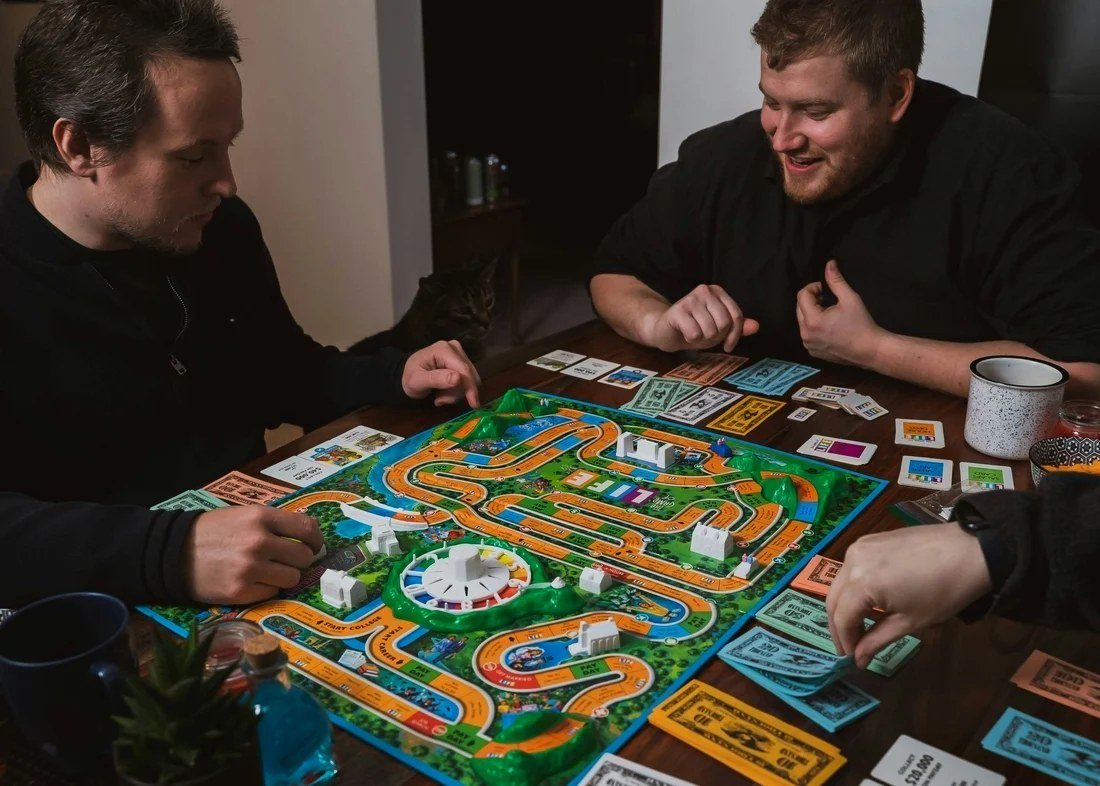
Everyone loves the idea of game night. But we’ve all been to the bad version: two hours learning a game nobody likes, one person dominating, half the group on their phones by 9 PM. Learning how to host a game night everyone will enjoy is mostly about curation and hospitality — picking the right games for your group, setting up the environment, and managing the social dynamics. Here’s the complete hosting playbook.
How to Host a Game Night Everyone Will Enjoy: Before Anyone Arrives
1. Know your guest list (and invite accordingly)
The ideal game night is 4–8 people. Fewer than 4 limits your game options; more than 8 and you’re running two tables or playing only party games. More important than number: invite people who’ll actually play. The friend who sighs through every game and checks their phone will poison the vibe. It’s okay to curate — “game night people” is a real category, and this is their event.
2. Choose the games in advance (not at the table)
Nothing kills momentum like 30 minutes of “what should we play?” while everyone stares at a shelf. Pick 2–3 games beforehand based on your group:
- Mixed gamers + non-gamers: Codenames, Wavelength, Just One — learnable in minutes, fun immediately
- Everyone’s competitive: Ticket to Ride, Splendor, or a tournament bracket of short games
- Big group (8+): Party games that scale, or plan two simultaneous tables
- Drinking crowd: Keep it light — complex strategy dies after drink two
My board games for adults guide has the full tier list, and card games for family nights covers the card side. Learn the rules yourself beforehand — watching a 20-minute rules video is the host’s job, not the guests’. Teach by playing a practice round, not by lecturing.
3. Set up the space
One big table where everyone can reach the center — dining tables are ideal; coffee tables are terrible for games (too low, too far). Good lighting (you need to read cards). Enough chairs, all facing the table. Clear the table completely before guests arrive — clutter competes with game components. Background music low (instrumental — lyrics distract from thinking). Phone basket by the door: “phones sleep here during games” — frame it as part of the event, not a punishment.
4. Plan the food (component-safe!)
This matters more than people think. Greasy, crumbly, or drippy food + game components = ruined games and annoyed owners. The game-night menu: good options — popcorn in bowls (eaten by the handful, away from the table), pretzels, M&Ms, veggie sticks, cheese cubes with toothpicks, anything eaten in one clean bite. Bad options — wings, ribs, Cheetos, powdered donuts, anything requiring two hands or leaving residue. Serve the messy meal before gaming or during a break, not during. Drinks in bottles/cans or with lids — no open glasses next to the board. (Every gamer has a spilled-drink horror story. Don’t become one.)
Running the Night: The Host’s Job
Start light, build up
Open with a quick, funny party game while people arrive and settle (Just One, Wavelength — 15 minutes). It breaks the ice and gets everyone in game mode. Then move to the main event: the longer strategy game or tournament. End with something light if energy remains — never start the heavy game at 10 PM when everyone’s fading.
Teach fast, start faster
Explain the goal first (“we’re trying to build train routes”), then the core turn (“on your turn you either draw cards or claim a route”), then say “we’ll pick up the rest as we go” — and start. Details taught mid-game stick better than details lectured upfront. Keep the teach under 10 minutes. If eyes glaze, you’re over-explaining.
Manage the dynamics
The alpha gamer (tells everyone what to do in co-op games): gently redirect — “let’s let everyone make their own calls.” The phone checker: the phone basket solves most of this; for the rest, keep turns snappy so there’s no downtime. The sore loser: keep stakes low (no money, silly prizes), emphasize fun over winning, and choose games without player elimination. The slow player: friendly time nudges, or choose games with simultaneous play. Your job as host is everyone’s good time, not just the game’s integrity.
Keep energy up
Take breaks between games — bathroom, snacks, fresh air. Don’t force “one more game” when energy is dying; ending on a high note means people leave wanting more (and come back next time). Two to three hours of actual gaming is the sweet spot for most groups.
Making It a Tradition
The best game nights become recurring: same night monthly, rotating hosts (spread the work and the snack costs), a running leaderboard or trophy for the competitive groups, themed nights occasionally (Halloween horror games, holiday party games). Start a group chat for scheduling and game suggestions. The groups that last are the ones where hosting feels shared, not burdensome — so if you host the first one, recruit the second host before the night ends.
For themed variations, check my guides to Halloween parties for adults (horror game night!) and icebreaker games for work parties (office game night, anyone?).
The Practical Takeaway
Hosting a great game night = 4–8 willing players + games chosen in advance (matched to the group) + rules learned by the host beforehand + good table setup + component-safe snacks + phone basket + start light, teach fast, manage dynamics, end on a high.
Pick a date, invite four friends, buy Codenames. The hardest part of game night is sending the first invitation.
Virtual Game Nights (When People Can’t Come Over)
Distance doesn’t have to kill game night. Jackbox Party Packs are the gold standard — one person shares their screen on a video call, everyone plays on their phone. Quiplash, Fibbage, and Drawful are the must-plays. Online board game platforms (Board Game Arena is free and excellent) let you play real board games — Codenames, Splendor, Carcassonne — with friends anywhere. Among Us or similar social games work for the video-game-inclined. Tips: keep the group to 4–8, use video (not just voice — faces matter), and have everyone join 10 minutes early for tech troubleshooting. It’s not quite the same as around a table, but a monthly virtual game night keeps far-flung friendships alive in a way that group chats never will.
When choosing what to play, BoardGameGeek — the world’s largest board game database with millions of player ratings — is the best place to research games by group size and complexity.


