
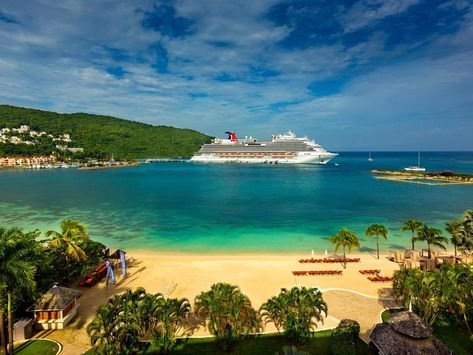
How Do I Choose Between a Cruise and an All-Inclusive Resort? (Honest Comparison)
Wondering how do I choose between a cruise and an all-inclusive resort? They’re the two great “pay once, relax” vacations, and they attract similar travelers for completely different experiences. The wrong choice here is an expensive mistake — a week of seasickness-prone sailing when you wanted a beach chair, or a week in one spot when you craved variety.
I’ve done both multiple times, and the choice comes down to five factors: how you feel about the ocean, variety vs. depth, true cost, who you’re traveling with, and what “relaxing” means to you. Let’s work through them honestly.
The Core Difference
A cruise is a traveling hotel — you unpack once and wake up somewhere new most days. An all-inclusive resort is a stationary paradise — one place, deeply known by week’s end. Everything else flows from this: cruises sell variety and novelty; resorts sell depth and ease. Neither is better; they’re opposite answers to “what do you want from a week off.”
Cost: The Real Math
- Cruises: $800–$2,500+/person/week. Base fare looks cheap ($500–$900 for Caribbean weeklongs), but the extras add up fast: drinks packages ($60–$100/day/person), specialty dining, excursions ($100–$200/port), wifi, gratuities ($16–$20/day). A “$700 cruise” easily becomes $1,800 all-in.
- All-inclusives: $1,200–$3,500+/person/week. Higher sticker, fewer surprises — food, drinks, activities, and entertainment included. Premium excursions and spa cost extra, but the daily total is predictable.
- The honest comparison: price them all-in, not base-to-base. A mid-range cruise with drinks package and excursions often equals or exceeds a mid-range all-inclusive. The cruise looks cheaper in ads; the resort is cheaper in reality for drinkers and excursion-takers.
For the general bundling question, see package vs. booking separately — and for food-cost planning on any trip, vacation food budgets (less relevant here since food’s included, which is the point).
How Do I Choose Between a Cruise and an All-Inclusive Resort? Five Deciding Factors.
- 1. The ocean question. Love the sea, unbothered by motion? Cruise. Prone to seasickness, or just don’t care about sailing? Resort. This alone decides it for many people — be honest with yourself.
- 2. Variety vs. depth. Want to sample 4–5 destinations? Cruise. Want to truly unwind in one beautiful place, learn the staff’s names, find your perfect beach spot? Resort.
- 3. Who’s traveling. Multigenerational groups: cruises win (something for every age, kids’ clubs, varied excursions). Couples wanting romance: resorts win (adults-only options, no schedule). Groups of friends: either — cruises for activities, resorts for hanging.
- 4. Schedule tolerance. Cruises run on ship time — port days are scheduled, dining has seatings (or anytime options), the day has structure. Resorts: total freedom, eat when you want, do nothing all day without missing anything. Structure-lovers cruise; freedom-lovers resort.
- 5. The “stuck” factor. On a cruise, you’re committed to the ship — bad weather, norovirus news, or just not vibing means limited alternatives. At a resort, you can always leave for the day (excursions, town visits). Consider your tolerance for commitment.
The Experience Comparison
- Food: resorts usually win — multiple restaurants, better quality at mid-range, no upcharge anxiety. Cruise main dining rooms are good; the best food costs extra.
- Entertainment: cruises win — Broadway-style shows, comedians, casinos, constant programming. Resorts have entertainment, but it’s lower-key.
- Excursions: cruises offer more variety (new port, new options); resorts offer depth (you can return to the good ones). Book excursions independently at ports — ship prices carry heavy markups.
- Relaxation: resorts win — your beach chair is always there, no schedule, no tender boats. The cruise pool deck on sea days is a crowded contrast.
- Social: cruises are more social (shared tables, group excursions, constant mingling); resorts let you be as social or solitary as you want.
Red Flags and Fine Print for Both
- Cruise: check what’s actually included (drinks almost never are), read excursion cancellation policies, understand gratuity auto-charges, and know the single-supplement penalty if traveling solo (often 200% — ouch).
- Resort: verify “all-inclusive” actually means it (some exclude premium liquor, certain restaurants, or motorized watersports), check the beach quality (some “beachfront” resorts have bad beaches — read recent reviews), and confirm the vibe matches (party resort vs. quiet retreat matters enormously).
Cruises for First-Timers (What to Know)
- Start with a 4–5 night sailing. Long enough to get the experience, short enough to bail gracefully if cruising isn’t your thing.
- Caribbean vs. Alaska vs. Mediterranean. Caribbean = beaches and ease (best starter). Alaska = scenery and wildlife (best wow). Mediterranean = culture and ports (best for sightseers).
- Cabin choice matters. Interior (cheapest, dark — great sleepers), oceanview (window, no balcony), balcony (the experience upgrade), suite (the splurge). Midship, lower decks = least motion.
- Book excursions independently. Same tours as the ship sells, 30–50% cheaper, smaller groups. Research port options before sailing.
Cruise Critic’s reviews and forums are the essential pre-booking research — real passenger reviews by ship and sailing date, plus the forums where experienced cruisers share the tricks (which cabins to avoid, which excursions to book independently, when prices drop).
All-Inclusive Resorts for First-Timers
- Adults-only vs. family. Decide the vibe first — it shapes everything. Adults-only for romance/quiet; family resorts for kids’ clubs and activities.
- Read recent reviews. Resorts change — management, renovations, beach conditions. Reviews from the last 3 months matter; last year’s don’t.
- Check the beach. “Beachfront” ≠ good beach. Look for recent beach photos in reviews — seaweed, rocks, and erosion are seasonal and real.
- Verify the inclusions. Premium restaurants, top-shelf liquor, spa, excursions — what’s included vs. extra varies wildly. The inclusions list, not the brochure, is the truth.
- Go shoulder season. Same resort, 30–40% less, fewer crowds. The Caribbean’s sweet spots: late April–May, November–early December.
The Bottom Line
Choose a cruise if you want variety (multiple destinations, unpack once), love the ocean, travel multigenerational, and enjoy structured entertainment. Choose an all-inclusive resort if you want depth (one beautiful place, total freedom), prioritize food quality and relaxation, or travel as a couple. Price both all-in — the cruise’s cheap base fare rarely survives the extras — and read the fine print on inclusions before you book.


