
How Can I Make My Home Smell Good Naturally? (No Harsh Chemicals)
Wondering how can I make my home smell good naturally without the chemical haze of plug-in air fresheners? Those synthetic fragrances don’t just smell strong — they can trigger headaches and allergies, and they mask odors instead of fixing them. Natural approaches smell better anyway: real, subtle, and varied instead of one aggressive “meadow rain.”
The two-part secret: eliminate the sources of bad smells first, then add pleasant scents lightly. Most people skip step one and wonder why the lavender candle can’t beat the trash can.
Here’s the complete approach, room by room.
Step 1: Find and Fix the Sources
- Trash and recycling. Take them out before they’re full; sprinkle baking soda in the bottom of cans. The #1 whole-house smell offender.
- Fridge. Toss the science experiments monthly; wipe shelves with vinegar water; keep an open box of baking soda inside.
- Soft furnishings. Carpets, curtains, and upholstery absorb odors. Sprinkle baking soda, wait 15+ minutes, vacuum thoroughly. Wash curtains seasonally.
- Drains. Baking soda + vinegar + hot water monthly keeps sink and shower drains from developing that funk.
- Pet areas. Wash bedding weekly, clean litter boxes daily, bathe as appropriate. Enzyme cleaners for accidents — they break down odor molecules instead of covering them.
- Musty spots. That damp smell means moisture — find and fix it (ventilation, dehumidifier), because no scent covers mold safely.
The Simmer Pot: Your Secret Weapon
A simmer pot — water plus aromatics on low heat — makes your whole home smell incredible for pennies:
- Classic cozy: orange slices + cinnamon sticks + cloves + a splash of vanilla.
- Fresh and clean: lemon slices + rosemary sprigs + vanilla.
- Autumn: apple slices + cinnamon + nutmeg + orange peel.
- Holiday: cranberries + pine sprigs + cinnamon + orange.
Keep it on low, never leave it unattended, and refill water as needed. One pot scents the house for hours — it’s the highest-impact trick in this article.
How Can I Make My Home Smell Good Naturally Every Day?
- Essential oil diffuser. A $15–$25 diffuser with a few quality oils (lavender, eucalyptus, lemon, peppermint). A few drops, not a flood — subtle is the goal.
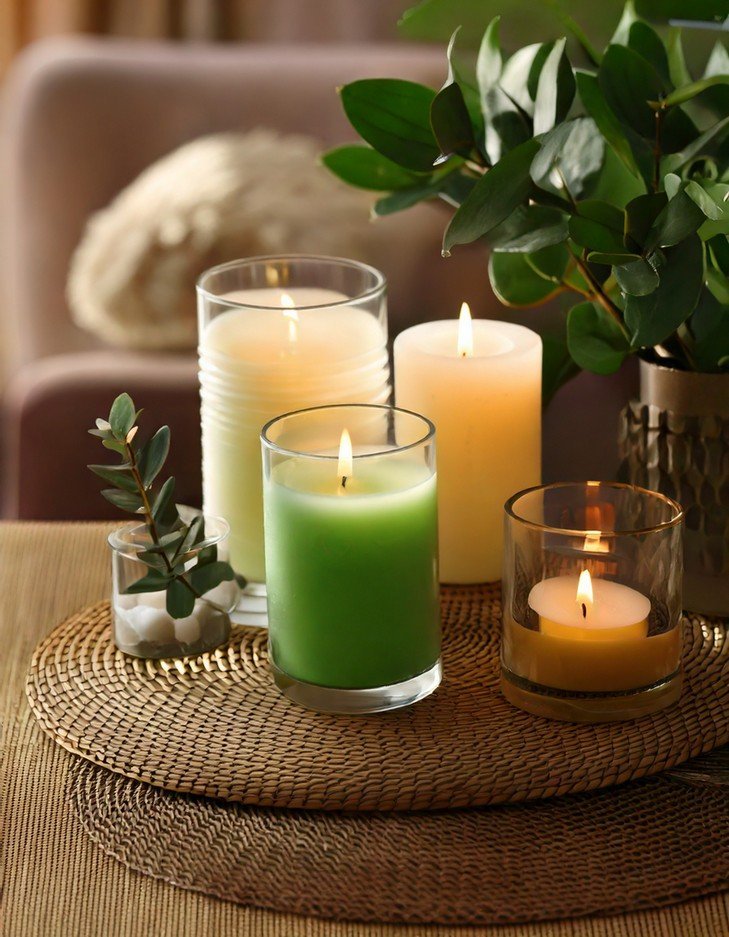
- Beeswax or soy candles. They burn cleaner than paraffin and come in real scents. Never leave burning unattended.
- Fresh eucalyptus in the shower. Hang a bundle from the showerhead — the steam releases the scent. Lasts weeks, looks beautiful.
- Coffee and vanilla. A bowl of coffee beans in a room absorbs odors; vanilla on a cotton ball in the car or closet.
- Herbs on windowsills. Rosemary, mint, basil — brush them as you pass for a burst of scent. Functional and fragrant.
- Baking soda everywhere. In shoes, in the diaper pail, on carpets before vacuuming. It’s the unsung hero of natural odor control.
These pair beautifully with a cozy setup — see creating a cozy living room on a budget for the full atmosphere package. And if you’re going chemical-free throughout, our sustainable home guide covers natural cleaning too.
Room-by-Room Quick Fixes
- Kitchen: simmer used lemon halves, run citrus through the disposal, keep the trash routine tight.
- Bathroom: eucalyptus bundle, a small diffuser or reed diffuser, baking soda in the trash can.
- Bedroom: wash bedding weekly, lavender linen spray, open windows when weather allows.
- Entryway: a scented candle or diffuser here sets the whole-house first impression.
- Laundry room: white vinegar in the wash (kills mildew smell in towels), leave the washer door open between loads.
The Real Secret: Fresh Air
No product beats ventilation. Open windows for even 10 minutes daily — it exchanges stale indoor air in a way no scent can replicate. Homes are more sealed than ever, and indoor air concentrates odors, cooking smells, and off-gassing. The cheapest, most natural air freshener is the one outside your window.
Natural Freshening for Specific Problems
- Cooking smells that linger: simmer vinegar water for 15 minutes (the vinegar smell dissipates, taking the food smell with it), then follow with a citrus simmer pot.
- Musty basement: dehumidifier first (fix the moisture), then bowls of activated charcoal or baking soda to absorb residual odor. Scent without dehumidifying is perfume on a problem.
- Teen bedroom: wash everything washable, baking soda on the mattress and carpet, open the window daily. The nuclear option works.
- New furniture off-gassing: ventilate aggressively for the first weeks, activated charcoal nearby, and patience — it fades.
- Pet odors in carpet: enzyme cleaner (not just deodorizer), then baking soda overnight, then vacuum. The enzyme step is non-negotiable — it breaks down the proteins regular cleaners leave behind.
For persistent or concerning odors — especially musty smells that return — check the EPA’s guidance on indoor air quality and mold. Some smells signal moisture problems that need fixing, not masking. Your nose is a diagnostic tool; listen to it.
The Weekly Fresh-Home Routine (10 Minutes)
- Trash out, recycling out. Before they’re full. The #1 odor prevention, weekly.
- Baking soda refresh. Sprinkle on carpets/rugs, wait 15 minutes while you do other things, vacuum. Weekly keeps soft furnishings neutral.
- Fridge check. Toss the expired, wipe one shelf. Two minutes prevents the science experiments.
- Drains. Baking soda + vinegar + hot water in kitchen and bathroom drains. Monthly is fine; weekly if you’re ambitious.
- Air it out. 10 minutes of open windows, even in winter. The reset no product can replicate.
The Entryway First Impression
Your entryway sets the scent tone for the whole home — it’s what guests (and you) smell first. Keep it fresh with intention: a small diffuser or candle here, shoes contained (the shoe pile is the #1 entryway odor source — a closed bench or closet works wonders), and a washable rug or mat. Two minutes of entryway attention — shoes away, quick wipe, scent refreshed — transforms the arrival experience. First impressions are scent impressions, and this one you control completely.
The Bottom Line
Making your home smell good naturally is a two-step game: eliminate odor sources first (trash routine, baking soda on soft furnishings, drain maintenance), then layer pleasant scents lightly — simmer pots, a diffuser, eucalyptus in the shower, fresh air daily. Subtle and real beats strong and synthetic every time.


