
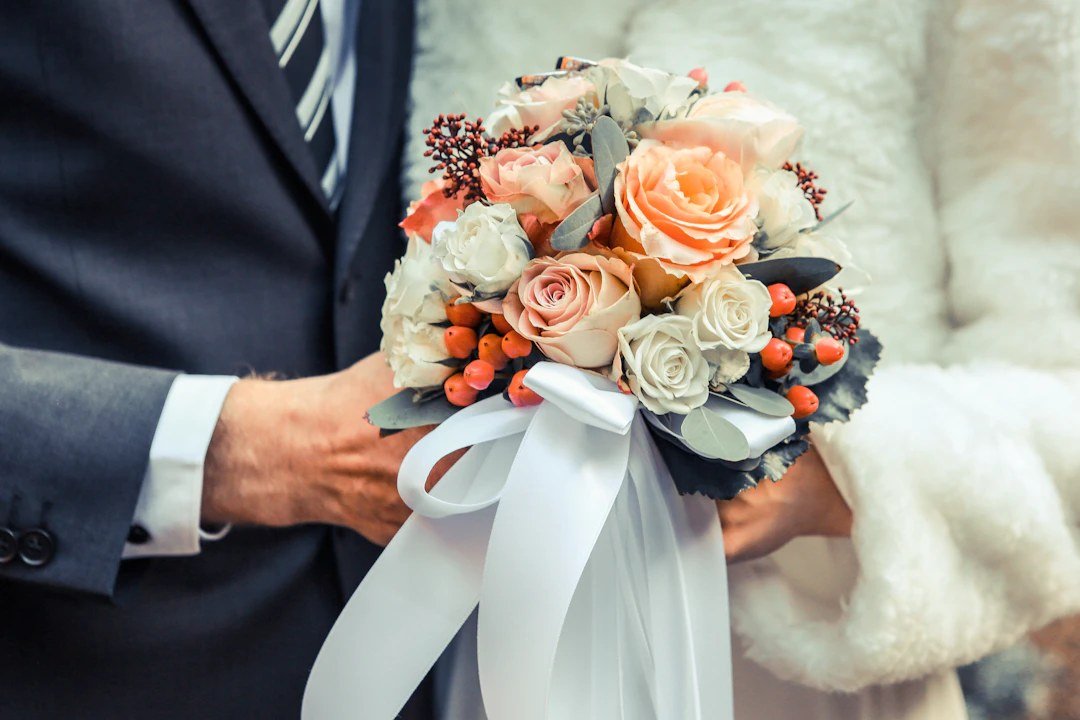
Wedding planning is a part-time job with emotional stakes — budgets, vendors, timelines, opinions from every relative. So how can AI help with wedding planning? Quite a bit, actually: not with the meaning of the day, but with the mountain of logistics surrounding it. Here’s the practical playbook.
How Can AI Help With Wedding Planning? Budget and Timeline First
Start with the two things that cause most wedding stress: money and time. AI builds realistic budgets fast: “We’re spending $25,000 in the Chicago area for 100 guests — break it down by category with typical ranges.” It’ll produce a sensible allocation you can adjust. Then the timeline: “We’re 9 months out — give me a month-by-month planning checklist.” What used to require a planner consultation or hours of blog-diving takes one good prompt.
The ongoing value: scenario planning. “What if we cut the guest list to 75?” “Compare a Saturday vs. Friday wedding cost difference.” AI runs the numbers instantly, turning emotional debates into informed decisions. The Knot’s planning resources pair well here for vendor pricing benchmarks to sanity-check AI estimates against.
Vendors, Venues, and Decisions
AI accelerates research without replacing judgment: “Compare these three photographers’ packages” (paste the details), “What questions should I ask a florist before booking?”, “Draft an email negotiating with our venue.” It drafts, you decide. Vendor selection stays human — you’re hiring people you’ll trust with your wedding day, and no chatbot can vibe-check a photographer.
For the million micro-decisions — color palettes, song lists, menu wording, seating chart logic — AI is a tireless sounding board. “Give me 10 first-dance songs that aren’t overused” or “help me word the invitation for a blended family situation.” The taste is yours; the legwork is shared.
The Personal Touches
This is where AI surprises people: vows, speeches, and toasts. Not writing them wholesale — please don’t — but breaking the blank page. “Help me structure my vows around these three memories” gives you scaffolding for your own words. Best man speech panic at midnight? AI turns your bullet-point stories into a coherent, funny-ish draft you then make your own. The emotion must be real; the structure can be assisted.
Day-of logistics get the AI treatment too: generate a minute-by-minute timeline for vendors, draft the FAQ for your wedding website (“yes, kids are welcome; parking is behind the venue”), and create packing lists. Boring, essential, and exactly what AI is for.
Wedding Budgets by Tier: What $10K, $25K, and $50K Buy
Budgets are abstract until you see the breakdowns. Here’s what three tiers realistically buy (U.S. averages, 100 guests, medium-cost city).
$10,000 — The smart intimate wedding: Venue: public park/restaurant buyout ($1,500). Food: buffet or food trucks ($4,000). Photography: talented newcomer, 6 hours ($1,500). Attire: off-the-rack + alterations ($800). Flowers: grocery/wholesale DIY ($400). Music: curated playlist + speaker rental ($300). Everything else: invitations digital, cake from a bakery (not “wedding” bakery — the markup is real), friends helping with setup. The secret: 50 guests instead of 100 transforms this budget from tight to comfortable.
$25,000 — The classic wedding: Venue with character ($6,000). Catering, plated or premium buffet ($9,000). Established photographer, 8 hours ($3,500). Videographer, highlights package ($2,000). Flowers by a florist ($1,500). DJ ($1,200). Attire ($1,500). The rest: invitations, cake, transportation, tips. This is the tier where professional help matters most — a month-of coordinator ($1,500) pays for itself in sanity.
$50,000 — The elevated wedding: Premium venue ($12,000). Top-tier catering ($18,000). Photo + video team ($8,000). Designer florals ($4,000). Live band ($5,000). The difference from $25K isn’t happiness — it’s polish and scale. Diminishing returns are real: guests remember food, music, and whether you seemed happy, not the chair sashes.
Universal truths: The guest count drives everything — cut 20 guests, save thousands. The “wedding” label adds 20-30% to vendor prices; ask for event pricing where honest. And the best money at any tier: photography (memories), food (guest experience), and a coordinator (your sanity). Use AI to model your numbers (see the main guide), then spend where it shows and save where it doesn’t. The marriage doesn’t care about the tier. Spend accordingly.
Wedding Planning FAQs
How far in advance should we start planning?
12-18 months for large weddings (venues book fast), 6-9 months for intimate ones, and honestly — the timeline matters less than the decisions. The critical path is venue → key vendors (photo, catering) → everything else. AI timelines help, but booking the venue early is the move that prevents all other stress.
How do we handle family opinions?
Decide privately what matters to each of you first, present a united front, and give families specific domains of input (“we’d love your help with the guest list”) rather than open veto power. Whoever pays gets proportional say — discuss money and expectations explicitly, early. Most wedding family conflict is really about unspoken expectations; speaking them defuses it.
Is a wedding planner worth it?
At minimum, a month-of/day-of coordinator — the highest-ROI wedding expense that exists. They handle vendor wrangling, timeline execution, and crisis management while you actually enjoy the day. Full planning services make sense for complex weddings or genuinely busy couples. Either way: the planner’s job is absorbing stress so you don’t have to. Worth every penny.
Keep the Human Parts Human
The caution, as with AI helping busy parents: optimize the logistics to protect the meaning. The venue walk-through where you both just know, the tasting where you laugh too loud, the late-night guest list debates — don’t automate the memories. Use AI for the spreadsheet side so you have energy for the soul side.
And one practical note: wedding planning stress is real, and AI can’t carry the emotional load — it can only clear the logistical one. Delegate to it aggressively (see AI for social captions for documenting the journey), communicate with your partner about what actually matters to each of you, and remember: the wedding is one day; the marriage is the project. AI can plan a great party. The rest is gloriously, irreplaceably human.


