
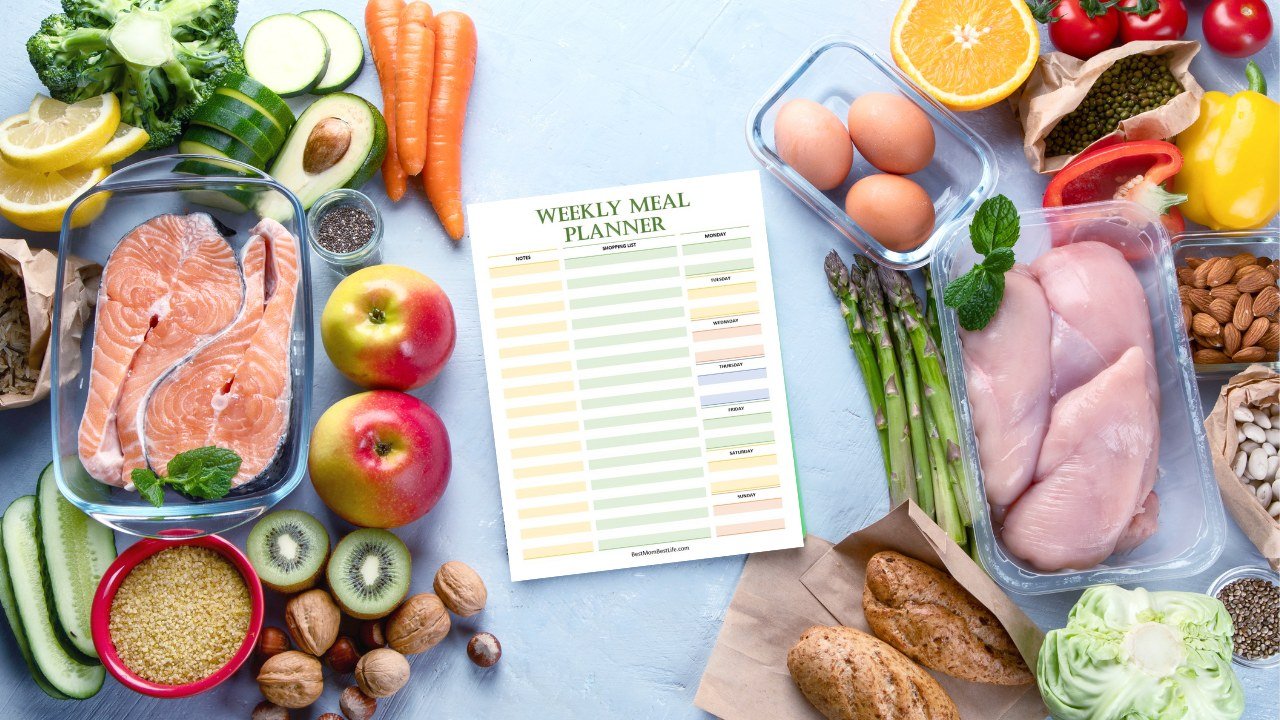
Meal planning is one of those things everyone agrees is smart and almost nobody sustains. So when someone asks “can AI help me plan my weekly meals,” my ears perked up — because the boring, repetitive parts of meal planning (coming up with ideas, making the list, checking what’s in the fridge) are exactly what AI is good at. I tested it properly. Here’s what actually happened.
Can AI Help Me Plan My Weekly Meals? What It Does Well
The core task — “here are my constraints, give me 7 dinners” — works surprisingly well. Give it real constraints and it produces genuinely usable plans: “Plan 5 weeknight dinners for two adults, 30 minutes max each, one vegetarian, no dairy, we hate mushrooms, keep it budget-friendly.” The output was specific, varied, and respectful of every constraint. That’s the killer feature: AI doesn’t get decision fatigue. It will happily generate week after week of varied plans while you’d have given up and ordered pizza by Wednesday.
It also shines at the adjacent chores: turning a meal plan into a consolidated grocery list (grouped by store section, no less), suggesting uses for ingredients you already have (“I have chicken thighs, rice, and half a cabbage — what can I make?”), and scaling recipes. The “use up what’s in my fridge” prompt alone is worth the price of admission — which is zero. For nutrition guardrails, cross-check against USDA MyPlate guidance rather than trusting AI nutrition claims blindly.
Where It Falls Apart
Honest flaws: AI has no idea what things cost at your store, so “budget-friendly” is approximate. It occasionally suggests recipes with steps that don’t quite work — ingredient amounts that seem off, cooking times that would incinerate the dish. It doesn’t know your family’s actual tastes beyond what you tell it, so the first week’s plan needs your edits. And it can’t taste anything, obviously — “delicious” is a prediction, not a fact.
The nutrition advice needs a skeptical eye too. AI meal plans generally land in reasonable territory, but they’re not dietitians. If you have diabetes, food allergies, or specific medical nutrition needs, treat AI plans as a starting draft for a professional to review — the same caution as using AI for medical advice applies to AI nutrition advice.
The Prompts That Actually Work
Generic prompts get generic plans. The formula that works: constraints + context + format. Example: “I’m meal planning for a family of four, two kids under 10 who are picky. Five weeknight dinners, 30 min max, one slow-cooker meal, total grocery budget around $120. Avoid peanuts (allergy). Output: day-by-day plan with recipe names, then a single consolidated shopping list grouped by category.” Iterate: “swap Wednesday’s meal, the kids won’t eat that” works fine as a follow-up.
Pro move: ask it to build around sales. “These are on sale this week: chicken breast, broccoli, rice, canned tomatoes. Build 4 dinners around them.” This is where AI meal planning beats static meal-plan subscriptions — it’s reactive to your reality. Busy parents should also see how AI helps with packed schedules beyond just food.
A Full Week in Action: AI Meal Plan Example
Enough theory — here’s what a real AI-generated week looks like, with the kind of prompt from earlier. Constraints given: family of four, two kids (7 and 10), $130 grocery budget, 30-minute weeknight max, one vegetarian night, nut allergy.
Monday: Sheet-pan chicken fajitas — chicken strips, peppers, onions, one pan, 25 minutes. Kids assemble their own (participation = fewer complaints).
Tuesday (vegetarian): Black bean quesadillas with corn salsa. 15 minutes, cheap, protein-rich. The AI suggested adding cumin and lime to “make beans exciting” — the kids disagreed, but ate them anyway.
Wednesday: Slow-cooker pulled chicken — 5 minutes morning prep, buns and coleslaw at night. The week’s easiest win.
Thursday: Breakfast for dinner: scrambled eggs, turkey sausage, fruit. Kids think it’s a treat; it’s actually the cheapest nutritious meal in the rotation.
Friday: Homemade pizza night — store-bought dough, everyone tops their own. Doubles as family activity.
The consolidated list came grouped by store section (produce, meat, dairy, pantry) — noticeably reducing the usual three-aisles-backtracking. Total came to $118, under budget, with pantry staples left over.
What needed human fixing: Thursday’s portions were light for two adults (added a side salad), and the AI’s “kid-friendly” spice levels needed toning down twice. Total human time: ~15 minutes of review versus the usual hour-plus of planning. The verdict from the trenches: not perfect, but the difference between a planned week and a chaotic one. And a planned week — even an imperfectly planned one — means fewer 6pm panic decisions, less waste, and less money. That’s the whole value proposition, delivered.
AI Meal Planning FAQs
Can AI handle dietary restrictions and allergies?
Yes for planning, with verification. AI reliably excludes specified ingredients and suggests substitutions — but always double-check labels yourself, because AI doesn’t know about cross-contamination or your specific sensitivity severity. For serious allergies, treat AI plans as drafts, not medical guidance.
Does AI meal planning actually save money?
Usually yes — planned grocery lists cut impulse buys and food waste, the two biggest budget leaks. The savings come from the planning more than the AI specifically; AI just makes planning effortless enough to actually happen. Users commonly report 15-25% lower grocery bills in the first month.
What if my family hates the AI’s suggestions?
Iterate like you’d train any assistant: “the kids won’t eat that — give me 3 alternatives with similar nutrition.” Save what works into a “family favorites” list and feed it back: “build next week’s plan around these 10 meals we like.” Within a month, the AI’s suggestions converge on your family’s actual tastes. The first week is calibration; the system improves with feedback.
Verdict
Can AI help plan your weekly meals? Yes — as a tireless sous-chef for the planning work, not as a replacement for your judgment. Expect to spend 15 minutes refining its output instead of an hour planning from scratch. That’s a genuine win: the difference between meal planning happening and not happening is usually that hour. AI removes the hour. Dinner still requires you — but at least you’ll know what you’re making.


