
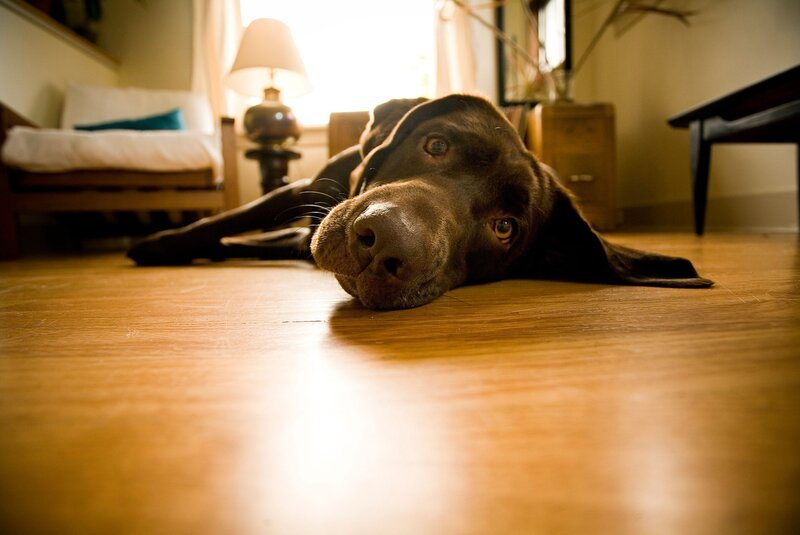
Dogs with untrimmed nails. Cats who treat the hallway like a racetrack. The occasional accident that you discover… later. Pet owners need flooring that can take abuse and still look good. So what is the best flooring for homes with pets? After talking to flooring pros, veterinarians, and plenty of battle-scarred pet owners (myself included), here’s the honest ranking — because the “best” floor balances scratch resistance, waterproofing, comfort, and cost.
What Is the Best Flooring for Homes With Pets? Ranked
1. Luxury vinyl plank (LVP) — the overall winner
LVP is the runaway favorite for pet households, and it’s not close. It’s waterproof (accidents wipe up), highly scratch-resistant (the wear layer shrugs off claws), comfortable underfoot, quiet, and affordable ($3–$7/sq ft installed). Modern LVP looks convincingly like wood — guests genuinely can’t tell. Get a product with at least a 20-mil wear layer for pets; the cheap 6-mil stuff won’t survive. Downsides: it’s still vinyl (resale value doesn’t match hardwood), and very heavy furniture can dent it.
2. Tile (porcelain/ceramic) — the indestructible option
Nothing beats tile for durability: waterproof, scratch-proof, stain-proof, and lasts decades. Perfect for entries, kitchens, and mudrooms where the mess concentrates. The tradeoffs: it’s hard and cold (uncomfortable for old dogs’ joints — add rugs or pet beds), grout needs sealing and occasional cleaning, and dropped items shatter. Large-format porcelain with minimal grout lines is the sweet spot.
3. Laminate — the budget contender
Modern laminate is far tougher than the stuff from 2005: scratch-resistant AC4/AC5 ratings handle claws well, and waterproof laminate options now exist. At $2–$5/sq ft installed, it’s the cheapest hard-surface option. Caveats: standard laminate swells if water sits on it (so waterproof-rated only for pet homes), and it can be slippery and clicky underfoot — area rugs help both issues. Installing laminate over existing tile is often possible, saving demo costs.
4. Hardwood (with caveats) — the beautiful compromise
Purists, hear me out: hardwood can work with pets if you choose wisely. Go for harder species (oak, hickory, maple — check the Janka hardness scale), site-finished floors (thicker, more durable finish than prefinished), and matte finishes that hide scratches. Distressed or hand-scraped textures camouflage claw marks beautifully. The reality: it will scratch. If that thought causes pain, choose LVP. If you love real wood and accept patina, it’s fine — and refinishing down the road erases the evidence.
5. Cork — the dark horse
Soft, warm, quiet, and naturally antimicrobial — cork is wonderful underfoot for both humans and aging pets. It’s reasonably scratch-resistant and the softness prevents the slip-and-slide injuries hard floors cause. Downsides: it dents under heavy furniture, needs sealing against moisture, and fades in direct sunlight. Best for bedrooms and low-traffic areas rather than the main dog highway.
The Losers: What to Avoid
- Wall-to-wall carpet. The worst pet flooring, full stop. It traps odors, stains permanently, harbors allergens, and needs replacing every few years in pet homes. If you must have carpet, use carpet tiles — replace individual stained tiles instead of the whole room.
- Soft pine or soft hardwoods. Beautiful, and a large dog will destroy them in a year.
- High-gloss finishes. Every scratch shows. Matte or satin only.
Beyond the Floor: Pet-Proofing the Details
- Rugs and runners. Washable rugs (Ruggable and similar) on hard floors give pets traction and protect high-traffic lanes. Runners on stairs prevent slips.
- Trim nails regularly. The single cheapest floor protection: keep claws trimmed. It makes an enormous difference on any surface.
- Mats at every door. Catch muddy paws before they hit the floor. Washable entry mats are non-negotiable.
- Clean accidents immediately. Even waterproof floors have seams and edges. Blot, clean with enzymatic cleaner (it actually breaks down odor proteins), and dry thoroughly.
- Consider your pet’s age. Senior dogs need traction — if your old Lab is slipping on tile, that’s a fall risk. Rugs aren’t decor at that point; they’re safety equipment. Your vet can advise on joint-friendly setups; the American Kennel Club also has good resources on senior dog home safety.
Cost Reality Check
For a 1,000 sq ft installation: LVP $3,000–$7,000, laminate $2,000–$5,000, tile $5,000–$12,000, hardwood $8,000–$15,000. LVP hits the sweet spot of performance per dollar for pet owners — which is exactly why it’s taken over the market. If budget is the primary driver, waterproof laminate is the value play.
Flooring for Specific Pets: Beyond Dogs and Cats
Dogs and cats cover most households, but other pets have their own flooring challenges:
- Large dogs ( Labs, Shepherds, Danes): weight + nails + enthusiasm. Prioritize the thickest wear layer you can afford (28-mil+ LVP), add runners on their main traffic paths, and accept that no floor is truly Great-Dane-proof. Tile in the mudroom/entry where they come in wet is non-negotiable.
- Cats: generally easier on floors than dogs — lighter, retractable claws. The issue is vomit and litter: choose waterproof flooring in litter-box areas (LVP or tile), and put a large mat under the box. Cat urine on hardwood is a refinishing event; on LVP it’s a wipe.
- Rabbits and guinea pigs: free-roam bunnies chew baseboards and slip on slick floors — washable rugs and cord protectors matter more than the floor itself. Tile or LVP handles the inevitable accidents.
- Birds: seed husks and droppings everywhere near the cage. Hard flooring (tile/LVP) under and around the cage zone; a washable mat directly beneath catches most of it.
- Reptiles: heat lamps and humidity near enclosures — ensure flooring handles localized warmth and occasional water spills. Tile excels here.
- Senior pets of any species: traction becomes the priority over durability. Yoga mats, runners, and washable rugs on hard floors prevent the slips that injure old joints. This matters more than scratch resistance at that life stage.
The multi-pet household: design in zones. Bulletproof flooring (tile or premium LVP) in entries, kitchens, and pet areas; comfort flooring (with rugs) in living spaces; bedrooms as the calm zone. You don’t need one flooring everywhere — transitions between rooms are normal and let you optimize per space. The goal is a home where every animal can be an animal without you following with a mop and a wince.
The Practical Takeaway
The best flooring for homes with pets is luxury vinyl plank for most households — waterproof, scratch-resistant, comfortable, and affordable. Tile wins for pure durability in wet zones; laminate wins on budget; hardwood works if you choose hard species and accept some character marks. Avoid wall-to-wall carpet entirely. Whatever you choose, add washable rugs for traction, keep nails trimmed, and clean accidents with enzymatic cleaner. The right floor means you stop stressing about the pets and start enjoying them — which was the point of having them.


