
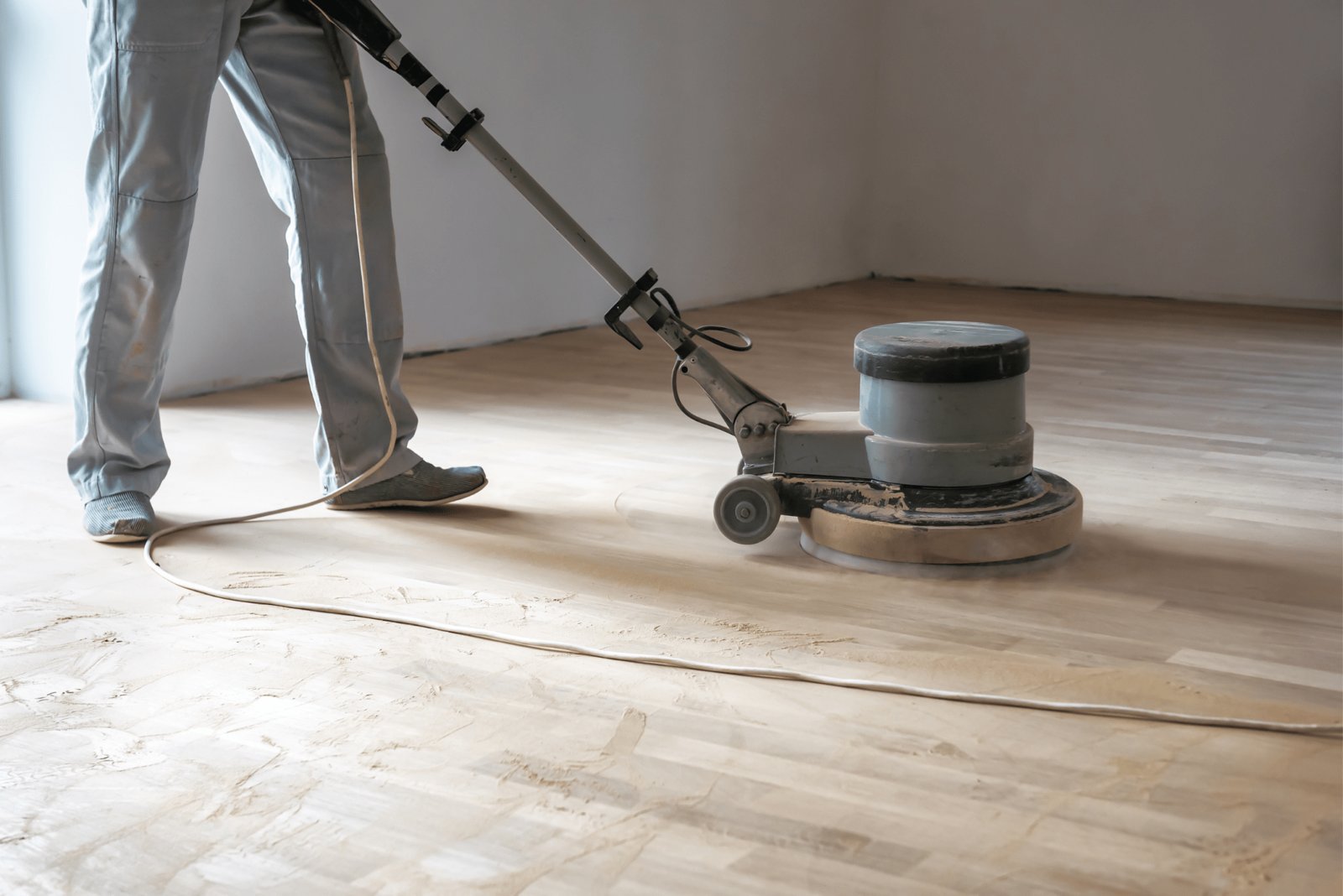
Your hardwood floors have seen better decades. They’re scratched, dull, maybe a little gray in the high-traffic lanes. Now you’re standing at the classic fork in the road: is it worth refinishing hardwood floors or replacing them entirely? It’s a $3,000–$10,000+ decision, so getting it right matters. The honest answer: refinishing wins in most cases — but not all. Here’s how to tell which camp you’re in.
The Cost Comparison
Let’s talk money first, since it usually decides things:
- Refinishing: $3–$8 per square foot professionally ($1,500–$4,000 for 500 sq ft). DIY sanding and finishing runs $500–$1,000 in rentals and materials, but it’s genuinely hard to do well.
- Replacing with new hardwood: $8–$15+ per square foot installed ($4,000–$7,500+ for 500 sq ft), plus demolition and disposal of the old floor.
- Replacing with luxury vinyl or laminate: $3–$8 per square foot installed — comparable to refinishing, which is why many people cross-shop them.
So refinishing typically costs 40–60% less than new hardwood. That’s a big gap — but only if refinishing is actually viable for your floors.
Is It Worth Refinishing Hardwood Floors or Replacing Them? How to Decide
Refinish when:
- The wood is solid and thick enough. Solid hardwood can be sanded 4–6 times over its life. If your floors have been refinished before, check remaining thickness — you need at least 1/8 inch of wood above the tongue-and-groove. A flooring pro can measure this in seconds.
- Damage is surface-level. Scratches, dull finish, minor stains, and normal wear are all refinishing territory. Sanding removes the top layer and every shallow flaw with it.
- You like the wood species. Got beautiful old-growth oak or maple under there? Refinishing reveals wood you literally cannot buy anymore — old-growth grain is denser and richer than modern fast-grown lumber.
- The floors are structurally sound. No major squeaking, no soft spots, no widespread cupping or warping.
- You want to keep character. Original floors are a selling feature. Real estate agents consistently say refinished original hardwoods add more value than new replacements.
Replace when:
- There’s structural damage. Widespread water damage, pet urine soaked deep into boards (the black stains that sanding won’t remove), mold, or rot mean replacement. Sanding can’t fix what’s happening inside the wood.
- It’s engineered wood worn through the veneer. Engineered floors have a thin hardwood top layer — some can be refinished once, many can’t. If the veneer is worn through, replacement is the only option.
- Boards are too thin from prior sandings. If previous owners refinished aggressively, there may not be enough wood left. A pro’s thickness check settles this.
- You hate the species or layout. Narrow-strip oak from the 1960s not your style? No amount of refinishing changes the species. Life’s short — get the floor you want.
- Major subfloor issues exist. If the subfloor needs work anyway (sagging, damage), you’re pulling the floor up regardless — that’s the time to replace.
What Refinishing Actually Involves
So you know what you’re signing up for: the pro process is sanding (coarse to fine grit, usually 3–4 passes), staining (optional — many people go natural), and 2–3 coats of polyurethane. Oil-based poly is tougher but yellows over time and smells awful; water-based poly stays clear, dries fast, and is the modern standard. Expect 3–5 days for an average home: a day or two of sanding, then finish coats with drying time. You’ll need to move all furniture out and stay off the floors — plan to vacate or camp in unaffected rooms. Dust is the reality even with modern dust-containment sanders; seal off the work area.
DIY refinishing? Possible, but This Old House and every flooring pro will tell you the same thing: drum sanders are unforgiving. One moment of inattention gouges a permanent valley. If you DIY, practice on a closet first, keep the sander moving always, and seriously consider hiring out just the sanding while you do the finishing.
The Middle Path: Screen and Recoat
Here’s an option many homeowners don’t know about: if your floors’ finish is worn but the wood isn’t damaged, a screen and recoat (lightly abrading the existing finish and applying a fresh topcoat, no deep sanding) costs $1–$2.50 per square foot and takes a day. It won’t fix scratches or stains, but it revives dull, tired-looking floors beautifully. Ask a pro whether your floors qualify — it’s the best value in flooring when it applies.
Resale Value Reality Check
Refinished hardwood floors consistently rank among the highest-ROI home improvements — the National Association of Realtors has pegged the cost recovery well above 100% in past remodeling reports, because buyers pay premiums for move-in-ready hardwoods. New hardwood also adds value but rarely recovers its full higher cost. Luxury vinyl plank is divisive: practical and popular, but it doesn’t command the hardwood premium. If selling within a few years, refinishing existing hardwood is almost always the smart money.
And if your floors just squeak but look okay, that’s a separate (much cheaper) fix — don’t refinish a floor that only needs silencing.
Living Through a Refinishing Job: What to Expect
Refinishing is the right call for most worn floors — but it’s disruptive, and knowing what’s coming prevents misery:
- Move everything out. Every stick of furniture, every rug, everything on shelves (vibration knocks things off). Rent a storage pod for the duration or stack it all in unaffected rooms. This is the most laborious part of the whole project — enlist help.
- Plan to vacate or seal off. Sanding dust is fine and pervasive despite dust-containment systems; finish fumes (especially oil-based poly) are genuinely unpleasant. Most homeowners stay elsewhere for 2–3 nights or seal the work zone with plastic sheeting and live around it.
- Timeline reality: day 1–2 sanding, day 3 stain (if any) + first coat, day 4–5 additional coats with drying. Water-based poly dries in 2–4 hours per coat; oil-based needs 8–12. You can’t rush curing — light foot traffic after 24 hours, furniture after 3–7 days depending on product.
- Pets: board them or contain them far away. Dust irritates their lungs, wet finish is toxic, and one paw print in tacky polyurethane is permanent modern art.
- The smell test: if your contractor proposes oil-based poly, ask about water-based. Modern water-based finishes rival oil in durability, dry faster, don’t yellow, and smell dramatically less. There’s little reason to choose oil anymore except tradition.
After: wait the full cure time before replacing furniture (use felt pads on everything — non-negotiable), keep pet nails trimmed, and clean with a damp (not wet) mop and hardwood-specific cleaner. The first scratches will hurt emotionally; they’re also inevitable. Floors are for living on.
And if you’re on the fence between refinishing and starting over — say your household includes large dogs — compare honestly against going over existing floors with new material or choosing flooring designed for pets from the start. Refinishing beautiful existing wood is usually the answer — but the right answer is the one that matches how you actually live.
The Practical Takeaway
Refinishing is worth it when your floors are solid, thick enough, and structurally sound — it costs roughly half of replacement, preserves character (and value), and makes old floors look new. Replace when there’s deep damage, worn-through engineered veneer, or you simply want a different floor. Get a pro to check board thickness and subfloor condition before deciding; that 15-minute assessment prevents a $5,000 mistake. And ask about screen-and-recoat first — it might be all your floors actually need.


